Choosing the right Ringlock Scaffolding system in 2026 requires more than comparing prices or counting components. Global buyers must examine load capacity, steel quality, connection performance, transport efficiency, and site conditions. A coastal project may need stronger corrosion protection. A high-rise renovation may require lighter components and faster assembly.
This guide explores the best Ringlock Scaffolding types for international construction markets. It considers standard ringlock systems, heavy-duty configurations, mobile solutions, stair towers, loading platforms, and specialized access structures. Each type serves a different purpose. Details matter.
Experienced contractors usually assess rosette spacing, ledger strength, base jack adjustment, brace geometry, and decking compatibility before ordering. They also review factory quality records, welding consistency, dimensional tolerances, and third-party inspection documents. These checks can reveal weaknesses that product photographs often hide. A polished catalog is not proof of reliable performance.
Regional requirements also affect buying decisions. Project owners should confirm applicable safety standards, local approval procedures, wind calculations, and documentation needs before shipment. Conditions change. A system suitable for a warehouse may not suit a bridge or a crowded urban façade. Even experienced buyers can overlook small issues, such as incompatible couplers or insufficient storage space.
The 2026 market offers more modular options, improved galvanized finishes, and better digital documentation. However, newer features do not automatically mean better value. Buyers should compare service life, replacement access, training support, and total project cost. This practical review provides a balanced starting point for selecting Ringlock Scaffolding with greater confidence, while recognizing that the final decision must reflect engineering advice and real site conditions.
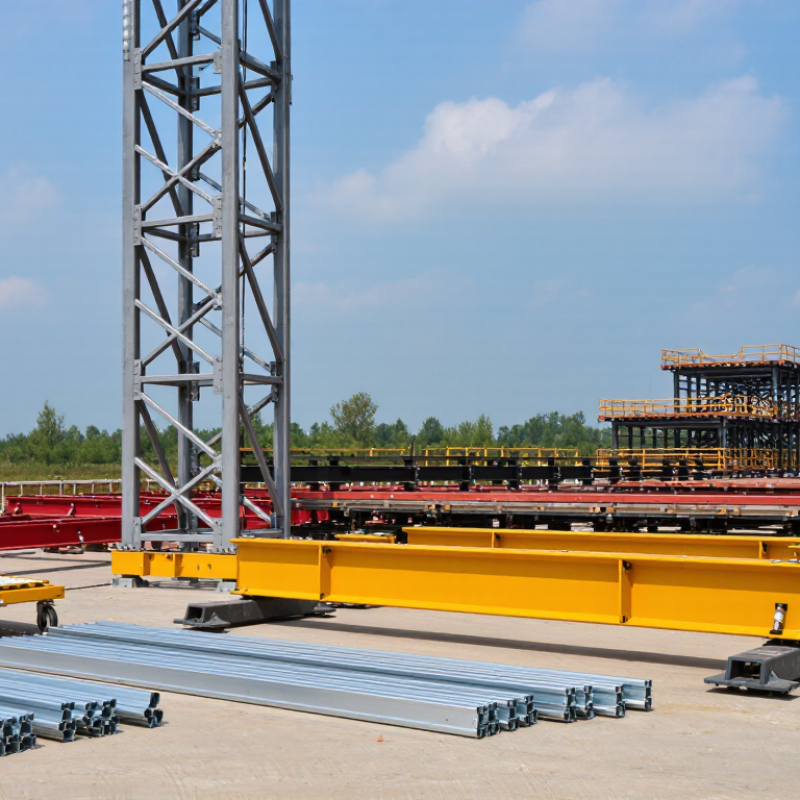
Ringlock scaffolding is a modular access system for construction, maintenance, and industrial work. It uses vertical standards with welded rosettes at regular intervals. Horizontal ledgers connect to these rosettes through wedge-locking heads. Diagonal braces improve stability and reduce movement during use. The result is a rigid, adjustable framework that can fit straight walls, towers, platforms, and irregular work areas.
Its core components include standards, ledgers, braces, base jacks, base collars, steel planks, stair units, guardrails, and toe boards. Base jacks help level the structure on uneven ground. Standards transfer loads downward, while ledgers support working platforms and define each bay. A typical rosette offers several connection directions, allowing flexible layouts around columns or tight corners. From field experience, accurate bay spacing matters more than many buyers expect. A small alignment error can spread upward through several levels.
Tips: Check every wedge connection with a visual and physical inspection. Keep base plates stable and use suitable ground support. Confirm plank seating, guardrail height, brace placement, and access routes before use. Do not mix components without verifying dimensions and compatibility. This is easy to overlook. Site conditions can also change after rain, excavation, or material storage. A qualified supervisor should reassess the scaffold when those conditions shift. Even a well-designed system needs careful assembly, inspection, and disciplined daily use.
Ringlock scaffolding is commonly selected by load demand, working height, and site movement. Standard ringlock systems use vertical standards, horizontal ledgers, diagonal braces, base jacks, and steel decks. They suit building facades, maintenance work, and general construction. The rosette connection allows several ledger angles, helping crews build around corners and uneven layouts.
Heavy-duty ringlock scaffolding uses thicker standards, stronger ledgers, and closer support spacing. It carries masonry materials, concrete components, and multiple workers more safely when designed correctly. Light-duty versions reduce handling effort and transport weight. However, they are not simply cheaper substitutes for heavy systems. A lighter frame may flex under concentrated loads, especially near loading points or open edges.
Ringlock stair towers provide safer vertical access than improvised ladder arrangements. Mobile ringlock towers add casters and stabilizers for short-distance relocation, but movement requires cleared floors and controlled procedures. Loading platforms extend the system’s function by creating dedicated material transfer areas. In practice, the boundary between types is not always clean. Many projects combine them. Buyers should verify tube thickness, steel grade, platform capacity, brace spacing, and compatible components. A real site check matters more than a catalogue image. Small errors at the base can affect the entire structure. Even experienced teams sometimes underestimate wind exposure, ground settlement, or repeated assembly wear.
Choosing ringlock scaffolding for global construction projects requires more than comparing prices. Start with the building geometry, working height, bay spacing, and intended loads. A facade job may need flexible platforms, while a plant shutdown demands compact access around pipes. Confirm standards accepted by the project country and client. Ask for load tables, material grades, welding records, and inspection documents. Do not rely on a catalogue image.
Weather changes the decision. Galvanized components can support corrosion control in coastal areas, but coating quality still needs checking. On uneven ground, adjustable base jacks and properly designed sole boards improve stability. Wind exposure, soft soil, lifting methods, and emergency access must enter the design review. Use trained erectors and competent inspectors. Every ledger, rosette, brace, and platform should fit without forced modification. Small mismatches become expensive delays.
Supply planning is equally important. Compare packing dimensions, replacement-part availability, delivery time, and customs documentation. A low unit price may fail when one missing brace stops a crew. Traceable markings help inspections and future reuse. I have seen projects over-specify height but under-plan access routes; that mistake deserves more attention. No selection method is perfect. Recheck assumptions after the first site survey, especially when drawings change or local crews use unfamiliar systems.
Choose the ringlock scaffolding configuration according to the required platform load class, working height, access arrangement, and the regulations applicable to the project location.
How to read the chart: EN 12811-1 defines six scaffold platform load classes from 0.75 to 6.00 kN/m². Light-duty ringlock arrangements are generally suited to inspection and finishing work, while higher load classes require engineered layouts, suitable decking, bracing, foundations, and verified component capacity. The final selection must be checked by a qualified engineer against local regulations and site conditions.
Choosing ringlock scaffolding for global projects requires more than comparing price and pipe thickness. Buyers should request designs aligned with EN 12811-1, applicable national regulations, and project-specific engineering calculations. Local rules may differ. Confirm them before purchase.
A reliable system includes accurately formed rosettes, secure ledgers, locking pins, adjustable base jacks, and properly rated platforms. Engineers must verify working loads, wind exposure, bay dimensions, eccentric loading, and foundation capacity. Stability often depends on diagonal bracing, wall ties, and correct anchorage. Small errors matter.
Inspect every shipment before erection. Check steel grade certificates, weld quality, dimensional tolerances, corrosion protection, and component traceability. Galvanized surfaces should be continuous, without heavy runs, bare patches, or peeling. Labels should remain readable after handling. Good records help connect each component to its production batch.
Safety factors should come from recognized design methods, not informal estimates. A qualified person must review the completed structure, especially after relocation, severe weather, or unauthorized alteration. Field teams sometimes trust familiar layouts too much. That is a weakness. A checklist can miss soft ground, damaged pins, or missing ties.
Quality is not only a factory issue. Storage, transport, assembly training, and daily inspections affect performance. Buyers should evaluate supplier test reports, inspection procedures, and technical support before selecting a system. Even experienced crews can overlook one loose connection.
Ringlock scaffolding prices depend on steel grade, tube thickness, surface treatment, and order volume. Hot-dip galvanized systems usually cost more than painted systems, but they resist outdoor corrosion better. Heavy-duty components suit bridges, industrial plants, and high-load platforms. Standard-duty parts may reduce costs for building maintenance and general construction. Costs vary.
Ask suppliers for a detailed quotation, not only a price per set. The quote should separate standards, ledgers, base collars, adjustable jacks, stairs, packaging, and spare parts. Request steel mill certificates, dimensional tolerances, coating thickness, and recent load-test records. A practical supplier review should also check production capacity, welding controls, traceability, and replacement procedures. Factory photos help, but independent inspection is stronger evidence.
Shipping can change the final budget sharply. Compare container loading plans, wooden cases, bundles, port charges, insurance, and destination duties. Confirm the agreed Incoterm and delivery schedule in writing. A sample shipment should reveal whether braces arrive bent or fittings are poorly protected. Our first estimate may look accurate, yet small packing changes can waste container space. That lesson deserves attention. Before payment, compare a pre-shipment inspection report with the approved sample. Reliable suppliers explain delays clearly, provide consistent documents, and accept reasonable quality checks without pressure. A regional warehouse may shorten delivery, but its stock age and storage conditions still require verification.
Common types include standard-duty, heavy-duty, light-duty, stair towers, mobile towers, and loading platforms. Each serves a different site need.
Choose heavy-duty systems for masonry materials, concrete components, or several workers on one platform. Thicker tubes and closer supports improve load resistance.A concentrated load can still create danger.
No. Light-duty frames reduce transport and handling effort, but they may flex under concentrated loads or near open edges.The cheaper option may fail the task.
Stair towers provide a dedicated route for vertical movement. They are more stable and practical when workers carry tools or materials.Ladders remain a poor shortcut.
They may be relocated short distances using casters and stabilizers. Clear the floor, control movement, and follow approved procedures.Never move an unstable tower casually.
Check tube thickness, steel grade, platform capacity, brace spacing, rosette accuracy, and component compatibility. Confirm the design suits the actual site.A catalogue picture is not enough.
Review working loads, wind exposure, bay dimensions, foundation capacity, anchorage, wall ties, and diagonal bracing. Inspect pins, jacks, decks, and welds.Soft ground can change everything.
Check certificates, dimensional tolerances, corrosion protection, weld quality, readable labels, and batch traceability. Look for bent braces, peeling coatings, and bare patches.Small defects deserve attention.
Request separate prices for standards, ledgers, collars, jacks, stairs, packaging, spare parts, shipping, insurance, and destination charges.The set price can hide costs.
Review production capacity, welding controls, inspection reports, replacement procedures, coating records, and technical support. Independent inspection provides stronger evidence than factory photos.Our first estimate may be wrong.
This guide explains how Ringlock Scaffolding is designed, assembled, and used in modern construction projects. It introduces the main structural components, including standards, ledgers, braces, base jacks, platforms, and connecting rosettes, while comparing common system types according to load capacity, height, mobility, working environment, and installation needs. Readers will learn how different configurations support building construction, industrial maintenance, infrastructure work, and temporary access applications.
The article also provides practical advice for global buyers selecting Ringlock Scaffolding. It highlights the importance of applicable international standards, safe load calculations, corrosion protection, welding quality, dimensional accuracy, inspection records, and worker safety. In addition, it discusses key purchasing considerations such as material specifications, total pricing, packing, shipping arrangements, customs documentation, production capacity, communication, and supplier reliability. This overview helps buyers balance performance, compliance, transportation efficiency, and long-term project value when sourcing scaffolding for international construction work.
AJ Metal