When it comes to construction safety, the importance of Scaffolding Clamps cannot be overstated. These essential tools provide stability and support for scaffold structures. Choosing the right clamps is crucial for global buyers seeking reliability. The market offers various options, yet not all are created equal.
Scaffolding Clamps vary in materials, designs, and applications. Professional expertise is vital when evaluating products. Buyers must discern between high-quality clamps and subpar alternatives. Poor choices can lead to safety hazards, affecting both workers and projects.
Each buyer's needs are unique. Understanding the specifications of Scaffolding Clamps is a step towards ensuring a successful purchase. Buyers should always prioritize safety and quality over price. Investing in trusted products can prevent future issues and maintain job site integrity.
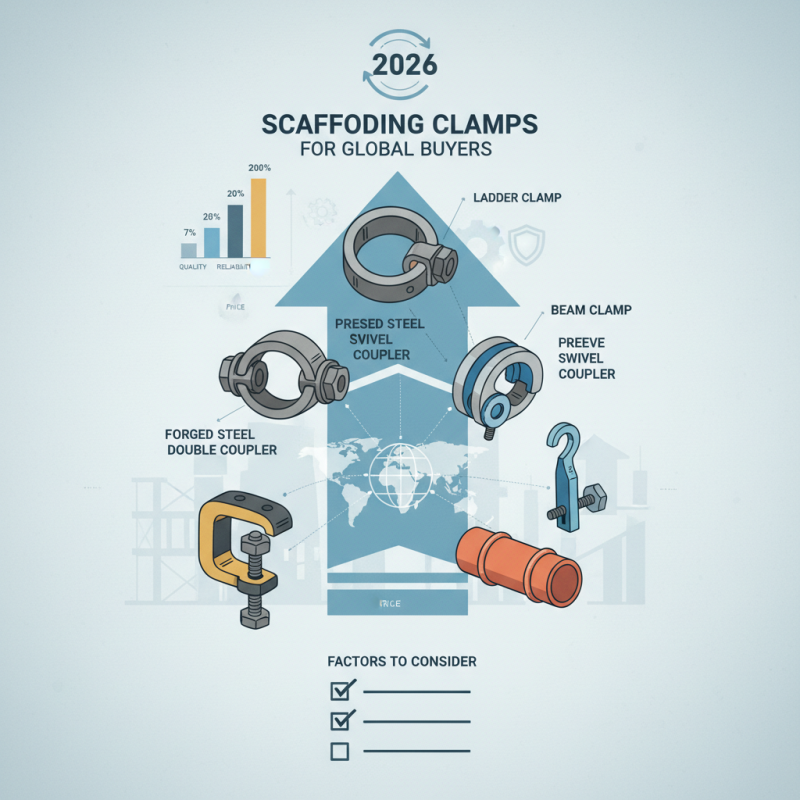
Scaffolding clamps play a crucial role in construction safety. They secure scaffolding components together, ensuring stability during projects. Using high-quality clamps reduces the risk of accidents, protecting workers and materials. Proper installation is essential for achieving maximum safety standards. If clamps are not correctly installed, it can lead to structural failures.
When selecting scaffolding clamps, consider the materials used. Durable metal options resist corrosion and wear, enhancing long-term safety. Inspect clamps regularly for signs of damage. Even minor wear can compromise their effectiveness. Remember, a stable construction site is vital for overall project success.
Tips for safe usage include following all safety guidelines during installation. Always wear appropriate personal protective equipment. Engage trained professionals for complex scaffolding setups. Remember, safety should always be the priority in construction. Maintain a culture of safety awareness on-site to foster teamwork and achieve the best results.
When selecting high-quality scaffolding clamps, several key features stand out. One primary aspect is the material used. Steel clamps are highly durable. They withstand heavy loads and extreme weather conditions. However, not all steel is equal. Look for clamps made from galvanized or stainless steel to ensure longevity and corrosion resistance.
Another important feature is the design of the clamp itself. A good clamp should provide a secure grip. Check for rubber padding that prevents slippage. It’s also essential to consider the ease of installation. Clamps should be user-friendly, allowing quick assembly and disassembly. This efficiency can save valuable time on job sites.
Finally, do not overlook the weight capacity specifications. High-quality clamps should be rated for specific load limits. Always refer to manufacturer guidelines for safety. Many clamps fail under pressure due to inadequate testing. By focusing on these features, buyers can make informed choices for safe and reliable scaffolding. Remember, overlooking small details can lead to significant issues later on.
| Type | Material | Load Capacity | Weight | Corrosion Resistance | Price Range |
|---|---|---|---|---|---|
| Coupler | Steel | 2000 lbs | 1.5 lbs | Yes | $5 - $10 |
| Swivel Clamp | Aluminum | 1500 lbs | 1 lb | Yes | $6 - $12 |
| Right Angle Clamp | Mild Steel | 2500 lbs | 2 lbs | Yes | $8 - $15 |
| Decking Clamp | Stainless Steel | 3000 lbs | 2.5 lbs | Yes | $10 - $20 |
| Jumbo Clamp | Cast Iron | 4000 lbs | 3 lbs | Yes | $15 - $30 |
When choosing scaffolding clamps, the material plays a crucial role in performance and durability. Common materials include steel, aluminum, and plastic.
Steel clamps are known for their strength. These are perfect for heavy-duty applications. However, they can be prone to rust, which may require regular maintenance.
Aluminum clamps offer a lighter alternative. They resist corrosion, making them great for varied weather conditions. However, their flexibility might raise concerns about stability. Users often report that aluminum can bend under excessive load.
On the other hand, plastic clamps are lightweight and easy to handle. They work well for lightweight scaffolding setups. Yet, they may lack the strength necessary for larger projects.
In considering these materials, remember that scalability matters. Some projects need robust clamps, while others can accommodate lighter options. Balancing weight and strength is challenging. It's essential to assess your specific needs.
Selecting the right material affects performance and safety. Always consider the context of your project to make an informed choice.
As the scaffolding industry evolves, two key trends are emerging for 2026. First,
sustainability is shaping product innovation.
Manufacturers are exploring eco-friendly materials. This shift prioritizes not just efficiency,
but also environmental impact.
Another trend is the integration of technology.
The rise of smart scaffolding systems enhances safety and efficiency. These systems provide real-time data,
which improves site management. However, companies need to balance technology adoption with worker training.
Tips for Buyers:
The market for scaffolding clamps is diverse and highly competitive. Various manufacturers have emerged as global leaders. Each offers unique advantages in terms of design and materials. Quality and safety remain paramount when choosing scaffolding products. Buyers should consider the certifications that indicate a product's reliability.
Statistical data shows a growing demand for scaffolding clamps. Industry reports suggest an increasing interest in modular designs. These designs can improve efficiency on construction sites. However, not every company meets the rigorous standards required. Some manufacturers might compromise quality for cost savings. This is an area where buyers need to conduct thorough research.
The distribution of scaffolding clamps is also noteworthy. Some regions exhibit higher sales figures due to construction booms. Emergent markets are evolving, but they may lack quality controls. Buyers must remain vigilant and seek reputable sources. A well-informed decision can significantly impact the overall safety and performance of construction projects.
: High-quality clamps should be made from galvanized or stainless steel for durability and corrosion resistance.
A good clamp provides a secure grip. Rubber padding can help prevent slippage during use.
User-friendly clamps allow quick assembly and disassembly, saving time on job sites.
High-quality clamps should have specific load limits. Always reference manufacturer guidelines for safety.
Sustainability and technology integration are key trends shaping product innovation in the industry.
Eco-friendly clamps can reduce costs over time and promote environmental responsibility.
Real-time data enhances safety and improves site management, but proper training is essential for workers.
Durable clamps reduce the need for frequent replacements, offering long-term savings and reliability.
Companies need to balance technology with effective worker training to maximize safety and efficiency.
Failing to consider small details can lead to significant safety issues later on.
Scaffolding clamps play a crucial role in enhancing construction safety standards, serving as key components that secure scaffolding systems. When selecting high-quality scaffolding clamps, buyers should focus on important features such as durability, load capacity, and ease of installation. The materials used in these clamps can greatly influence their performance, with various types offering distinct benefits and durability levels.
As we approach 2026, industry trends are driving innovations in scaffolding clamp design, emphasizing safety, efficiency, and sustainability. A statistical overview of the global market reveals key players who are leading the way in developing advanced scaffolding clamp technologies. Understanding these elements will help global buyers make informed decisions when investing in scaffolding clamps for their construction projects.
AJ Metal