What Are the Best China Scaffolding and Planks Suppliers?

Time:2026-10-11 Author:Henry
0%

Choosing among China’s scaffolding and planks suppliers requires more than comparing catalog prices. The right partner should demonstrate stable production, tested materials, and clear quality controls. This is especially important when steel frames, aluminum components, or timber planks will support workers at height.

Scaffolding And Planks must perform under pressure, weather, repeated assembly, and demanding site conditions. Experienced buyers usually inspect welding consistency, tube thickness, plank surfaces, load ratings, and corrosion protection. Factory audits can reveal details that product photographs hide. Uneven weld beads. Poor edge finishing. Missing traceability records.

According to scaffolding safety specialist John W. Hinchcliff, “A safe scaffold begins with careful planning, not hurried installation.” This principle also applies to supplier selection. A dependable manufacturer should provide material certificates, inspection reports, production samples, and practical packaging information. Ask how products are tested before shipment. Ask what happens when a batch fails inspection.

The best China suppliers are not always the cheapest. Some offer strong engineering support, flexible customization, and reliable export experience. Others may present attractive prices while overlooking documentation or after-sales communication. That difference matters.

Buyers should compare factory capability, compliance evidence, delivery consistency, and communication quality. Site experience helps here. A plank that looks sound in a warehouse may warp after moisture exposure. A frame that fits one project may fail another project’s configuration.

This guide examines leading suppliers through practical criteria. It also recognizes an uncomfortable point: no supplier is perfect. Careful verification remains necessary. Reliable decisions come from evidence, not confident promises.
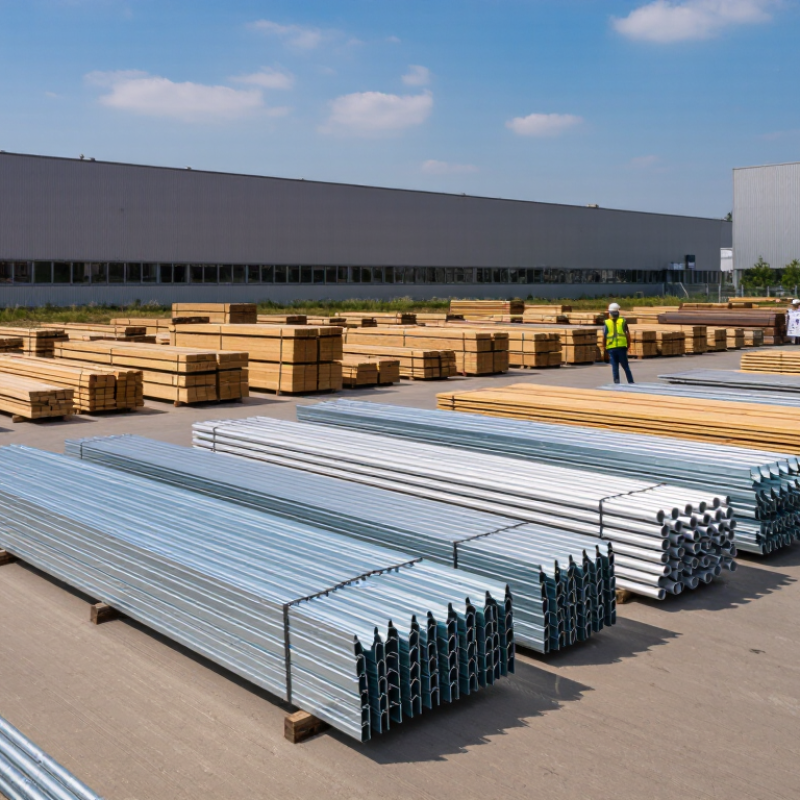
What Are the Best China Scaffolding and Planks Suppliers?

What Defines a Reliable China Scaffolding and Planks Supplier?

A reliable China scaffolding and planks supplier proves capability through consistent details, not attractive photographs. Ask for factory information, production experience, material certificates, and recent inspection records. Check whether steel grades, tube sizes, plank thickness, and surface treatments match the quotation. A dependable supplier should explain load ratings clearly and provide test evidence from recognized laboratories. Vague answers deserve caution.

Tips: Request samples before placing a large order. Measure plank dimensions, inspect welds, and check surface defects under bright light. Ask for packing photos showing corner protection and moisture control. Confirm production dates, batch markings, and replacement procedures in writing.

Communication also reveals professionalism. Reliable suppliers respond with drawings, tolerances, packing lists, and realistic lead times. They should discuss site conditions instead of promising that one design fits every project. Factory audits can verify cutting, welding, galvanizing, storage, and final inspection. A short video call is useful, but it cannot replace physical verification. A polished website is not proof. I have seen procurement teams focus on price and overlook plank warping, missing labels, or weak packaging. That mistake becomes expensive after delivery. Good suppliers accept technical questions, admit limitations, and correct documented defects. Their quality system may not be perfect, either. What matters is traceability, honest communication, and measurable improvement.

What Defines a Reliable China Scaffolding and Planks Supplier?

A reliable supplier should clearly specify the certified load capacity of its scaffolding systems and planks, provide test documentation, and match products to the required application. The chart shows the six uniformly distributed load classes defined in EN 12811-1, from 0.75 to 6.00 kN/m². These standardized performance levels are useful reference points when evaluating product specifications, quality control, and technical documentation.

Reference: EN 12811-1, Temporary works equipment — Part 1: Scaffolds — Performance requirements and general design.

Which Scaffolding Systems and Plank Materials Do Chinese Suppliers Offer?

Chinese scaffolding suppliers commonly offer frame, ringlock, cuplock, and tube-and-clamp systems. Each system suits different construction conditions. Frame scaffolding works well for repetitive wall and façade projects. Ringlock systems provide faster assembly and flexible access around complex structures. Cuplock designs are useful when stable support and repeated connections matter.

Planks usually include galvanized steel, aluminum, pressed metal, timber, and plywood options. Steel planks handle heavy daily use and resist moisture when properly treated. Aluminum planks are lighter, which can reduce lifting effort on busy sites. Timber and plywood planks may feel familiar, but their strength can change with water exposure and damage. Suppliers should provide load data, dimensions, surface treatment details, and inspection records. A low quotation is not always a saving. Missing test evidence can create costly delays later.

Tips: Ask for sample planks and connection parts before placing a large order. Check weld quality, locking pins, slip resistance, and edge protection. Confirm whether the supplier supports custom lengths or compatible accessories. Independent inspection is wise, especially for large projects. My own procurement view is cautious: product photos look convincing, but actual fit and finish sometimes differ. Request a small trial shipment. Then review assembly time, alignment, and plank deflection with experienced site workers.

How Do Chinese Suppliers Meet Quality and Safety Standards?

Reliable China scaffolding and planks suppliers treat safety as a production system, not a certificate on a wall. They select steel or aluminum with traceable mill records and check thickness before fabrication. Welders follow documented procedures, while inspectors examine joints, pins, frames, and plank surfaces. Anti-slip patterns matter. So does edge protection.

Experienced suppliers test finished components under controlled loads and record deflection, permanent deformation, and failure points. For projects using European systems, buyers may request alignment with EN 12810 and EN 12811. Other markets may require different rules. The supplier must confirm the destination standard, not assume one certificate fits every country. That assumption causes trouble.

Factory audits can reveal practical weaknesses. Look for calibrated testing equipment, batch numbers, coating checks, and clear rejection procedures. Third-party inspections add useful independence, especially before shipment. Packaging also affects safety; bent frames or damaged plank edges can arrive after a perfect factory test. I have found that photos help, but they never replace physical checks. Certificates can be genuine and still incomplete. Ask for test reports, material records, welding qualifications, and installation guidance. A strong supplier also explains load limits honestly, including situations where extra bracing or an engineered design is necessary. No supplier should promise universal compliance. The buyer must review local regulations, site conditions, and the competence of the installation team.

How Can Buyers Compare Prices, Capacity, Customization, and Delivery?

When comparing China scaffolding and plank suppliers, buyers should measure landed cost, not only the quoted unit price. Grand View Research reports that the global scaffolding market may grow at about 5.9% annually through 2030. That growth increases supplier choices, but it also makes weak comparisons easier.

Ask for material grade, wall thickness, weight tolerance, packaging cost, inland freight, insurance, and customs charges. A plank priced 8% lower may become more expensive after replacement losses or port delays. Request recent invoices or independent inspection records where possible. A polished factory video is not proof.

Capacity needs practical evidence. Compare monthly output, available stock, mold ownership, workforce, and production lead time. Ask whether the supplier can repeat a 5,000-piece order without changing steel thickness.

For customization, confirm drawings, hole spacing, surface treatment, allowable tolerance, sample approval, and tooling fees. EN 12811-based testing can help assess working platforms, while local regulations may require additional documentation.

Reports from the International Organization for Standardization emphasize consistent testing and traceability in safety-related products. Delivery should include production milestones, container loading photos, moisture protection, and a written claim process. Incoterms matter greatly.

My checklist is not perfect. Small suppliers may offer strong workmanship but limited capacity. Large factories may deliver volume but miss custom details. Buyers should score each supplier against price, verified quality, capacity, customization control, and delivery reliability. Five recent customer references are more useful than vague promises.

What Should Buyers Check Before Selecting a China Supplier?

Choosing the best China scaffolding and planks supplier requires more than comparing prices. Buyers should verify the factory’s experience with the exact products required. Ask for material specifications, load ratings, welding procedures, surface treatment details, and inspection records. Do not guess.

Request recent test reports from an independent laboratory when possible. Confirm that the reports match the current factory, product dimensions, and materials. A sample order can reveal uneven welds, sharp edges, warped planks, or weak locking points. Details matter. Check whether the supplier can provide batch numbers and production photographs for traceability.

A factory audit also deserves attention. Review equipment, worker training, quality checkpoints, storage conditions, and packaging methods. Poor storage can cause corrosion before shipment. Discuss tolerances, delivery schedules, replacement procedures, and communication channels in writing. Ask how rejected items are handled. A polished website is not proof of reliable production. Some buyers focus heavily on certifications and overlook everyday consistency. That can be a costly mistake. Compare sample quality with mass-production quality, not only documents. Clear technical drawings and signed specifications reduce misunderstandings. Suppliers that answer difficult questions directly are usually easier to manage, although confidence alone should never replace verification.

What Are the Best China Scaffolding and Planks Suppliers? - What Should Buyers Check Before Selecting a China Supplier?
Evaluation Dimension Recommended Benchmark Evidence Buyers Should Request Suggested Weight Common Warning Sign
Applicable product standards Products should be designed and tested against the destination market standard, such as EN 12810/EN 12811 for access and working scaffolds or the applicable local standard. Current technical specification, standard reference, independent test report, and product drawing. 15% A generic certificate is supplied without identifying the tested product, dimensions, material, or load configuration.
Load capacity and design class For EN 12811-1 applications, working-platform load classes range from 0.75 to 6.00 kN/m². The selected class must match the intended use and design calculation. Load tables, structural calculations, test results, allowable span, and deflection limits. 15% The supplier quotes one load value without stating span, support condition, safety factor, or load class.
Steel, aluminum, or timber material Material grade, temper, thickness, coating, and moisture requirements should be clearly defined before production. Mill test certificate, material declaration, incoming inspection record, and sample-based verification plan. 12% The quotation lists only “high-quality steel” or “premium aluminum” without a grade or measurable specification.
Plank dimensions and dimensional tolerance Width, length, thickness, hole pattern, end reinforcement, and permitted tolerances must be fixed on an approved drawing. Dimensioned drawing, inspection checklist, calibrated measurement records, and pre-shipment inspection report. 10% The supplier changes dimensions or hole locations after the purchase order without written approval.
Slip resistance and surface safety Working surfaces should provide adequate slip resistance for the operating environment, including wet or dusty conditions where applicable. Surface-finish specification, slip-resistance test method, drainage details, and edge-condition photographs. 8% Sharp edges, exposed burrs, smooth untreated surfaces, or inconsistent perforation and embossing.
Welding, rivets, hooks, and end fittings Connections must be continuous or mechanically secure as specified, with no cracks, incomplete welds, loose rivets, or distorted hooks. Welding procedure, operator qualification where relevant, visual inspection records, destructive or non-destructive test results. 10% The supplier refuses process photographs, sample testing, or inspection of concealed connections.
Corrosion protection and durability Coating type, coating thickness, pretreatment, and repair method should be specified for the expected environment and service life. Coating inspection records, thickness measurements, corrosion-test reports where required, and packaging protection details. 8% Visible rust, peeling coating, unprotected cut edges, or no defined coating thickness.
Factory quality-control system A documented quality system should control incoming materials, production stages, final inspection, nonconforming products, and traceability. Quality manual, inspection and test plan, calibration list, batch records, corrective-action reports, and quality-system certificate if available. 10% Only a certificate is provided; no production records, traceability, or measurable acceptance criteria are available.
Inspection and acceptance before shipment The purchase contract should define sampling level, critical defects, dimensional limits, load testing, packaging inspection, and buyer or third-party inspection rights. Approved inspection plan, pre-shipment inspection report, sample photographs, packing list, and corrective-action procedure. 7% The supplier requires full payment before inspection or rejects an agreed independent inspection.
Packaging, logistics, and traceability Bundles should be protected against bending, impact, moisture, and coating damage, with batch or bundle identification maintained through delivery. Packaging drawing, container-loading plan, bundle labels, weight and dimension data, and transport damage procedure. 5% Unmarked bundles, mixed specifications in one package, inaccurate weights, or inadequate edge protection.
Buyer decision rule: Shortlist suppliers that meet every mandatory safety and compliance requirement first. Use the weighted score only to compare suppliers that have passed document review, sample inspection, and pre-shipment quality checks.

FAQS

Which scaffolding systems do Chinese suppliers commonly offer?

Common options include frame, ringlock, cuplock, and tube-and-clamp systems. Frame systems suit repeated wall and façade work. Ringlock systems allow quick assembly around complex structures. Cuplock systems support repeated, stable connections.

What plank materials are usually available?

Suppliers commonly offer galvanized steel, aluminum, pressed metal, timber, and plywood planks. Steel handles heavy daily use. Aluminum reduces lifting effort. Timber and plywood need careful moisture checks.

How should buyers compare plank safety?

Request load data, dimensions, surface treatment details, and inspection records. Check slip resistance and edge protection. Ask how water exposure affects timber or plywood strength. A cheap quotation may hide missing evidence.

What should a small trial shipment include?

Request sample planks, frames, locking pins, and connection parts. Inspect welds, alignment, coating, and edge finishing. Have experienced workers assemble the samples. Measure assembly time and plank deflection.

How do reliable suppliers control manufacturing quality?

They use traceable material records and check metal thickness before fabrication. Documented welding procedures help control joint quality. Inspectors examine pins, frames, plank surfaces, and locking points. Good systems record defects and rejected batches.

What testing records should buyers request?

Ask for controlled-load test reports and permanent deformation results. Request material records and welding qualifications. Confirm the stated load limits. Extra bracing may still be necessary.

Are certificates enough to confirm compliance?

No. Certificates can be genuine yet incomplete. Requirements differ between destinations and project conditions. Confirm the applicable local rules with qualified professionals. Do not assume one document covers every location.

Why are factory and pre-shipment inspections useful?

Audits can reveal weak testing equipment, poor coating control, or unclear rejection procedures. Independent inspection adds useful distance from the supplier. Packaging also matters. Bent frames can arrive after a successful factory test.

What practical details should buyers confirm before ordering?

Confirm custom lengths, compatible accessories, packaging, and installation guidance. Ask whether connection parts fit consistently. Review site conditions and installer competence. My procurement view is cautious: photos often look better than actual fit and finish.

Conclusion

Choosing the best China scaffolding and planks supplier requires more than comparing prices. A reliable supplier should provide stable production capacity, consistent material quality, clear technical documentation, and responsive communication. Buyers may find various scaffolding systems, including frame, ringlock, cuplock, and tube-and-clamp designs, along with planks made from steel, aluminum, or other durable materials. The right combination depends on project requirements, load capacity, working conditions, and installation preferences.

Quality and safety should remain the top priorities. Buyers should verify manufacturing procedures, product testing, dimensional accuracy, surface treatment, and compliance with applicable international or local standards. It is also important to compare quotations based on complete specifications, including accessories, packaging, tooling, customization, minimum order quantities, and shipping terms. Before selecting a China supplier, buyers should request samples, inspect production facilities when possible, review quality-control records, confirm delivery schedules, and clarify warranty and after-sales support. A careful evaluation helps ensure that Scaffolding And Planks are reliable, cost-effective, and suitable for long-term construction use.


Henry

Henry

Henry is a dedicated marketing professional with a profound expertise in the company's offerings. With years of experience in the industry, he possesses an impressive understanding of the market dynamics and consumer behaviors that drive success. Henry is committed to sharing his insights through......