Best Frame Scaffold Solutions for Global Buyers?

Time:2026-08-12 Author:Charlotte
0%

In the competitive world of construction, selecting the best frame scaffold solutions is crucial for global buyers. Industry expert John Smith, a renowned scaffolding engineer, emphasizes the importance of reliability and safety. He states, "A solid frame scaffold is the backbone of any construction project." This underscores the essential role that frame scaffolds play in building structures efficiently and safely.

Frame scaffolds offer versatility and support, making them the preferred choice for many construction sites. However, not all frame scaffold systems are created equal. Buyers must consider factors like durability and ease of assembly. Some solutions may promise quick setups but fail in strength, leading to potential hazards. It’s vital for buyers to research and seek reliable manufacturers.

Understanding the specific needs of a project can clarify which frame scaffold solution is best. Engaging with experienced suppliers can provide insights as well. Reflecting on past projects, buyers might realize that cutting costs on scaffold solutions often leads to greater expenses later. Investing in reliable frame scaffolds pays off in safety and efficiency.
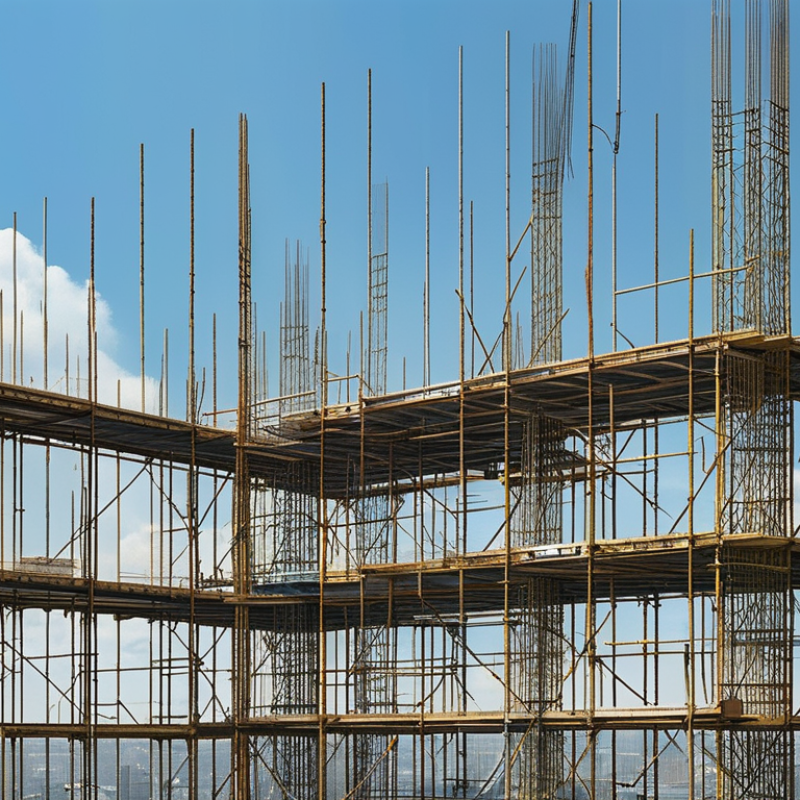
Best Frame Scaffold Solutions for Global Buyers?

Best Frame Scaffold Solutions for Global Buyers

Frame scaffolding remains a popular choice for construction projects globally, thanks to its versatility and cost-effectiveness. Recent industry reports, such as those from Research and Markets, indicate an expected growth rate of over 5% in the scaffold market through 2027. The demand comes from various sectors, including residential, commercial, and industrial construction.

When selecting frame scaffold solutions, buyers should prioritize durability and compliance with safety standards. It’s crucial to consider the local regulations that govern scaffold use. Many regions require specific certifications for scaffold materials and setups. This factor impacts the overall safety and reliability of the equipment.

Tips for selecting the right scaffold include checking the load capacity and evaluating the material quality. Steel frames often provide better longevity than aluminum alternatives. Perform regular inspections and maintenance to ensure safety. Users should document their inspections to remain compliant with safety standards.

Investing in a reliable frame scaffold can significantly reduce project delays due to safety incidents. Balancing cost with quality remains a challenge, as cheaper materials may lead to longer-term costs related to safety failures. Always research and compare options thoroughly before making a decision.

Understanding the Global Scaffold Market: Trends and Data

The global scaffold market is evolving rapidly, driven by various factors. Increased construction activities worldwide contribute significantly. Also, the demand for safer and more efficient scaffolding solutions is rising. Buyers are seeking frameworks that provide stability without compromising safety standards.

Innovative materials are increasingly utilized in scaffold design. Lightweight yet durable options are gaining traction. This shift helps reduce transportation costs and overall project expenses. Notably, the integration of technology in scaffolding solutions enhances usability and monitoring. Scaffolding platforms now come with built-in safety features that improve worker protection.

However, challenges persist in the market. Variability in regulations across regions can create confusion for global buyers. Additionally, the sourcing of sustainable materials remains a concern. Companies are encouraged to reflect on their approaches to sustainability. By addressing these issues, the scaffold industry can better serve its diverse clientele and adapt to changing demands.

Key Features of High-Quality Frame Scaffolding Systems

When selecting frame scaffolding systems, key features stand out. Quality materials are crucial. Durable steel or aluminum frames provide strength and longevity. These materials resist corrosion and wear. A well-constructed frame ensures safety for workers at height.

Another important aspect is the design of the scaffolding. Look for systems with adjustable height options. This flexibility allows for use in various construction environments. An effective frame should also have an easy assembly process. Complicated setups can lead to delays and increased labor costs.

Safety features cannot be overlooked. Scaffolding should include guardrails and toe boards to protect personnel. Additionally, a stable base is necessary to prevent tipping. Regular inspections are essential; neglecting this can lead to accidents. While high-quality scaffolding systems are available, it's vital to continually evaluate their performance on-site.

Comparative Analysis: Steel vs. Aluminum Frame Scaffolding

When considering frame scaffolding solutions, the choice between steel and aluminum is crucial. Steel scaffolding is known for its exceptional strength and durability. It can withstand heavy loads, making it ideal for construction projects that require significant support. However, this heavy-duty material comes with a downside. Steel is more prone to rust, particularly in humid environments, necessitating regular maintenance to ensure longevity.

On the other hand, aluminum scaffolding offers a lighter and rust-resistant alternative. It’s easier to handle and set up, which can accelerate project timelines. The portability of aluminum scaffolding appeals to many site managers. However, it may not support as much weight as steel scaffolding. Evaluating project requirements is vital before making a selection.

Both materials have clear strengths and weaknesses. Attention to safety standards is imperative during installation and use. Users should always assess their specific needs before choosing a material. Understanding the advantages and limitations of each option will lead to better decision-making. There's no one-size-fits-all solution in scaffolding systems. Each project demands a tailored approach.

Safety Standards and Regulations for Scaffold Use Worldwide

In the scaffold industry, safety standards are crucial. Different countries maintain unique regulations governing scaffold design and use. These standards ensure worker welfare and structural integrity during construction activities. Organizations like OSHA in the U.S. set stringent rules to minimize accidents on job sites. Reports indicate that approximately 65% of construction site fall accidents are linked to improper scaffold usage.

Global buyers should consider these safety statutes when selecting frame scaffold solutions. Europe adheres to EN 12810 and EN 12811 standards. These provide guidelines on load capacity and structural stability. Compliance is not just about legal adherence; it reflects a commitment to safety.

There's room for improvement in applying these regulations universally. Many emerging markets still lack strict enforcement. This oversight can lead to hazardous work environments. Knowledge-sharing among countries can foster better compliance, enhancing safety for all workers involved. Regular audits and updated training programs are vital in achieving this. Reducing scaffolding errors hinges on collective awareness and adherence to best practices across the globe.

Global Scaffold Safety Standards by Region

This bar chart illustrates the compliance rates of scaffold safety standards across different regions. North America demonstrates the highest level of compliance, while Africa shows the lowest.

Cost-Benefit Analysis of Investing in Frame Scaffolding Solutions

When considering frame scaffolding solutions, a cost-benefit analysis reveals critical insights. Investing in quality frame scaffolding improves safety and efficiency on job sites. It minimizes accident risks, which can otherwise lead to costly project delays and liabilities. Premium materials may involve higher upfront costs but can significantly reduce long-term expenses.

The installation process can present challenges. Proper training and setup are essential to maximize the benefits of frame scaffolding. Underestimating this can lead to improper use, reducing safety and increasing the chance of accidents. Buyers must weigh these factors carefully. While cheap alternatives seem appealing, they may compromise worker safety.

Evaluating market trends also plays a vital role. Demand for sustainable, durable solutions is growing. Buyers should consider suppliers with a proven track record. This enhances reliability and ensures the scaffolding meets industry standards. Making informed choices leads to better outcomes in project delivery and overall financial health.

FAQS

: What is frame scaffolding commonly used for?

: Frame scaffolding is widely used in construction projects, including residential, commercial, and industrial sectors.

How important is safety compliance when choosing scaffolding?

Safety compliance is crucial. Local regulations dictate scaffold materials and setups to ensure worker safety.

What factors should buyers consider when selecting a scaffold?

Buyers should check load capacity, material quality, and ensure proper maintenance and inspections are performed regularly.

Are there benefits to using steel frames over aluminum frames?

Yes, steel frames often offer better longevity than aluminum, making them a more durable choice for scaffolding.

What challenges do global buyers face in the scaffold market?

Global buyers may struggle with varying regulations and sourcing sustainable materials, creating confusion and complexity.

How can technology improve scaffolding solutions?

Technology enhances scaffolding by integrating safety features and improving usability for better worker protection.

Why is documenting inspections important?

Documenting inspections helps maintain safety compliance and provides a record of maintenance for future reference.

What percentage of construction site fall accidents are related to scaffolding?

Reports suggest around 65% of falls on construction sites involve improper scaffold use, highlighting safety issues.

How can emerging markets improve scaffold safety?

Emerging markets can enhance safety by strictly enforcing regulations and sharing knowledge about best practices.

What role do training programs play in scaffolding safety?

Regular training programs are vital for reducing errors and ensuring workers are aware of safety practices and regulations.

Conclusion

The article "Best Frame Scaffold Solutions for Global Buyers" provides a comprehensive overview of the frame scaffold market, highlighting key trends and data that inform global procurement decisions. It emphasizes the importance of high-quality frame scaffolding systems, discussing their essential features and benefits. A comparative analysis of steel versus aluminum frame scaffolding is presented, shedding light on the strengths and weaknesses of each material in different applications.

Safety standards and regulations across various countries are examined, underscoring the paramount importance of adhering to these guidelines to ensure worker safety. Additionally, a cost-benefit analysis is conducted to help buyers evaluate the long-term investment in frame scaffolding solutions, ultimately guiding them toward informed purchasing decisions that enhance efficiency and safety on construction sites.


Charlotte

Charlotte

Charlotte is a seasoned marketing professional with a deep understanding of the company's portfolio and a passion for elevating its presence in the market. With a keen eye for detail and a commitment to excellence, she ensures that our professional blog is regularly updated with insightful articles......