Choosing the best Scaffolding Planks in 2026 means balancing safe support, practical handling, and the demands of the worksite. A plank that feels sturdy in a showroom may behave differently when wet, dusty, or repeatedly moved. Small details matter. Width, end fittings, surface grip, and the manufacturer’s stated load capacity can all affect platform performance. Timber remains familiar and easy to inspect, while aluminum can be lighter to carry; neither suits every job. The right choice depends on platform design, span, exposure, storage, and the equipment already on site. Check the product documentation, not just a sales headline.
This guide compares common plank types and explains what to verify before buying or replacing boards. We consider load information, dimensions, construction, durability, and everyday handling, using practical criteria rather than vague claims. A useful comparison should also distinguish a working platform from a plank that merely fits between supports. That difference can be easy to miss. Follow the manufacturer’s instructions and applicable local requirements, and remove damaged or questionable planks from service. No single product is best everywhere. Weather, crew habits, transport distance, and inspection routines can change the answer, sometimes more than the material itself. Some choices involve trade-offs, and published information may leave questions unanswered. We will point out those gaps so readers can compare options carefully and choose planks suited to their specific setup.
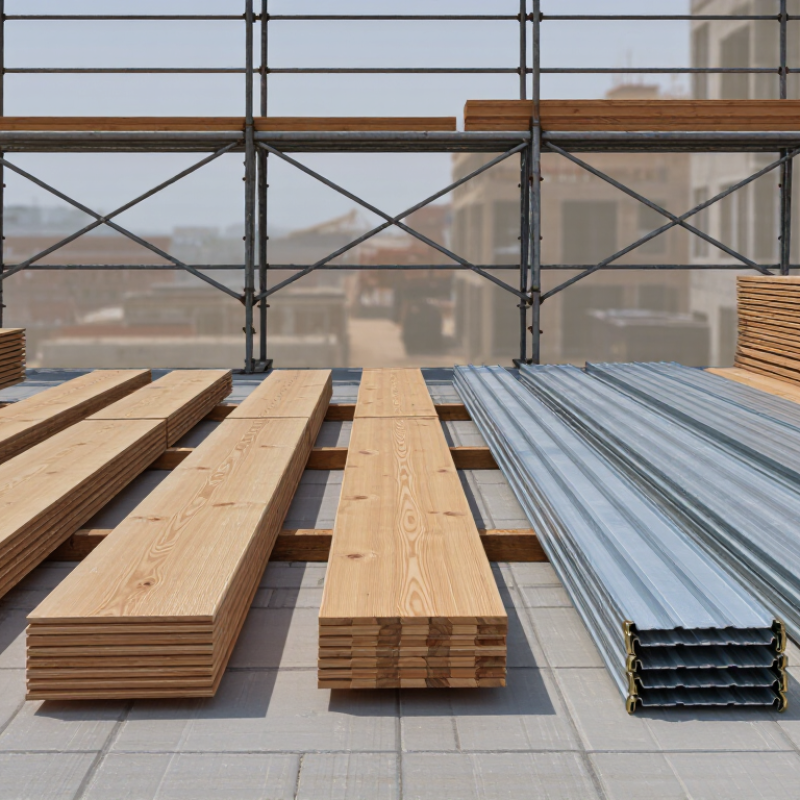
A scaffolding plank forms the working surface between scaffold supports. It gives workers a place to stand, move tools, and handle materials while elevated. It is not merely a board placed across a gap. Its material, span, support, and rated capacity all affect how it performs.
Planks may be made from timber, metal, or engineered materials. Each type has different weight, grip, and inspection needs. A rough, wet surface can become slippery, while a damaged end may not sit securely on its support. Small details matter. Check for cracks, splits, warping, corrosion, or loose fittings before use, and remove any plank whose condition is uncertain. I might be tempted to judge one by appearance alone, but a clean surface does not prove it can carry the required load.
Choose a plank intended for scaffold use, and follow its stated load rating and installation instructions. Confirm that it fits the scaffold system and is supported as specified; improvising the span can create a weak point. Account for workers, tools, and materials together, not just one person’s weight. Conditions change, too. Rain, repeated handling, and site wear can affect a plank over time. A competent person should check the setup and inspect equipment regularly, using applicable site requirements and manufacturer guidance.
| Plank type | Typical characteristics | Potential advantages | Important considerations | Often suited to |
|---|---|---|---|---|
| Scaffold-grade solid-sawn timber | A familiar wood option; strength depends on the species, grade, moisture condition, plank dimensions, and support span. | Can be cut to length and inspected visually for damage; widely understood on many construction sites. | Use scaffold-rated, properly graded material. Reject planks with splits, decay, severe damage, or unauthorized alterations. Capacity must match the applicable rating and span. | General site work where a suitable grade, inspection process, and rated span are established. |
| Engineered wood (such as scaffold-rated LVL) | Manufactured from bonded wood veneers; dimensions and performance depend on the specific product design. | Engineered construction can provide consistent properties when produced and rated for scaffold use. | Ordinary structural LVL is not automatically suitable as a scaffold plank. Follow the scaffold-plank rating, permitted span, inspection criteria, and moisture instructions. | Projects seeking engineered wood performance where the product is explicitly approved for the intended scaffold application. |
| Aluminum | A lightweight metal plank, often made with a shaped or hollow section; working capacity varies by design and span. | Usually easier to handle than steel and does not have the same rusting behavior as unprotected steel. | Check the rated load and span, end details, locking arrangements, and walking-surface condition. Aluminum conducts electricity and is not a substitute for electrical protection. | Work where lower handling weight and reusable metal decking are priorities. |
| Steel | A metal plank commonly formed with a stiffened profile and a traction-patterned surface; ratings depend on its construction and support span. | Robust construction and durable walking surfaces are available in scaffold systems designed for repeated use. | Generally heavier to handle than aluminum. Inspect for corrosion, deformation, damaged ends, and secure engagement with the scaffold supports. | Repeated-use applications where a durable, compatible metal platform is needed. |
| Fiberglass or composite | A specialized plank made from reinforced composite materials; design, load rating, and surface properties vary by product. | May be selected for particular environments or electrical-work considerations when the product is specifically designed and rated for that purpose. | Do not assume a plank is electrically safe based on appearance alone. Follow its electrical, load, inspection, storage, and damage guidance; contamination or damage can affect performance. | Specialized work where a suitable composite plank is specified and its limitations are understood. |
Selection note: There is no single best plank for every scaffold. Confirm the plank’s applicable rating, permitted span, intended loading, condition, and compatibility with the scaffold system. In the United States, OSHA generally requires scaffold platforms to be at least 18 inches wide, subject to stated exceptions; requirements differ by jurisdiction and scaffold type. Follow applicable regulations and the manufacturer’s instructions.
It forms a working surface across scaffold supports. Workers stand on it and move tools or materials.
Common options include solid timber, laminated veneer lumber, aluminum, and steel. Each has different handling and inspection needs.
Match the plank to the scaffold system, support spacing, and work conditions. Check its rated capacity and permitted span in the manufacturer’s instructions.
Count workers, tools, and materials together. One person’s weight alone is not enough.
Check for cracks, splits, warping, corrosion, dents, loose fittings, and damaged ends. Remove any plank whose condition is uncertain.
No. Hidden damage may not show on the surface, so appearance alone is a poor check.
Yes. Water or mud can make even a textured surface slippery. Recheck the plank after weather exposure.
Inspect them before use and regularly afterward. Recheck after rough handling, and keep records to help spot recurring wear. Small details matter.
Choosing the best Scaffolding Planks in 2026 means matching their construction and capacity to the work being performed. Planks may be made from timber, metal, or engineered materials, and each option can differ in weight, durability, grip, and resistance to weather. Consider the expected load, span, frequency of use, and site conditions before selecting a plank. A suitable choice should provide a stable working surface while remaining compatible with the scaffold system.
Safety depends on more than material alone. Check that planks are appropriate for their intended use and meet relevant safety requirements. Before each use, inspect for cracks, bending, corrosion, loose components, or other damage, and remove questionable planks from service. Keep them clean, store them properly, and follow the manufacturer’s care guidance. Regular inspection and maintenance help preserve performance and reduce the risk of accidents.

 AJ Metal