Choosing a China Best Quick Stage Scaffold Supplier requires more than comparing catalog prices. It requires practical judgment. A reliable supplier should demonstrate stable production, clear drawings, verified materials, and consistent quality control. These details matter when platforms support performers, technicians, lighting equipment, and moving loads.
Industry consultant Michael R. Kelsey says, “A dependable stage scaffold begins with predictable behavior, not attractive pricing.” This principle deserves attention. Buyers should request load calculations, tube specifications, surface treatment details, inspection records, and installation guidance. Ask how welds are checked. Ask how damaged components are replaced. Ask whether custom dimensions can be produced without weakening the structure.
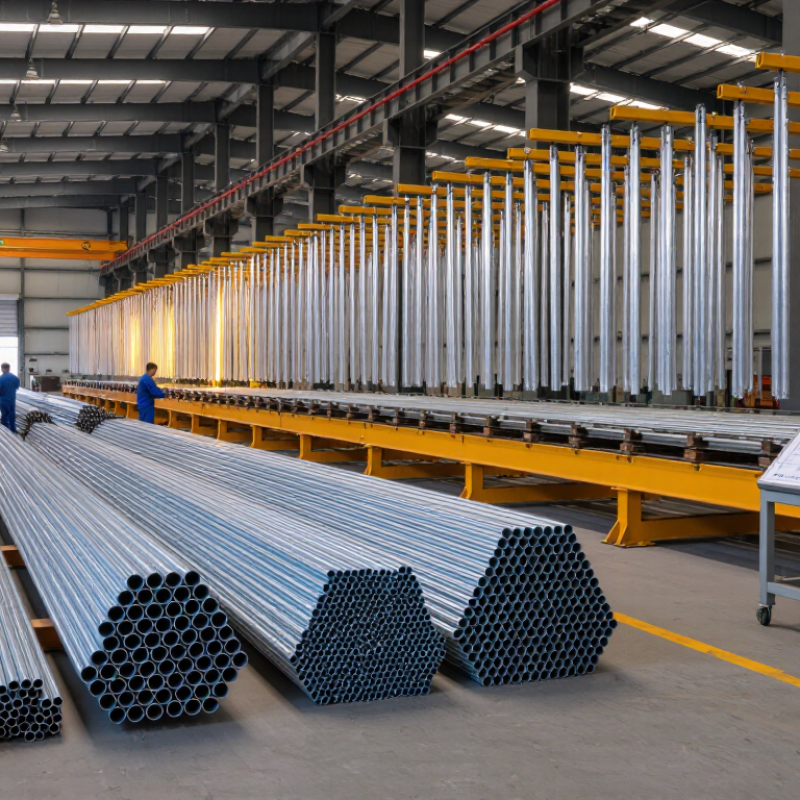
Look closely at the factory process. You may see steel tubes stacked by diameter, welded frames moving through inspection stations, and galvanized parts drying before packaging. Those details reveal experience. They do not prove everything. That is the uncomfortable part.
A strong China Best Quick Stage Scaffold Supplier should also communicate clearly about applicable regional standards, engineering review, delivery protection, and after-sales support. Product photos are useful, but they are not evidence of structural performance. Samples, test reports, and independent verification provide stronger confidence.
This guide examines supplier capability, product design, safety documentation, customization, pricing, and logistics. It also considers common purchasing mistakes. A low quotation can hide missing accessories, weak packaging, or unclear responsibility during installation. Quick Stage Scaffold systems must fit the actual venue, working height, access route, and operating conditions. Careful evaluation may take longer. It usually costs less than correcting a poor decision later.
China Best Quick Stage Scaffold Supplier Guide?
Quick stage scaffolding uses modular frames, decks, braces, guardrails, adjustable feet, and locking pins. These parts must connect securely and remain stable during assembly. The common load classes range from 0.75 to 6.0 kN/m². They indicate planned working loads, not unlimited capacity. A supplier should provide clear load tables, span limits, deflection data, and installation drawings.
Ask for material certificates, weld inspection records, dimensional checks, and traceable batch numbers. Steel grade alone is not enough. Deck type, support spacing, brace arrangement, and uneven ground can change performance. A reliable factory should explain how each component affects the complete system. Request sample parts before placing a large order. Check pin fit, frame squareness, coating thickness, and deck movement by hand.
Site experience often reveals small problems. A heavy deck may meet its rating but slow every setup. A lightweight frame may be convenient but need closer support spacing. These trade-offs deserve honest discussion. A catalogue can look convincing, yet it may hide project-specific limits. I would also question any supplier promising one load rating for every layout. That answer is too simple. Have a qualified engineer review the final arrangement, especially near crowds, stairs, stage edges, or changing weather.
| Category | Typical Option | Primary Function | Typical Material or Specification | Key Selection Check |
|---|---|---|---|---|
| Scaffold system | Frame system | Provides quick assembly through prefabricated frames and cross braces. | Welded steel frames with compatible braces, platforms, and guardrails. | Confirm frame dimensions, locking details, stability method, and permitted working height. |
| Scaffold system | Modular rosette system | Allows flexible bay layouts, multiple access arrangements, and adjustable working levels. | Standards with rosettes, ledgers, transoms, braces, decks, and adjustable bases. | Check connection tolerances, ledger engagement, base support, and design calculations. |
| Vertical support | Standards or frames | Transfers vertical loads from platforms and horizontal members to the base. | Structural steel tubes or formed frame sections with verified wall thickness and weld quality. | Verify straightness, corrosion condition, spigot or connector fit, and allowable load. |
| Horizontal support | Ledgers and transoms | Maintain bay geometry and support decking, guardrails, and access components. | Steel tubes or modular members with positive mechanical connections. | Match member length to the bay layout and confirm complete connection engagement. |
| Platform | Steel, aluminium, or timber deck | Creates the working surface and distributes imposed loads to transoms. | Decks should have secure hooks, anti-slip surfaces, and suitable span capacity. | Check clear span, rated load, deck locking, deflection, damage, and openings. |
| Stability | Diagonal braces and ties | Resist racking and wind effects and maintain the intended scaffold geometry. | Steel diagonal braces, façade ties, anchors, and stabilizers as required by design. | Never omit braces or ties without an approved structural assessment. |
| Base support | Base plates and adjustable base jacks | Distribute reactions and provide limited height adjustment for level installation. | Steel base plates, screw jacks, sole boards, and load-bearing ground support. | Assess ground bearing capacity, jack extension, base contact, and settlement risk. |
| Edge protection | Guardrails, midrails, and toe boards | Reduces fall and falling-object risks at exposed platform edges. | Compatible steel or aluminium rails and toe boards installed on all exposed sides. | Follow local work-at-height rules, platform configuration, and access requirements. |
| Access | Stair towers, internal ladders, or trapdoor platforms | Provides controlled access between working levels. | Purpose-designed access units with handrails, landings, and secured openings. | Select access according to traffic frequency, height, emergency egress, and regulations. |
| Load Class | Uniformly Distributed Load | Typical Intended Use | Planning Note |
|---|---|---|---|
| Class 1 | 0.75 kN/m² | Inspection, light access, and limited work with minimal stored materials. | Not intended for substantial material storage or heavy trade activities. |
| Class 2 | 1.50 kN/m² | Light-duty maintenance, inspection, and finishing work. | Keep personnel, tools, and materials within the designed platform area. |
| Class 3 | 2.00 kN/m² | General construction, installation, and moderate-duty façade work. | A common planning level for routine work, subject to project design. |
| Class 4 | 3.00 kN/m² | Higher-duty construction and work involving heavier tools or materials. | Check local load concentration and material distribution requirements. |
| Class 5 | 4.50 kN/m² | Heavy-duty construction activities and greater material handling demands. | Requires suitable deck, transom, standard, base, and stability design. |
| Class 6 | 6.00 kN/m² | Very heavy-duty work, subject to a project-specific structural design. | Do not assume every quick-stage configuration can safely achieve this class. |
Load classes describe the intended uniformly distributed working-area load. Actual safe capacity depends on the complete scaffold configuration, bay dimensions, platform span, component condition, bracing, ties, foundation, wind exposure, and the applicable design and safety requirements.
It is a modular platform system with frames, decks, braces, guardrails, adjustable feet, and locking pins. Each connection must fit securely. Stability matters during assembly and use.
They indicate planned working loads for a specific arrangement. They do not mean unlimited capacity. Support spacing, deck type, braces, and ground conditions can change performance.
Request load tables, span limits, deflection data, and installation drawings. Also ask for material certificates, weld inspection records, dimensional checks, and traceable batch numbers. Steel grade alone is not enough.
Request sample parts before placing a large order. Check pin fit, frame squareness, coating thickness, and deck movement by hand. A loose deck deserves attention.
Review monthly output, active orders, machine availability, and finished-stock records. Inspect welding stations, trained operators, and material traceability. Can raw tubes be followed from arrival to packing?
Request reports showing span, loading method, deflection, test duration, and acceptance limits. The tested setup should match your supplied model and joint arrangement. A photograph is not enough.
Build a matrix covering price, lead time, customization, warranty, and export support. Compare landed cost, not only the unit price. Cheap is not always cheap.
Warranty terms should define coverage, response time, exclusions, and spare-part availability. Confirm customs documents and destination-country requirements. Leave room for delays. Schedules change.
A qualified engineer should review the final layout near crowds, stairs, stage edges, or changing weather. Check spans, supports, braces, guardrails, and ground conditions together. I once trusted a polished catalogue too quickly. That was a mistake.
Choosing the right Quick Stage Scaffold supplier requires more than comparing prices. Buyers should first understand the system’s main components, connection methods, platform options, and load classes ranging from 0.75 to 6.0 kN/m². Supplier evaluation should then focus on steel grades, weld consistency, dimensional accuracy, and practical tolerance checks, including verification near ±1 mm where required. These factors directly affect stability, assembly efficiency, and service life.
A reliable selection process also includes reviewing compliance with EN 12811-1, OSHA 1926.451, and applicable GB/T standards, while confirming factory capacity, production controls, load-testing procedures, and quality certifications. A clear supplier matrix can help compare total value across price, lead time, customization capability, warranty terms, packaging, and export support. Factory audits, sample inspections, and documented test results provide additional confidence before placing a large order. The best supplier is one that combines consistent manufacturing quality, transparent communication, dependable delivery, and strong technical support.

 AJ Metal