Choosing the right base plates scaffold is crucial for construction safety and stability. These components are the foundation for all scaffolding systems. A sturdy base plate ensures that the scaffold remains level and can support the necessary weight.
When selecting base plates, consider the material and design. Steel plates are common due to their durability. However, not all steel plates are equal; thickness and finish matter. A thicker plate can distribute weight more effectively, reducing the risk of failure.
Reflection on safety is essential. A poorly chosen base plate can lead to serious accidents. Understanding the load requirements is vital. Gathering insights from experienced professionals can enhance decision-making. Always prioritize quality and reliability in your selections to ensure a safe work environment.
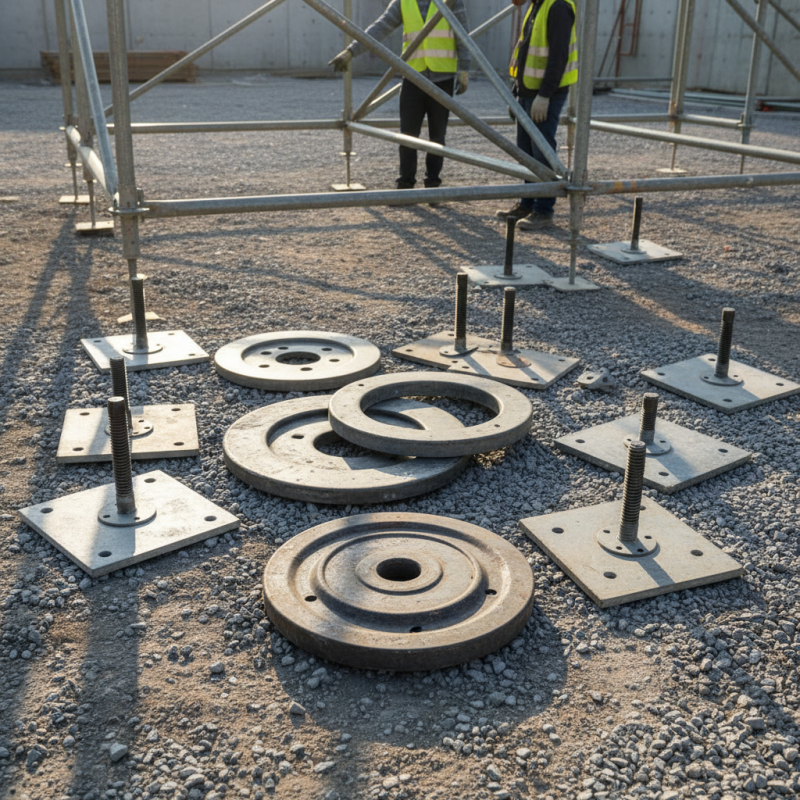
Scaffolding base plates play a crucial role in construction safety and stability. They distribute the load of the scaffolding structure, preventing sinking or tipping. According to industry reports, the right base plate can reduce accidents by up to 30%. This emphasizes their importance.
When choosing base plates, consider materials and design. Steel plates are durable but can be heavy. Aluminum offers a lighter option but may not withstand heavy loads. The standard size is often 30x30 cm, yet variations exist. Adaptability is vital; not all projects require the same specifications.
Tips for selecting base plates:
- Always inspect for defects before use.
- Opt for designs with non-slip features.
- Ensure compatibility with your scaffolding system.
Not every base plate will suit every project. Some may have uneven surfaces, leading to potential hazards. Evaluating your conditions and scaffolding needs is vital. A poorly chosen base plate can compromise safety, highlighting the need for careful consideration.
Choosing the right base plates for scaffolding is crucial for safety and stability. When considering base plates, assess the ground conditions. Soft or uneven surfaces may require larger plates for better weight distribution. Use plates made of durable materials to ensure they can withstand heavy loads.
Compatibility with scaffolding systems is another key factor. Different systems may have specific requirements for base plates. Always check the specifications to avoid any mismatches. Another aspect is the size and weight of the base plates themselves. Heavier plates can offer more stability but may complicate transport and setup.
Reflect on your specific project needs. You may find that a standard base plate does not fit all situations. Testing various options in real scenarios can help determine the most effective choice. Don’t forget to consider ease of installation as well. Complicated setups can lead to delays and safety hazards.
When selecting scaffolding base plates, it's essential to understand the various types available. Each type serves specific functions and can impact safety and stability.
Steel base plates are common and provide strength and durability. They can carry heavy loads and resist deformation. However, they may rust if not coated properly, raising concerns about maintenance. On the other hand, plastic base plates are lightweight and resistant to corrosion. They are portable and easy to handle, making them suitable for quick setups. Unfortunately, they may not bear heavy loads effectively.
Tip: Always assess the load requirements of your project before choosing base plates. This helps ensure safety while enhancing stability. Concrete or wooden base plates work well on soft ground.
Alongside material type, the size and thickness of base plates matter. Thicker plates distribute weight better, while larger plates offer greater stability. However, larger plates can be cumbersome to transport and set up. Striking a balance between functionality and ease of use is key.
Tip: Regularly inspect your base plates for wear and tear. Even minor damage can compromise structural integrity. Developing a maintenance schedule is beneficial for long-term safety.
When selecting base plates for scaffolding, material durability and load capacity are key. Durable materials resist wear and environmental factors. Steel, for example, offers high strength and can bear heavy loads. Yet, when exposed to moisture, it may corrode. Aluminum is lighter and does not rust, but it may not handle the same loads as steel under extended use.
Evaluating load capacity is essential. Each base plate must support the scaffolding's weight and any additional loads. Miscalculations can lead to failure. Testing the plates against industry standards can provide confidence in their capabilities. Visual inspections should be regular. Any signs of wear or damage require immediate attention. It’s crucial not to overlook these aspects, as they form the backbone of safe scaffolding operations.
Finding the right balance between durability and load capacity involves careful consideration. While some materials excel under specific conditions, others may fall short when faced with challenges. Evaluating specific job site requirements and environmental factors will lead to better choices. Remember, ensuring safety is paramount in scaffolding applications.
| Material Type | Durability Rating (out of 5) | Load Capacity (kg) | Corrosion Resistance | Weight (kg) |
|---|---|---|---|---|
| Steel | 5 | 2000 | High | 25 |
| Aluminum | 4 | 1500 | Moderate | 10 |
| Plastic Composite | 3 | 1000 | Very High | 5 |
| Cast Iron | 5 | 2500 | Low | 30 |
| Steel Reinforced Plastic | 4 | 1800 | High | 15 |
When selecting base plates for scaffolding, understanding safety standards is crucial. Base plates serve as the foundation for scaffolding systems. They need to distribute the load evenly, preventing accidents. Different regulations exist, often depending on the country or region. Familiarizing yourself with local codes is essential.
Base plates must meet certain guidelines. They should be made from durable materials. Regular inspections are necessary to ensure compliance with safety standards. Inspect your base plates for any signs of wear or damage. It’s easy to overlook these details, yet they can significantly impact safety.
Reflecting on past projects, many have underestimated the importance of compliant base plates. A small oversight can lead to serious consequences. Engaging with safety professionals can provide valuable insights. Their expertise can guide you in selecting the right base plates. This proactive approach promotes a safer work environment.
: Scaffolding base plates distribute the load of structures, preventing sinking or tipping.
A suitable base plate can reduce accidents by up to 30%. Safety is crucial.
Common materials include steel, aluminum, and plastic. Each has benefits and drawbacks.
Steel offers durability. However, it may rust. Plastic is lightweight but might not support heavy loads.
Evaluate material, size, load requirements, and design. Compatibility is also vital.
Standard size is often 30x30 cm, but variations exist. Adaptability is important for different projects.
Always inspect for defects and ensure they fit your scaffolding system properly.
Larger plates offer stability but can be difficult to transport and set up.
Regular inspections for wear are necessary. Minor damages can compromise structural integrity.
Yes, developing a maintenance schedule is beneficial for long-term safety and reliability.
When choosing the best base plates scaffold, it is crucial to understand their importance in maintaining the stability and safety of scaffolding structures. Base plates serve as the foundation that distributes loads evenly, contributing to overall integrity. Key factors to consider include the type of project, load requirements, and environmental conditions. It's essential to evaluate the material durability and load capacity of base plates, as these aspects directly impact safety and performance.
Moreover, different types of scaffolding base plates serve varied purposes, requiring careful selection based on specific project needs. Adhering to safety standards and regulations is vital to ensure that the chosen base plates comply with industry guidelines. By considering these elements, construction professionals can select the most suitable base plates scaffold for their projects, ultimately enhancing operational safety and efficiency.

AJ Metal