When selecting the right Metal Scaffold Boards for construction projects, safety should always be the priority. Industry expert John Hawkins, a leading authority in scaffolding safety, once said, "Choosing the right materials can make all the difference in protecting workers." This statement underlines the critical nature of understanding the various options available in the market.
Metal Scaffold Boards come in different grades and quality standards. It's essential to evaluate these factors thoroughly. One must consider load capacity, durability, and resistance to environmental factors. Ensuring that the boards meet safety regulations can reduce the risk of workplace accidents significantly. Every construction site is unique, making it vital to reflect on the specific requirements of your project.
Investing time in properly assessing Metal Scaffold Boards pays off. Configurations and choices vary, and not all boards are created equal. Some might lack the robustness needed for heavy-duty tasks. While budget constraints are real, sacrificing quality for cost can lead to serious consequences. It's worth considering the long-term impact of poor decisions on safety.
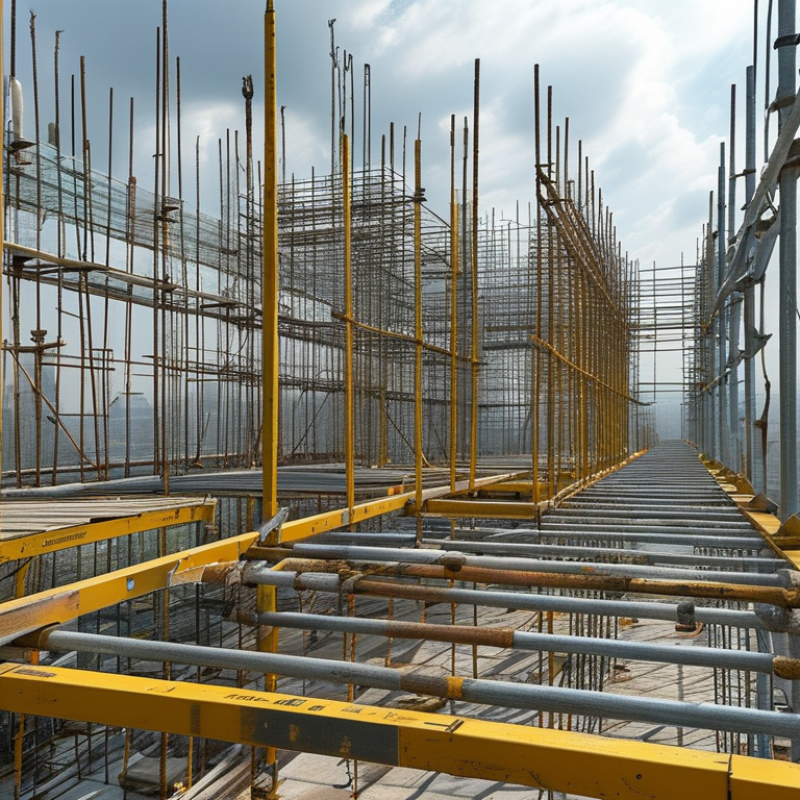
Understanding the Importance of Scaffold Board Safety Standards
Scaffold board safety is crucial in construction. According to data from the Health and Safety Executive, falls from height account for 29% of fatal injuries to workers. This staggering statistic highlights the need for strict adherence to safety standards for scaffold boards. Properly certified boards should meet regulations such as EN 12811-1 and BS 1129. These standards ensure the boards can support required loads, minimizing risks to workers.
Material choice also plays a vital role. Metal scaffold boards are often preferred for their durability and resistance to environmental factors. In fact, metal boards can support a greater weight load compared to wooden boards. However, not all metal boards are created equal. It's essential to check for corrosion and structural integrity regularly. Additionally, some boards may not align with safety standards, which increases the chances of accidents.
Training is another area needing attention. Workers must understand how to properly use scaffold boards. Many accidents stem from improper setup or overloading. Continuous education and adherence to safety standards can significantly reduce these incidents. Construction firms should prioritize a culture of safety, ensuring that every employee is aware of the importance of using certified materials. This vigilance can help prevent injuries and save lives.
Types of Metal Scaffold Boards and Their Safety Features
When selecting metal scaffold boards, understanding the types available is crucial for safety. The two primary types are aluminum and steel boards. Aluminum boards are lightweight and easy to maneuver, making them ideal for short-term projects. They offer good resistance to corrosion as well. However, their lighter weight can sometimes lead to concerns about durability under heavy loads.
On the other hand, steel scaffold boards are known for their strength and longevity. They can bear significant weight and are less likely to bend or warp. However, they are heavier and may require more effort to set up. A crucial safety feature to consider is the non-slip surface. Many boards include an anti-slip coating that helps prevent accidents when wet. Regularly inspecting these features is essential, as worn boards can pose serious risks.
Another significant factor is the weight capacity of the boards. Each type has specific limitations. Overloading a scaffold board, regardless of its type, can lead to dangerous failures. It's important to understand these limits and adhere to them strictly. Even a small mistake can have serious consequences on a job site. The choice of metal scaffold boards directly impacts safety, making informed decisions vital.
Key Factors to Consider When Selecting Metal Scaffold Boards
When selecting metal scaffold boards, safety is the top priority. Consider the material quality first. Opt for boards made from high-grade steel or aluminum. These metals provide durability and resistance to corrosion. Lightweight options are essential for easy handling, but they must also support heavy loads securely. Look for scaffolding that meets safety standards. Certification from recognized organizations can offer assurance.
Next, evaluate the design and dimensions of the scaffold boards. The width should accommodate workers comfortably while ensuring stability. Adequate length can help span large areas without compromising support. Check for proper grip surfaces as well. Slip-resistant features are critical for reducing accidents on the job site.
Additionally, regular maintenance and inspection are vital. Even the highest quality boards can degrade over time. Check for signs of wear, denting, or corrosion before every use. Collecting feedback from workers can provide insight into common issues or concerns. Reflect on these insights to continuously enhance safety practices. Balancing durability with usability is crucial for effective scaffolding solutions.
Material Comparison for Scaffold Boards
Evaluating Load Capacity and Durability for Metal Scaffold Boards
When selecting metal scaffold boards, evaluating load capacity and durability is critical. Many industry reports indicate that a board's load capacity typically ranges from 225 to 600 pounds. This range often depends on the board's thickness and the type of metal used. For example, aluminum boards may weigh less but have a lower load capacity compared to steel boards. Understanding these specifications ensures safety on-site.
Durability is another vital factor. Metal scaffold boards must withstand harsh environments and heavy usage. Studies show that galvanized steel boards can last over 10 years when protected from corrosion. Yet, the protective coating can wear down over time, necessitating regular inspections. Timely assessment is key to maintaining safety standards on construction sites.
It’s important to reflect on the potential pitfalls. A board rated for heavy loads may not perform well if it has physical damages, such as bends or dents. Additionally, exposure to moisture can drastically reduce a board's lifespan. Therefore, ongoing monitoring and a culture of safety awareness are essential for effective scaffold board management.
Maintenance Tips to Ensure Longevity and Safety of Scaffold Boards
When it comes to scaffold boards, maintenance is key to ensuring both longevity and safety. Regular inspections should be a routine practice. Check for signs of rust or severe dents. These issues can compromise structural integrity. Replace any damaged boards immediately. It’s often overlooked, but a small dent today can lead to bigger problems tomorrow.
Cleaning your scaffold boards is essential, too. Dirt, paint, or debris can create slippery surfaces. Regularly sweep and clean boards to maintain safety. Using mild detergents helps remove grime without harsh chemicals that can damage the metal. A simple maintenance schedule can work wonders.
Proper storage matters as well. Store the boards in a dry area, away from direct sunlight. This prevents rust and degradation of the materials. Consider using racks to avoid unnecessary stacking, which can cause bending. A few thoughtful choices can extend the life of your scaffold boards significantly. Always remember, a well-maintained scaffold is vital for safety on any construction site.
FAQS
: The main types are aluminum and steel. Each has unique safety features.
Aluminum boards are lightweight. They are easy to maneuver and resist corrosion.
Their lighter weight may raise durability concerns under heavy loads.
Steel boards are strong and long-lasting. They can bear significant weight without warping.
Inspect for wear, denting, and corrosion before each use. This helps maintain safety.
Understanding weight limits is crucial. Overloading can lead to dangerous failures on site.
Look for non-slip surfaces. They help prevent accidents, especially when wet.
Gather insights on common issues. These reflections can enhance safety practices in the long run.
Boards should be wide enough for comfort. Length must support spanning large areas.
Effective scaffolding needs to be both robust and easy to use for workers' safety.
Conclusion
When selecting the best metal scaffold boards for safety, it is crucial to understand the importance of compliance with safety standards. Metal scaffold boards come in various types, each designed with specific safety features to enhance stability and minimize the risk of accidents at construction sites. Key factors to consider include the load capacity, which determines how much weight the boards can support, and their overall durability, ensuring they can withstand harsh working conditions.
Regular maintenance is essential for prolonging the life and safety of metal scaffold boards. Inspecting them for signs of wear and tear, ensuring proper storage, and adhering to manufacturer guidelines can significantly enhance their longevity. By taking these factors into account, workers and supervisors can ensure a safer working environment, maximizing both efficiency and security on job sites.

 AJ Metal