How to Choose the Best Steel Frame Scaffolding for Your Project?

Time:2026-06-30 Author:Ethan
0%

When embarking on a construction project, choosing the right scaffolding is crucial. As John Smith, a renowned expert in the Steel Frame Scaffolding industry, aptly puts it, “The success of any project hinges significantly on the scaffolding system in place.” Steel Frame Scaffolding offers strength and durability, making it a popular choice for many contractors.

Understanding the specific needs of your project is essential. The type of work, the height involved, and safety concerns all play a vital role in making the best decision. A steel-based system can handle heavy loads and provide stability. However, not all projects require the same solution.

It's important to reflect on the unique requirements of your site. Many overlook factors such as mobility, weight, and ease of assembly. Sometimes, a heavy-duty system can be overkill for lighter tasks. Evaluating your project's needs will lead to a more effective scaffolding choice. As you explore options, remember that Steel Frame Scaffolding can be an investment in both safety and efficiency.
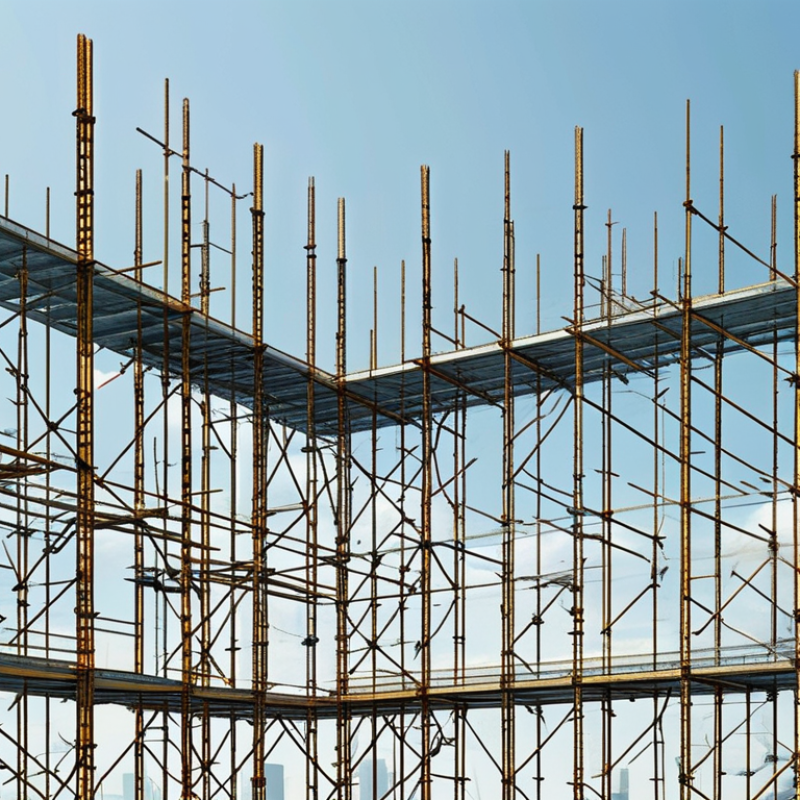
How to Choose the Best Steel Frame Scaffolding for Your Project?

Factors to Consider When Selecting Steel Frame Scaffolding

When selecting steel frame scaffolding for your project, several factors come into play. Safety is paramount. Consider the height and load requirements. A higher load capacity offers better stability. Evaluate the weight of the scaffolding. Heavier frames can withstand more wear but may be challenging to move, which could lead to injury.

Don't overlook the material quality. Steel should be corrosion-resistant to enhance durability. Check for any signs of wear before renting or purchasing. It’s crucial to ensure that the scaffolding meets the necessary safety standards. Always ask detailed questions about inspections and certifications to verify compliance with regulations.

Flexibility and adjustability also matter. Projects vary in scale and complexity. Scaffolding that can adapt to different heights and layouts will save time and resources. Be mindful that some scaffolds may not provide easy assembly instructions. Proper education on setup is often neglected yet fundamental for ensuring safety and efficiency.

Types of Steel Frame Scaffolding Available for Different Projects

When selecting steel frame scaffolding, understanding the various types available is crucial. Each project presents unique requirements. There are several categories of steel scaffolding. These include frame scaffolding, modular systems, and mobile scaffolding. The right choice depends on factors like site conditions, height, and intended use.

Frame scaffolding is popular in construction due to its rigid structure and ease of assembly. According to industry reports, this type can support loads exceeding 1,000 pounds per square foot. However, it may be cumbersome in tight spaces.

Modular scaffolding is more versatile. It's adaptable and can be assembled in various configurations. This flexibility allows it to fit different project needs. Yet, the complexity can increase assembly time for workers.

Mobile scaffolding offers convenience for smaller projects. It is easily transportable and adjustable. However, safety can be a concern if not properly stabilized. A recent safety analysis revealed that over 35% of scaffolding accidents stem from instability. Hence, awareness of potential risks is vital. Ultimately, choosing the right scaffolding involves balancing safety, efficiency, and adaptability to the specific project.

Assessing Load Capacity and Stability of Steel Frame Scaffolding

When assessing the load capacity and stability of steel frame scaffolding, it's crucial to focus on several key factors. Start by understanding the maximum load that the scaffolding can support. Each project has unique requirements, and overloading can lead to serious accidents. Consult manufacturer's specifications to determine safe load limits.

**Tips:** Always perform a weight assessment of materials before placing them on the scaffolding. Use scales if necessary.

Next, evaluate the stability of the scaffolding. Look at the ground conditions where it will be set up. Uneven or soft ground can compromise stability. Ensure that the base is perfectly level. Consider using base plates or adjustable screws to enhance stability.

**Tips:** Check connections and vertical alignment regularly. A small misalignment can lead to big issues. Perform routine inspections throughout your project.

Lastly, training and safety protocols are essential. Workers should know how to use scaffolding safely. Understanding risk factors is vital for maintaining a secure working environment. Regularly review safety measures with the team.

Safety Standards and Regulations for Steel Frame Scaffolding Use

When choosing steel frame scaffolding, safety is paramount. Adhering to safety standards is crucial for protection on site. Different regions have specific regulations. Familiarize yourself with local guidelines before starting your project. This helps ensure compliance and enhances worker safety.

Tips for safety include conducting regular inspections of the scaffolding. Look for signs of wear or damage. Ensure that all components, including braces and planks, are secure. Another tip is to provide adequate safety training for workers. Educating them about hazards raises awareness and reduces accidents. Always use personal protective equipment like helmets and harnesses.

Consider the environment where scaffolding will be used. Weather conditions can affect stability. If it’s windy, check the scaffolding integrity frequently. In rainy conditions, surfaces can become slippery. Be vigilant and adjust your practices to maintain safety. Remember, even minor oversights in scaffolding setup can lead to serious injuries.

Steel Frame Scaffolding Safety Standards Compliance

Cost Analysis: Budgeting for Steel Frame Scaffolding Solutions

When evaluating costs for steel frame scaffolding, detailed budgeting is essential. Industry reports suggest that scaffolding can account for up to 30% of total project costs. Costs vary based on location, project size, and duration. Typically, hourly rental rates for scaffolding range from $10 to $15 per hour. However, purchasing options may seem appealing, often starting at $2,500 for a starter package.

Tips for budgeting effectively include analyzing project timelines. More extended projects may benefit from purchasing rather than renting. Consulting with a seasoned contractor can provide insights on the cost-effectiveness of various scaffolding solutions.

Consider hidden costs as well. Installation fees and safety equipment can add to expenses. According to a recent report by the Occupational Safety and Health Administration (OSHA), up to 50% of scaffolding incidents are linked to improper use. Investing in quality scaffolding can reduce potential accidents and, in turn, project delays. Always allocate funds for necessary training.

How to Choose the Best Steel Frame Scaffolding for Your Project? - Cost Analysis: Budgeting for Steel Frame Scaffolding Solutions

Scaffolding Type Height (m) Weight Capacity (kg) Cost per Unit ($) Suitable Projects
Modular Steel Frame 10 1000 200 Residential Construction
Adjustable Scaffolding 8 800 180 Commercial Renovations
Trestle Scaffolding 5 600 150 Interior Work
System Scaffolding 12 1200 220 Industrial Projects
Cuplock Scaffolding 15 1500 250 Heavy Duty Construction

FAQS

: What are the main types of steel frame scaffolding?

: The main types include frame scaffolding, modular systems, and mobile scaffolding. Each type serves different project needs.

Why is frame scaffolding popular?

Frame scaffolding is popular due to its sturdy structure and easy assembly for large construction projects.

What is a drawback of frame scaffolding?

Frame scaffolding can be cumbersome in tight spaces, limiting its use in smaller areas.

What advantages does modular scaffolding offer?

Modular scaffolding is versatile and adaptable, allowing various configurations for different project requirements.

What is a potential issue with mobile scaffolding?

Mobile scaffolding is easy to move but can pose safety risks if not properly stabilized before use.

How can I ensure the stability of scaffolding?

To ensure stability, check ground conditions, use base plates, and keep the base level during setup.

What should I know about weight limits?

Always verify the maximum load the scaffolding can support and assess materials before placing them.

How can costs for scaffolding vary?

Costs differ based on project size, location, duration, and can reach up to 30% of total project expenses.

What should be included in a scaffolding budget?

Include installation fees, safety equipment, and training costs, as these can significantly impact the overall budget.

Why is safety training important for workers?

Training helps workers understand proper scaffolding use, reducing accidents and ensuring a safer work environment.

Conclusion

When selecting the best Steel Frame Scaffolding for your project, it's essential to consider several key factors. These include the specific requirements of your project, the different types of Steel Frame Scaffolding available, and how each type can cater to your specific needs. Additionally, assessing the load capacity and stability of the scaffolding is critical to ensure safety during construction activities.

Understanding safety standards and regulations is also crucial, as compliance will protect workers and ensure project efficiency. Finally, conducting a thorough cost analysis will help you budget effectively for Steel Frame Scaffolding solutions, making sure that you receive the best value while meeting the necessary safety and stability requirements.


Ethan

Ethan

Ethan is a seasoned marketing professional with a deep expertise in our company's innovative product line. With a passion for sharing knowledge and insights, he takes the lead in regularly updating our corporate blog, where he explores industry trends, product features, and effective marketing......