Choosing the right Board Retaining Clamp is crucial for any woodworking or assembly project. According to a report by the Industrial Fasteners Institute, the demand for high-quality fastening solutions has been increasing by approximately 5% annually. This rise highlights the necessity for effective clamping tools. Experts emphasize that selecting the appropriate clamp can significantly impact project efficiency and safety.
Mark Johnson, an industry expert with over 15 years of experience in tool manufacturing, states, “A proper Board Retaining Clamp not only enhances precision but also improves the overall quality of work.” His insights underline that many users overlook the importance of clamping tools. Poor choices can lead to project delays or compromised results.
When exploring options, it's vital to evaluate different features such as size, material, and clamp strength. These factors directly influence usability and durability. Many users have reported frustration with inadequate clamps that fail during critical tasks. Thus, understanding your specific needs is essential in making an informed decision on Board Retaining Clamps.
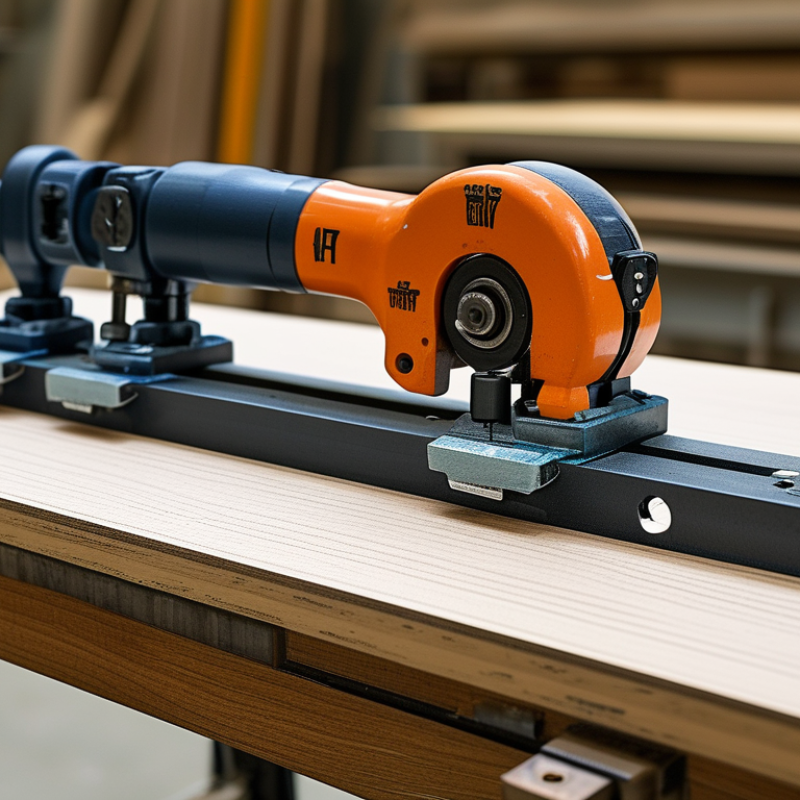
Board retaining clamps play a vital role in various projects. These clamps secure boards during milling, cutting, or drilling. Understanding their key features and types can greatly enhance your workflow.
There are several types of board retaining clamps available. Paddle clamps are simple yet effective, providing strong pressure without damaging materials. C-clamps offer versatility, adjusting to various sizes and shapes easily. You might also consider push clamps that allow quick adjustments, saving time. Each type has unique benefits, so assess your specific needs carefully.
Key features to look for include clamping strength and ease of use. Some clamps have rubberized grips, preventing slippage. Others may include adjustable arms for better adaptability. Not every clamp suits every scenario, and some may not hold up under extreme pressure. Evaluating the materials and build quality is essential. Reflect on your project requirements to ensure reliable and efficient use.
When selecting a board retaining clamp, material quality is crucial for longevity and effectiveness. Various materials, such as steel, aluminum, and plastic, each offer distinct benefits. According to industry reports, clamps made from high-grade steel exhibit superior tensile strength, often surpassing 70,000 psi. This strength leads to enhanced performance in heavy-duty applications. However, the risk of rust may necessitate protective coatings.
Aluminum clamps, while lightweight, can compromise strength. They typically withstand less pressure than steel counterparts. Yet, many professionals appreciate aluminum for its resistance to corrosion and ease of handling. In environments with moisture, this can be a significant advantage. A comparative analysis shows that plastic clamps, while budget-friendly, often lack the durability required in rigorous settings. They can warp under stress, leading to potential failures.
Consider how different applications might dictate your material choice. An outdoor project may favor corrosion-resistant options like aluminum, while industrial tasks might demand the strength of steel. Reflecting on these aspects ensures a fitting choice. Ultimately, understanding material implications can significantly impact both the tool's lifespan and performance.
When selecting a board retaining clamp, proper sizing is essential. Many users overlook the importance of accurate measurements. According to industry standards, a poor fit can reduce clamp performance by up to 30%. This discrepancy often leads to workflow disruptions.
Measuring the thickness of the board is crucial. Use a caliper for precision. Ensure you account for any additional materials, like coatings. For example, some users forget that even small variations can alter the required clamp size. Adjustments might be necessary if boards have uneven surfaces.
Additionally, consider the type of project. If you’re working with multiple board sizes, an adjustable clamp may save time and effort. According to a survey, 45% of professionals reported having to remeasure boards due to initial sizing errors. That statistic highlights the need for attention to detail. Ultimately, thoughtful measurement can enhance efficiency and results.
| Clamp Size | Board Thickness Range (inches) | Material | Jaw Opening (inches) | Weight Capacity (lbs) |
|---|---|---|---|---|
| Small | 0.25 - 0.75 | Aluminum | 2 | 100 |
| Medium | 0.75 - 1.5 | Steel | 3 | 200 |
| Large | 1.5 - 2.5 | Carbon Steel | 4 | 300 |
| Extra Large | 2.5 - 4.0 | Stainless Steel | 5 | 400 |
When selecting a board retaining clamp, understanding load capacity is crucial. The clamp must support not just the weight of the materials but also any additional force applied during work. Research shows that clamps can range from 200 to 1,000 pounds in load capacity. This variance can impact the choice for specific projects.
Consider the material you’ll be working with. For heavy-duty applications, such as woodworking or metal fabrication, a clamp with a higher load capacity is essential. According to industry reports, most projects fail due to inadequate clamping strength. Many professionals recommend overrating your clamp’s capacity by 20%. This approach adds an extra margin for safety and durability.
Lastly, have a clear understanding of how you will use the clamp. Inconsistent pressure can lead to material damage. Always test the clamp’s performance before full application. It’s vital to reassess your needs as projects evolve. Ensure the clamp remains effective under different conditions. Evaluating load capacity and usage not only improves results but also enhances safety.
When it comes to installing a board retaining clamp, proper use and maintenance are crucial. Begin by ensuring your clamp is securely positioned. Tighten it in stages to avoid over-tightening, which can damage your workpiece. Use a torque wrench if you have one, as it helps maintain consistent pressure. Always check the clamp after installation; loose clamps can compromise your project. Regularly inspect for wear or damage, especially on the clamping surface. A small dent can affect its performance.
Adjustment is equally important. Make minor adjustments gradually. Large changes can throw off alignment. Consider using spacers or shims if needed, but make sure they fit snugly. In some cases, repositioning the entire clamp is more effective than adjusting it incrementally. Always keep your workspace clean to avoid debris that can interfere with your clamp’s function. Reflect on your setup regularly. Are you getting consistent results? Learning from your experiences will lead to improvements. Proper maintenance extends the life of your clamp and ensures consistent project success.
: Proper sizing ensures optimal performance. A poor fit can reduce clamp effectiveness by 30%.
Use a caliper for accurate measurements. Remember to include coatings that may affect size.
You might need to adjust your clamp size. Small variations can change the required fit.
Adjustable clamps can save time on projects with multiple board sizes. They offer flexibility in sizing.
Consider the weight of materials and additional forces. Clamps range from 200 to 1,000 pounds in capacity.
Inadequate clamping can result in project failure. It's crucial to choose a clamp with enough strength.
Overrating by 20% provides safety. It ensures durability under varying project conditions.
Inconsistent pressure can damage materials. Always test clamps before full application to ensure stability.
Yes, as projects evolve, it’s important to evaluate clamp effectiveness regularly.
Many users fail to remeasure accurately, sometimes leading to costly errors. Attention to detail is key.
When selecting the best Board Retaining Clamp for your needs, it is essential to understand the key features and types available in the market. The quality of materials significantly impacts the clamp’s durability and performance, making it crucial to evaluate options carefully. Additionally, knowing how to measure correctly ensures a proper fit for your projects, ultimately enhancing stability and safety.
Load capacity is another vital consideration; choosing a clamp that can handle the specific requirements of your tasks is necessary for effective usage. Lastly, proper installation and adjustment tips can foster maintenance practices that extend the life of your Board Retaining Clamp, ensuring reliable performance in various woodworking and fabrication applications. By following these guidelines, users can make informed decisions that suit their individual project needs.

AJ Metal