Choosing the right girder coupler for your project is crucial. This decision can impact both safety and efficiency. A good girder coupler connects structural elements, ensuring stability. However, not all couplers are created equal. Various factors play a role in determining the best option for your needs.
Consider the material and load capacity of each girder coupler. Different projects require different specifications. Additionally, installation methods may vary. It's essential to analyze your project’s unique demands. Sometimes, recommendations depend heavily on experience. This hands-on knowledge can highlight potential pitfalls.
Understanding the technical details is necessary, but it’s also vital to consult with experts. Their insights into trends and standards provide authoritative guidance. However, not all advice is flawless. Evaluating multiple sources can mitigate biases. Ultimately, choosing the right girder coupler involves careful consideration and informed decision-making.
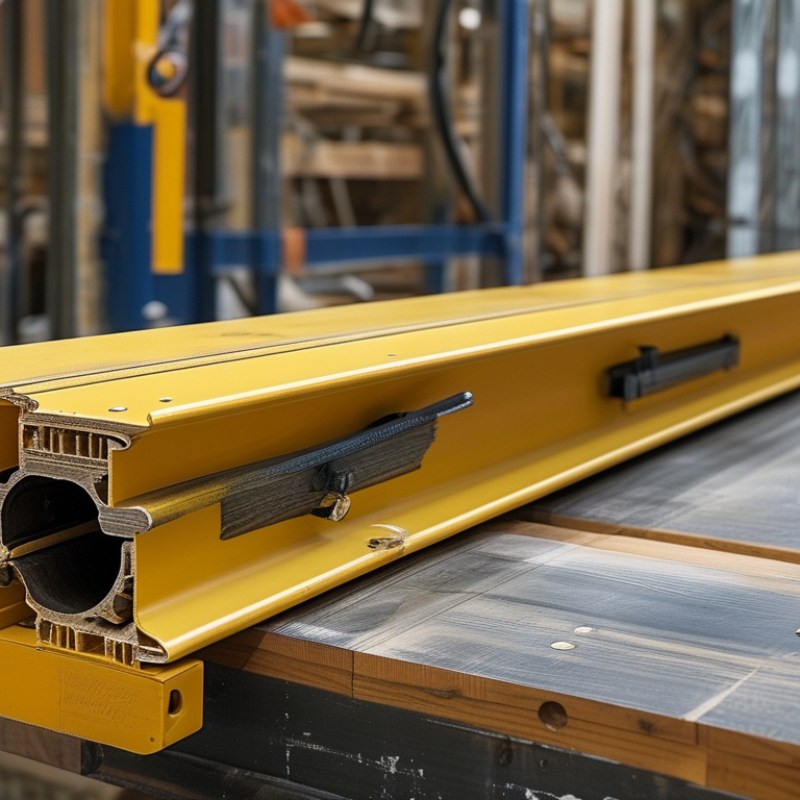
Understanding the Basics of Girder Couplers
When navigating the world of girder couplers, understanding the essentials is crucial. Girder couplers are pivotal in connecting and stabilizing structural elements. They ensure the integrity and durability of various projects in construction and engineering. Their efficiency largely depends on the materials used and design specifications. According to industry reports, over 70% of construction projects experience delays due to improper coupler selections.
Selecting the right girder coupler begins with the load-bearing requirements. Factors such as tensile strength and environmental conditions must be analyzed. Reports suggest that poor coupler choices can lead to structural failures, prompting a deeper examination of specifications. Key correlations exist between coupler quality and project timelines. Data indicates that projects utilizing high-quality couplers complete, on average, 15% faster.
Moreover, practical experience plays a significant role. Engineers often note that even slight miscalculations in coupler sizing can result in major issues down the line. It's not uncommon to see teams struggling with coupler misalignments after installation. Such oversights underscore the need for thorough assessments before finalizing a decision. Attention to detail in coupler selection can prevent costly corrections later on.
Key Factors to Consider When Selecting a Girder Coupler
Choosing the right girder coupler is crucial for any construction project. Key factors play a significant role in ensuring the coupler's effectiveness and reliability. Begin by assessing the load requirements. The coupler must support the anticipated weight without failure. This involves understanding the materials involved and their properties.
Material selection is essential. Different projects may require different materials. Steel, for instance, offers strength, while aluminum is lighter. Consider the environmental conditions too. High humidity or temperature fluctuations can affect performance. Choose a coupler that withstands such challenges.
Tips: Always check certifications and standards. This ensures the coupler meets industry benchmarks. Additionally, consider the installation process. A complicated setup can delay your project. Simplify as much as possible.
Another factor is the compatibility with existing structures. Mismatches can create safety issues. Ensure that the coupler integrates well with your girders. This compatibility can sometimes be overlooked. Reflect on the long-term maintenance costs as well. Cheaper options may lead to higher expenses down the line. Prioritize reliability over initial savings.
Different Types of Girder Couplers and Their Applications
When selecting a girder coupler, understanding the different types available is essential. There are several options, each serving unique applications. Some couplers are designed for heavy-duty projects, while others work best for lighter structures. Relying on the right type can significantly impact your project's stability and safety.
Rigid couplers provide maximum strength for heavy loads. They are typically used in larger constructions like bridges or industrial buildings. On the other hand, flexible couplers accommodate some movement, making them suitable for structures that experience thermal expansion or shifting ground. It’s vital to assess your specific needs before making a choice.
Tips: Always consider load capacity. Inspect the specifications carefully. Don't hesitate to consult with professionals when in doubt. An incorrect choice can lead to structural issues later on. Evaluate the environments your project will face, such as weather and soil conditions. Sometimes, the best product isn't about the latest technology, but rather what suits your specific situation.
How to Choose the Best Girder Coupler for Your Project? - Different Types of Girder Couplers and Their Applications
| Type of Girder Coupler |
Material |
Load Capacity (tons) |
Typical Applications |
| Standard Girder Coupler |
Steel |
10 |
General construction |
| Heavy-Duty Girder Coupler |
High-strength Steel |
20 |
Industrial projects |
| Lightweight Girder Coupler |
Aluminum |
5 |
Residential frameworks |
| Adjustable Girder Coupler |
Carbon Steel |
15 |
Versatile applications |
| Specialized Girder Coupler |
Composite Materials |
10 |
Architectural designs |
Evaluating Strength and Performance Specifications
When evaluating strength and performance specifications for girder couplers, several factors come into play.
The load capacity is crucial, as it determines how much weight the coupler can support. Look for couplers tested under standardized conditions to ensure reliability. Different materials, such as steel or aluminum, also influence performance. Steel offers high strength, while aluminum provides lighter options for specific applications.
Another essential aspect is the design of the coupler. A well-designed coupler will allow for easy installation and accessibility.
Consider how the coupler interacts with existing structures. Compatibility is key. Keep in mind that not all couplers perform the same under stress. Testing under real-world conditions can reveal weaknesses in some designs. It’s essential to choose a coupler that meets rigorous industrial standards.
While choosing, pay attention to the manufacturer's documentation. It's an excellent source of information. Some users often overlook subtleties in specifications, such as fatigue limits or environmental resistance. Reflecting on your project's specific needs helps in making an informed decision. A more thoughtful selection enhances safety and efficiency throughout your project.
Cost Considerations and Budgeting for Your Project
When planning your project, budget constraints can greatly influence your choice of girder couplers. Industry reports suggest that approximately 30% of construction budgets are often allocated to hardware and fittings. Selecting the right coupler affects not just performance but overall costs. Depending on the specifications, couplers can range significantly in price. A common estimate shows that quality couplers typically cost between $5 to $15 each, which can add up quickly for larger projects.
Keep in mind that the cheapest option may not always be the best. Investing in higher-quality couplers can reduce the likelihood of failures and costly repairs later. A report highlighted that projects using subpar couplers experienced a 20% increase in maintenance costs over time. While it can be tempting to cut corners, those savings might vanish with unforeseen expenses.
Be sure to evaluate the total lifecycle cost, not just the initial expense. Quality couplers may carry a higher upfront cost but often lead to reduced labor and replacement needs. Budgeting for these factors at the outset is essential. A detailed cost analysis can better inform decision-making. Aim to balance functionality and quality with budgetary limits to achieve a pragmatic approach for your construction needs.
FAQS
: They connect girders in construction. Their type affects stability and safety greatly.
Assess your project’s specific needs. Consider load capacity and the environment.
It offers maximum strength for heavy loads. Ideal for large constructions like bridges.
Use it for structures that face movement. It handles thermal expansion well.
Different materials affect performance. Steel is strong; aluminum is lighter and suited for specific tasks.
Look for couplers tested under standardized conditions. This ensures they support required loads.
Choose couplers that are easy to install and work well with existing structures.
Pay attention to fatigue limits and environmental resistance specifications. These matter.
Evaluate factors like weather and soil conditions. This leads to better decision-making.
It can result in structural issues later. Careful selection enhances project safety.
Conclusion
When choosing the best girder coupler for a project, it's essential to grasp the fundamental concepts of these important structural components. Understanding the basics of girder couplers helps in evaluating their roles and applications in various construction settings. Key factors to consider include the load-bearing capacity, environmental conditions, and compatibility with existing structures, ensuring the selected coupler meets specific project needs.
Additionally, there are different types of girder couplers available, each designed for unique applications, from simple connections to complex structural integrations. Assessing strength and performance specifications is crucial for maintaining safety and efficiency in construction. Finally, budget considerations play a significant role in the decision-making process, balancing quality with cost to achieve the best outcome for the project.

 AJ Metal