How to Choose the Best Scaffolding Connector for Your Project?

Time:2026-06-07 Author:Ethan
0%

When embarking on a construction project, selecting the right Scaffolding Connector is crucial. Reports from the Construction Industry Institute indicate that over 30% of workplace accidents can be traced back to inadequate scaffolding systems. The right connectors ensure stability and safety on-site.

Industry expert John D. Roberston, a leading figure at the Scaffolding Association, emphasizes, "Choosing the appropriate Scaffolding Connector can significantly reduce hazards." This statement highlights both the importance of informed decision-making and the need for thorough evaluation of connector types.

As projects vary, so do the requirements for scaffolding connectors. Factors like load capacity, environmental conditions, and ease of assembly must influence your choice. Neglecting any of these aspects may lead to safety risks or project delays. The decision-making process isn't straightforward and can involve multiple iterations. Thus, reflecting on previous selections and real-life applications can provide valuable insights into making the right choice.
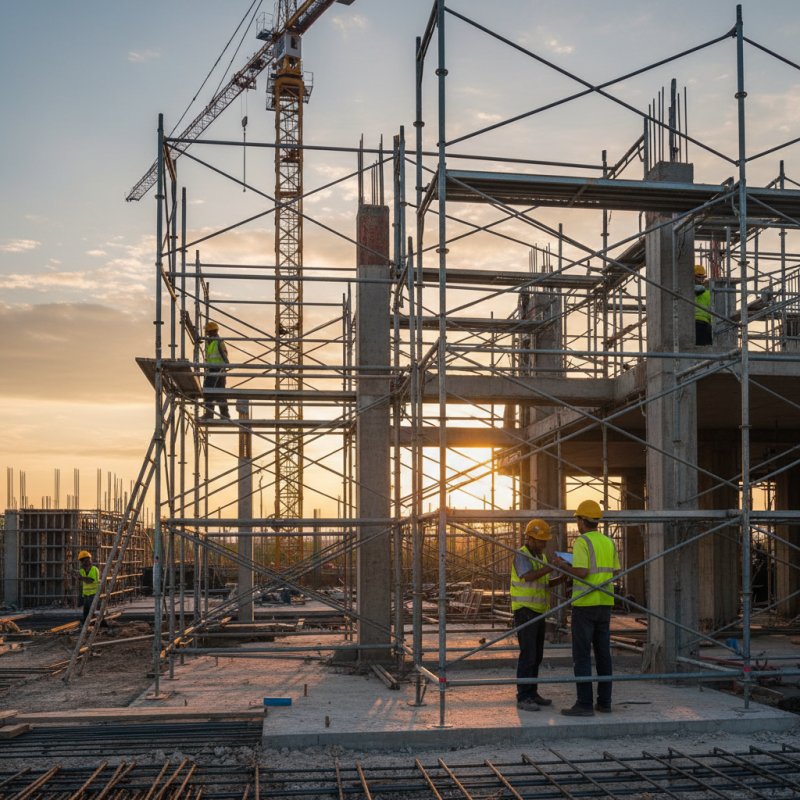
How to Choose the Best Scaffolding Connector for Your Project?

Understanding Different Types of Scaffolding Connectors

Choosing the right scaffolding connector is essential for your project's safety and efficiency. There are various types of connectors available, each serving a specific purpose. Understanding these can help ensure you select the most suitable option. For instance, couplers connect tubes at right angles, which can provide stable support. In contrast, swivel couplers allow for adjustments, making them ideal for complex structures.

Additionally, some connectors are designed for heavy-duty use, while others may be more suited for lighter applications. Assessing the load requirements of your project will guide your choice. Good practice involves regularly checking these connectors for wear and tear. Even the best connectors can fail if not maintained properly.

A connector's material is also crucial. Steel connectors tend to be robust but heavier. Aluminum options are lighter but may not support as much weight. Tempting as it may be to compromise on quality for cost savings, doing so can lead to unsafe conditions and project delays. It's vital to weigh the pros and cons carefully, ensuring your selection can withstand the demands of your work environment.

Key Factors to Consider When Choosing Scaffolding Connectors

When selecting scaffolding connectors, several key factors come into play. Safety is paramount. According to a study from the Bureau of Labor Statistics, falls contribute to approximately 39% of construction site fatalities. It’s critical that connectors meet industry safety standards, such as those set by OSHA. This ensures they can withstand necessary loads and maintain structural integrity.

Durability is another vital consideration. Connectors made from high-quality materials, like galvanized steel or aluminum, offer better resistance to corrosion and wear. A report by the International Journal of Advanced Structural Engineering highlighted that connectors with higher tensile strength significantly reduce the risk of structural failure. Contractors must also consider compatibility with their existing scaffolding systems. Mismatched components can lead to unexpected failures and hazardous situations.

Finally, ease of installation plays a crucial role. Connectors should be straightforward to use, as complicated systems can lead to delays and mistakes. A survey of project managers indicated that 72% of respondents faced delays due to installation challenges. Collectively, these factors will influence the overall success of a scaffolding project. It's essential to prioritize these elements when choosing connectors to enhance safety, efficiency, and reliability on the job site.

Assessing Load-Bearing Capacity of Scaffolding Connectors

Choosing the right scaffolding connector is crucial for safety and stability. One significant factor to consider is the load-bearing capacity. This determines how much weight the scaffolding can support, which is vital for any construction project. According to a 2021 industry report, connectors must ideally support at least 2.5 times the expected load. Failing to meet this guideline can lead to severe safety risks.

Testing methods vary but are essential in assessing load-bearing capacity. Direct tensile tests and shear tests provide insights into materials' strength. A recent study indicated that connectors with a higher tensile strength exhibit better performance under unexpected loads. However, the industry still faces challenges regarding consistency in manufacturing and material quality, which can lead to discrepancies in actual performance.

Pay attention to the specifications outlined by regulatory bodies. Standards often define minimum load factors, yet many projects overlook these. Not every connector will perform as expected under real-world conditions. It's vital to weigh manufacturers' claims against empirical data. Reflecting on past failures in scaffolding systems reveals the importance of thorough assessments. A connector may seem reliable on the surface but could fail under pressure. Prioritizing load-bearing capacity is essential for the safety of workers and the integrity of the project.

Evaluating Material Durability and Weather Resistance

When selecting scaffolding connectors, evaluating material durability and weather resistance is crucial. Different projects have unique environmental challenges. For instance, coastal areas face high humidity and salt exposure. This can lead to accelerated corrosion in connectors that are not designed for such conditions.

Steel connectors are popular for their strength but may require coatings to resist rust. On the other hand, aluminum connectors offer lightweight benefits but might not withstand heavy loads without proper bracing. It's essential to consider the local climate. For example, regions with extreme temperatures can affect the integrity of certain materials.

Assessing the durability means looking beyond just price. Some cheap connectors may save money initially but lead to higher costs over time due to frequent replacements. Engineers should inspect connectors regularly, especially after harsh weather events. These checks can reveal potential weaknesses and ensure safety. Ultimately, investing time in evaluation can prevent issues later in the project.

How to Choose the Best Scaffolding Connector for Your Project? - Evaluating Material Durability and Weather Resistance

Connector Type Material Durability Rating Weather Resistance Ideal Application
Hinged Connector Steel High Excellent Industrial usage
Straight Connector Aluminum Medium Good Residential projects
Swivel Connector Fiberglass Very High Excellent Extreme conditions
Quick Release Connector Plastic Composite Low Fair Lightweight tasks

Safety Standards and Regulations for Scaffolding Connectors

When selecting scaffolding connectors, safety standards are paramount. The Occupational Safety and Health Administration (OSHA) sets strict regulations to enhance worker protection. According to a 2021 report by the International Safety Standards Organization, over 80% of scaffolding accidents stem from improper connections. This highlights the critical role of choosing the correct connectors.

The right connectors should comply with industry standards. Look for connectors that are tested and certified to hold specific weight limits. For instance, a typical scaffolding connector should support at least 2000 pounds. Always consider the load requirements of your specific project. Inspect connectors regularly for wear and damage.

Tips: Ensure you choose connectors made from high-quality materials. Avoid low-cost options that do not meet safety guidelines. Regular training on the correct use of scaffolding connectors can prevent accidents. Remember, safety is not just a choice; it is a responsibility.

FAQS

: What is the most important factor when choosing scaffolding connectors?

: Safety is paramount. Connectors must meet industry safety standards to prevent accidents.

What materials should be considered for scaffolding connectors?

High-quality materials like galvanized steel or aluminum should be used for durability.

How does the choice of connectors affect construction site safety?

Incorrectly matched connectors increase the risk of structural failure and accidents.

Why is ease of installation important for scaffolding connectors?

Complicated systems can lead to delays and mistakes during projects.

What happens if connectors do not meet safety guidelines?

Using low-quality connectors can result in accidents and jeopardize workers' safety.

How often should scaffolding connectors be inspected?

Regular inspections for wear and damage are essential for maintaining safety.

What weight should scaffolding connectors typically support?

Connectors should support at least 2000 pounds based on specific project requirements.

What training should be provided regarding scaffolding connectors?

Regular training on proper use can help prevent accidents on the job site.

What should be avoided when selecting scaffolding connectors?

Avoid low-cost options that do not comply with safety guidelines and standards.

How impactful are installation challenges on project timelines?

Installation difficulties can cause significant delays, affecting overall project efficiency.

Conclusion

When choosing the best scaffolding connector for your project, it is essential to understand the various types available. Each type serves specific construction needs, so it's crucial to assess factors such as load-bearing capacity, which determines how much weight the connector can support safely. Additionally, evaluating material durability and weather resistance ensures that the connectors will perform optimally under different environmental conditions.

Safety standards and regulations should also be taken into account to ensure that the scaffolding connectors meet industry requirements. By considering these key factors, you can make an informed decision to select the appropriate scaffolding connector that guarantees both safety and efficiency for your construction project.


Ethan

Ethan

Ethan is a seasoned marketing professional with a deep expertise in our company's innovative product line. With a passion for sharing knowledge and insights, he takes the lead in regularly updating our corporate blog, where he explores industry trends, product features, and effective marketing......