Choosing the right Putlog Coupler for a global project requires more than comparing prices or browsing product photographs. It demands practical judgment, verified specifications, and awareness of site conditions. Tube diameter, steel grade, working load, surface treatment, and tightening performance can affect every connection. A coupler that performs well on a dry European site may behave differently in coastal humidity, dusty environments, or areas with large temperature changes.
Scaffolding specialist John Derbyshire offers a useful reminder: “A coupler is only as reliable as the system, inspection, and workmanship supporting it.” That principle should guide procurement teams across borders. They should review recognized testing records, manufacturer quality controls, installation guidance, and traceable batch information. Small details matter. A wet shipping container, damaged threads, or a poorly fitting tube can create unexpected problems.
The best choice also considers local labor skills and replacement access. Can workers identify the correct Putlog Coupler quickly? Are compatible tubes available near the project? Does the supplier provide clear instructions in the required language? These questions are practical, not decorative.
No selection process is flawless. Product data may be incomplete, and field assumptions can be wrong. A short trial assembly can reveal more than a polished brochure. This guide explores the checks, comparisons, and decisions that help project teams select a dependable Putlog Coupler for demanding international work.
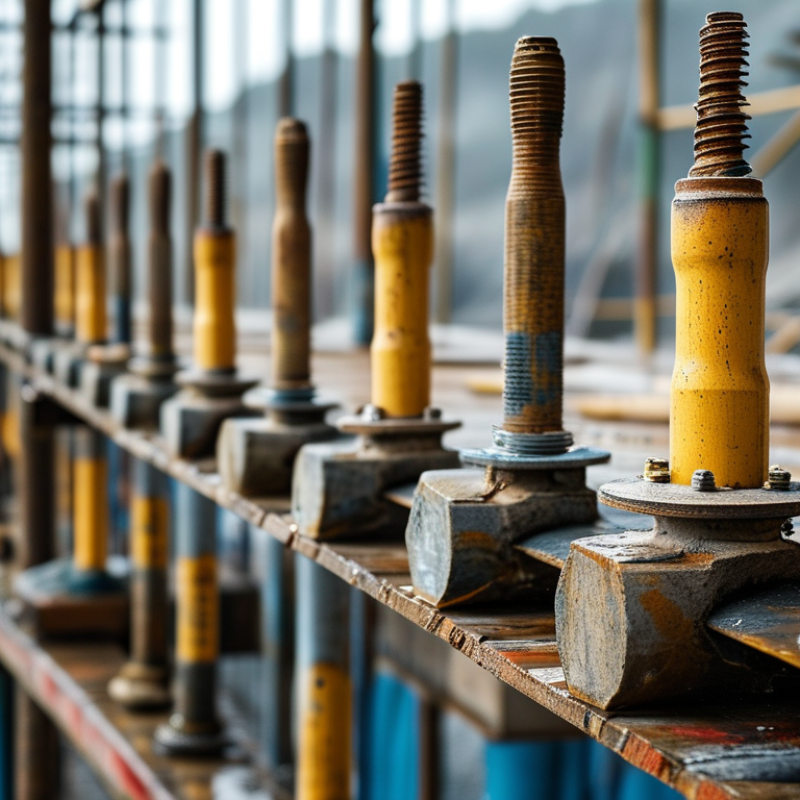
A putlog coupler is selected according to the job it must perform. Define the putlog use before comparing coupler shapes or finishes. Is it supporting brickwork platforms, connecting a transom, or securing a short scaffold tube? Each application creates different load directions and installation limits. A coupler intended for a simple right-angle connection may not suit an arrangement with repeated movement or unusual loading.
Confirm the tube size with a calibrated vernier caliper, not only a supplier description. The common scaffold tube outside diameter is 48.3 mm. The coupler must be designed for this actual diameter and the tube wall thickness used on site. Measure twice. Do not guess. Check that the fitting closes evenly around clean, undamaged tubes. Paint buildup, dents, and corrosion can prevent full contact, even when the diameter appears correct.
Project experience shows that small dimensional errors often become larger safety concerns during installation. Review the coupler’s tested load capacity, tightening method, inspection requirements, and applicable regional standards. A competent scaffold professional should verify the connection design and site conditions. One detail is easy to miss: a coupler may fit the tube but still be unsuitable for the intended load path. I have seen rushed selections pass a basic fit check, yet fail a more careful review of alignment, access, and maintenance. Age, repeated dismantling, and weather exposure also deserve attention.
For global scaffolding projects, selecting a putlog coupler begins with classifying the loads it must transfer. A putlog connection commonly carries vertical reactions from platform boards and bearers. It may also resist horizontal movement, local bending, and eccentric loading. Wind can change the demand quickly.
Separate permanent loads from temporary imposed loads. Include workers, stored materials, access equipment, and impact effects. Check whether the load acts concentrically or several millimetres off the tube centreline. That offset matters. A simple vertical calculation may hide a bending problem.
EN 74-1 provides performance requirements and test methods for scaffold couplers, including strength, slip resistance, and deformation behaviour. Compare the project load effects with the coupler’s declared performance class and tested configuration. Do not treat a catalogue value as universal. Tube diameter, wall thickness, tightening condition, installation angle, and contact surfaces can alter performance.
A practical review should record the design load, load direction, safety factors, and the relevant EN 74-1 requirement. Confirm that the coupler type matches the connection detail. A putlog coupler tested for one arrangement may not represent another arrangement on site.
Field inspections also matter. Clean tubes help. Correct tightening matters more. In real projects, records may be incomplete, and that weakness deserves attention before approval. One judgment call is unavoidable: classifying mixed or eccentric loads can require engineering review rather than a convenient spreadsheet category.
Jaw geometry deserves close attention because it controls how securely the coupler grips the tube. Compare the jaw radius with the tube’s outside diameter. A small mismatch can create point loading, slipping, or local deformation. Check whether the jaws sit evenly around both tubes. They should not bite into one edge.
On a recent site review, I found that a coupler looked suitable until the tube surface showed uneven contact marks. The drawing was correct, but the actual fit was not.
Tube wall thickness also affects the decision. Thin-walled tubes may deform under excessive clamping force. Thick-walled tubes may need higher torque, but only within the approved product limits. Confirm tube dimensions, steel grade, surface condition, and corrosion protection before installation.
Do not rely on appearance alone. Measure the tube. Record the result.
Installation torque must come from verified technical data, not personal judgment. Use a calibrated torque wrench and inspect the bolt, nut, and thread condition. Apply torque gradually, while keeping the coupler aligned. Recheck critical connections after the structure settles or experiences heavy weather.
Global projects often involve different tools, languages, and training levels. Clear torque markings and illustrated instructions reduce mistakes.
I have sometimes assumed experienced crews needed less guidance. That assumption was wrong. A short installation check can prevent expensive rework and unsafe loading. Local regulations and an engineer’s review still matter.
In coastal, humid, or industrial areas, zinc coating thickness deserves careful specification. A putlog coupler may look robust, yet thin protection can fail around edges, welds, and contact points. Specify hot-dip galvanizing to ISO 1461 and state the required steel thickness category. For steel over 6 mm, the standard minimum is commonly 70 micrometres locally and 85 micrometres on average. Thinner sections have lower minimum values, so the coupler’s actual material thickness must be checked.
Do not rely on appearance alone. Ask for the galvanizing inspection record, coating measurements, and batch traceability. A magnetic thickness gauge can reveal uneven coverage during incoming inspection. Check the jaw, bolt, and threaded areas carefully. Zinc buildup may affect fit, while bare spots can expose steel quickly. That detail is easy to miss.
Corrosive exposure changes the risk calculation. Salt spray, standing water, and chemical vapour may require a project-specific protective system beyond the ISO 1461 baseline. However, simply requesting “extra zinc” is not precise enough. Define the environment, coating class, inspection method, and repair limits in the purchase specification. Experience shows that transport damage can also create small exposed areas. Repair them using an approved zinc-rich method, after cleaning the steel. Thickness matters. It is not everything. Temperature, drainage, handling, and maintenance still influence service life.
Choosing a putlog coupler for global work requires more than checking tube fit. Verify the coupler’s tested configuration, material grade, working load, and traceability. BS 1139 requirements should match the tube system used on the project. AS/NZS 1576 adds regional expectations for scaffold components, connections, and safe performance. These standards are not interchangeable by assumption.
OSHA 1926.451 requires each scaffold component to support its own weight and at least four times the maximum intended load. It also addresses platform construction, access, stability, and fall protection. A coupler may pass one regional test yet remain unsuitable for another system. Ask for current test reports, installation instructions, batch identification, and evidence of independent assessment. Check the actual tube diameter with a calibrated gauge. Paint, rust, and worn threads can reduce grip. Small details matter.
The HSE report Work-related Fatal Injuries in Great Britain, 2023/24, recorded 40 worker deaths from falls from height. In the United States, Bureau of Labor Statistics data also continues to identify falls as a major construction hazard. These figures support a practical approach: inspect every connection before loading, during shifts, and after alteration. I have seen teams focus on bolt tightness while ignoring tube distortion. That is an easy mistake. The safer decision is sometimes replacing a questionable coupler, even when the defect looks minor.
: Check permanent loads, workers, stored materials, access equipment, impact, wind, and horizontal movement. Include vertical reactions and local bending. Small offsets matter.
A load several millimetres from the tube centreline can create bending. A simple vertical calculation may hide this effect. Engineering review may be necessary.
EN 74-1 provides performance requirements and test methods for strength, slip resistance, and deformation. Compare project loads with the declared performance class and tested configuration. A catalogue value is not universal.
Tube diameter, wall thickness, tightening condition, installation angle, and contact surfaces can change capacity. Confirm the coupler matches the actual connection detail. The site arrangement may differ.
Compare the jaw radius with the tube outside diameter. Both tubes should have even contact around their surfaces. Look for point loading or edge marks. Measure, do not guess.
Thin-walled tubes may deform under excessive clamping force. Thicker tubes may require higher torque within approved limits. Record tube dimensions, steel grade, and surface condition.
Use verified technical data and a calibrated torque wrench. Keep the coupler aligned while tightening gradually. Inspect bolts, nuts, and threads first. Experience is not enough.
Specify hot-dip galvanizing to ISO 1461 and define the required thickness category. For steel over 6 millimetres, common minimum values are 70 micrometres locally and 85 micrometres on average. Check records and measurements.
Inspect jaw contact, bolts, threads, coating thickness, exposed steel, and installation records. Check connections again after settlement or severe weather. Records can be incomplete. That weakness deserves attention.
Choosing the right Putlog Coupler for global projects requires a careful review of scaffold design, site conditions, and applicable standards. Begin by confirming that the coupler is intended for putlog or transom applications and is compatible with standard 48.3 mm scaffold tubes. Next, classify the expected loads and compare the coupler’s performance with the requirements of EN 74-1, ensuring that the selected product can safely support the intended arrangement. Jaw geometry, tube wall thickness, and correct installation torque should also be checked to achieve a secure connection without damaging the tube or reducing system stability.
For outdoor or corrosive environments, specify an appropriate zinc coating thickness in accordance with ISO 1461 and consider the project’s exposure conditions. Finally, verify documentation and testing against relevant regional requirements, including BS 1139, AS/NZS 1576, and OSHA 1926.451. A structured selection process helps improve compatibility, durability, installation consistency, and compliance across international construction projects.

AJ Metal