Metal Scaffold Boards have become essential in construction and industrial applications. With the global scaffold market projected to reach $190 billion by 2027, the demand for reliable scaffolding options is growing rapidly. Metal Scaffold Boards offer strengths that wood alternatives cannot match. Their durability, resistance to weather conditions, and improved safety make them a preferred choice.
Moreover, construction sites often face risks. According to the Occupational Safety and Health Administration (OSHA), falls are among the leading causes of workplace injuries. Metal Scaffold Boards reduce this risk through enhanced stability. Industry reports highlight that businesses using these boards report up to a 20% decrease in accident rates, underscoring their effectiveness.
However, not every project is suited for Metal Scaffold Boards. Factors like weight and cost need consideration. While they may be pricier upfront, their durability can save money over time. Buyers should assess specific project needs against these boards' advantages. Understanding these dynamics is vital for making informed decisions in the scaffolding landscape.
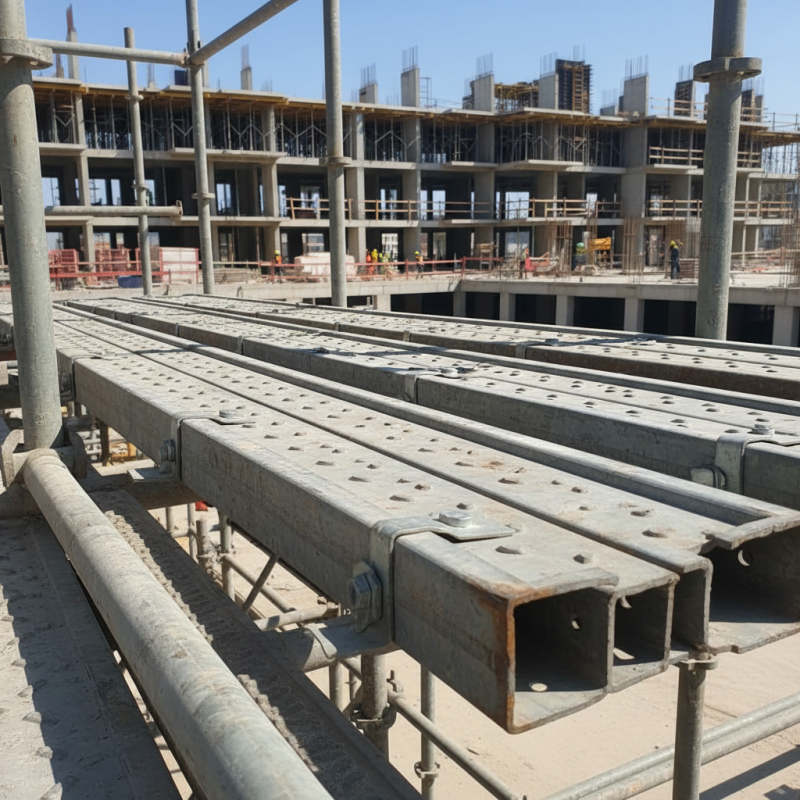
Metal scaffold boards offer significant advantages in construction projects. These boards are known for their durability and strength. Unlike traditional wood, metal boards resist warping and splintering. This makes them reliable during lengthy projects. They can support heavy loads, ensuring safety for workers. Many contractors prefer these boards for their stability and longevity.
Moreover, metal scaffold boards are less prone to weather damage. They do not absorb moisture, which minimizes the risk of mold and corrosion. This quality is crucial for projects in humid or rainy areas. However, a downside is the initial cost, which can be higher than wood boards. Buyers need to consider this investment carefully. Over time, the longevity of metal scaffold boards may offset these costs.
Another aspect to reflect on is the weight. Metal boards can be heavier, which may complicate transportation and setup. Workers need proper training to handle these materials safely. Despite these challenges, the benefits often outweigh the drawbacks, making metal scaffold boards a valuable choice in modern construction.
| Dimension | Details |
|---|---|
| Material | Aluminum or Steel |
| Weight Capacity | Up to 2000 lbs |
| Lifespan | 10-15 years |
| Corrosion Resistance | High |
| Maintenance Requirement | Low |
| Main Uses | Commonly used in construction, maintenance, and refurbishment projects |
| Safety Features | Non-slip surface, secure locking mechanisms |
| Cost-Effectiveness | Long-term investment due to durability and low maintenance |
: Metal scaffold boards are durable and strong. They resist warping and splintering, making them reliable for long projects.
They are less prone to weather damage and do not absorb moisture. This reduces the risk of mold and corrosion.
Yes, the initial cost can be higher than wood boards. Buyers should consider the long-term investment.
They can be heavier than wood, complicating transportation and setup. Proper training for workers is essential.
Store them in a dry, sheltered place. Adequate support during storage maintains their shape and prevents damage.
Regular inspections for corrosion and wear are crucial. Damage can pose serious safety risks.
Yes, personal protective equipment is essential when using metal scaffold boards to ensure safety on site.
Conduct regular safety audits and assessments. This proactive approach addresses potential hazards before incidents occur.
Their weight can complicate handling. Companies need to train workers properly to mitigate these challenges.
Metal Scaffold Boards offer significant advantages in construction projects due to their durability, strength, and resistance to environmental factors. Compared to wooden and plastic alternatives, metal scaffold boards provide superior longevity and require less maintenance, making them a reliable choice for construction and various industrial applications. They are commonly utilized in scaffolding setups, maintenance work, and renovations, showcasing their versatility across different sectors.
Additionally, investing in metal scaffold boards is cost-effective in the long run. While the initial purchase price may be higher than other materials, their extended lifespan and lower maintenance costs can lead to substantial savings over time. Moreover, safety considerations are paramount, as metal scaffold boards are designed to meet strict safety standards, ensuring a secure working environment for laborers. Overall, metal scaffold boards represent a valuable investment for buyers seeking reliable and efficient solutions in their projects.

 AJ Metal