What Is a Scaffolding Ladder Used For?

Time:2026-11-10 Author:Charlotte
0%

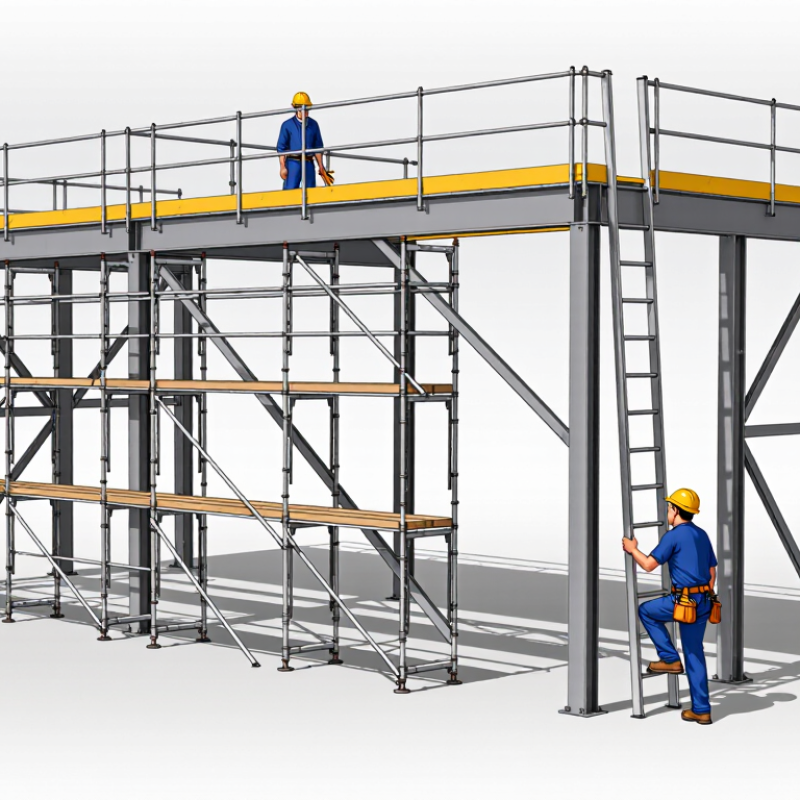
A Scaffolding Ladder provides a route onto and between working levels of a scaffold. Depending on the system, it may be an internal ladder fitted within the scaffold or a separate access ladder secured for entry. Workers use it to reach a platform, carry small tools, and move between levels without climbing the frame. It is not a work platform. That distinction matters.

On a typical site, a worker may climb from firm ground through a designated access opening, holding the rungs and keeping three points of contact where practical. The ladder should match the scaffold system and be installed as its manufacturer directs. A loose ladder, blocked opening, or damaged rung can turn an ordinary climb into a serious fall. Small details matter.

Before use, check that the ladder is secure, undamaged, and clear of mud, paint, or stored materials. Confirm that the access point opens onto a properly guarded platform, and follow the site’s inspection and load procedures. Never treat cross-braces as rungs. Some sites use stair towers instead, especially where frequent movement or carrying equipment makes ladder access awkward. The right choice depends on the scaffold design, task, and workers’ needs. Even a careful check cannot fix a poor setup, so stop and report anything unstable or unclear. A ladder helps people reach the work safely; it does not make the scaffold itself safe.
What Is a Scaffolding Ladder Used For?

What a Scaffolding Ladder Is and How It Fits Into a Scaffold System

What Is a Scaffolding Ladder Used For?
What a Scaffolding Ladder Is and How It Fits Into a Scaffold System

A scaffolding ladder provides a planned route between the ground, scaffold levels, and work platforms. It may be built into the scaffold or attached as a separate access ladder. It is not a platform or a brace. That distinction matters. A complete scaffold system also needs stable supports, secured connections, and protected platform edges.

OSHA’s scaffolding guidance cites estimates that about 2.3 million construction workers frequently work on scaffolds. It also estimates that better protection could prevent 4,500 injuries and 50 deaths each year. These figures show why access deserves careful attention. OSHA’s construction standard requires a safe access method when a scaffold platform is more than two feet above or below the access point. Cross braces are not an acceptable substitute for access.

On site, check that the ladder is firmly secured and reaches the intended landing. Keep the rungs clear of mud, dust, and loose offcuts; even a small obstruction can catch a boot. Workers should climb facing the ladder and keep their hands free, using a hoist or another suitable method for materials. Details vary between scaffold layouts, so the access arrangement must suit the actual structure. It is easy to treat the ladder as an afterthought. That can be a costly oversight.

What Is a Scaffolding Ladder Used For?

A scaffolding ladder provides access between the ground and a scaffold platform, or between platform levels. When a portable ladder is used to reach an upper landing, OSHA requires its side rails to extend at least 3 feet above that landing.

How it fits: The ladder is an access component, not a work platform. Secure it against displacement and keep the access route clear. If the ladder cannot extend 3 feet above the landing, OSHA requires it to be secured and a grasping device, such as a grabrail, to be provided.

Reference: OSHA 29 CFR 1926.1053(b)(1), portable ladders used to access an upper landing.

How a Scaffolding Ladder Provides Access Between Work Levels

A scaffolding ladder provides a route between working levels when crews need to move from the ground to a platform or between scaffold lifts. Its position matters: workers should be able to step onto the landing without reaching across a gap or twisting around a frame. A well-planned access point makes routine movement steadier. Small details count.

The ladder may sit inside the scaffold bay or attach to its outside, depending on the scaffold design and site plan. It should be secured and suited to the height and access arrangement. At the landing, a protected opening helps reduce the chance of a misstep. Workers should climb facing the ladder, keep their hands available for support, and raise tools separately when practical. Never use cross-braces as a shortcut between levels.

Before use, check for loose connections, damaged rungs, mud, ice, or anything that could make footing unreliable. Confirm that the ladder reaches the intended landing and does not shift under normal use. Requirements vary by ladder type and setup, so follow the scaffold instructions and site procedures. It is easy to focus on the climb itself; the step onto the platform deserves equal attention.

Common Tasks and Settings That Use Scaffolding Ladders

Scaffolding ladders provide access to elevated work platforms and help workers move between scaffold levels. They are common on building sites where crews lay bricks, install siding, repair walls, or paint high ceilings. A mason may climb up with a small hand tool, then work from a stable platform rather than stretching from a ladder. Bulky materials should be lifted separately, not carried while climbing.

Maintenance teams use them for tasks such as replacing exterior fixtures, cleaning building façades, and inspecting gutters. Indoors, they can help reach overhead pipes, lighting, or ceiling panels in warehouses and large rooms. The right setup depends on the scaffold system, the work height, and the surface beneath it. Small details matter.

The ladder should be secured and used according to the scaffold maker’s instructions. Workers should check for loose fittings, damage, and slippery rungs before climbing. Access ladders are not a substitute for guardrails or a properly arranged work platform. A rushed setup can look convincing, which is exactly why a second check helps. Never assume that a ladder that fits will also be safe.

What Is a Scaffolding Ladder Used For? Common Tasks and Settings

Task or Use Typical Setting How the Ladder Helps Practical Considerations
Accessing a scaffold platform Construction sites, building maintenance, and renovation projects Provides a route between the ground and a working level, or between scaffold levels, when the scaffold is designed for ladder access. Use an access method suitable for the scaffold system. Secure the ladder and keep the access point clear; follow site rules and applicable safety requirements.
Painting and surface preparation Interior and exterior refurbishment Allows workers to reach a scaffold platform where they can prepare, paint, or finish walls and ceilings. Arrange materials to avoid blocking the ladder or platform. Do not overreach; reposition the access equipment when needed.
Masonry and façade work Brickwork, repointing, and exterior repairs Supports access to scaffold levels used for work on walls, façades, and other elevated surfaces. Keep heavy materials within the scaffold’s rated capacity and use designated material-handling arrangements rather than carrying bulky loads while climbing.
Installing fixtures and building components Construction, fit-outs, and building services work Provides access to a platform for tasks such as fitting trim, lights, ducts, or other components at height. Plan the task so workers can climb with their hands free where possible, and keep tools and materials secured against falling.
Inspection and routine maintenance Commercial buildings, industrial facilities, and public infrastructure Enables access to scaffold platforms for checking, cleaning, or maintaining elevated surfaces and equipment. Inspect the ladder and scaffold before use. Stop work and report defects, unstable footing, or unsafe access conditions.
Temporary access during repair work Roof edges, building exteriors, and other short-term work areas Can provide access to a properly assembled scaffold when a stable, guarded work platform is needed. A ladder is for access, not a substitute for a properly built scaffold platform. Do not use a ladder that is damaged, unsecured, or unsuitable for the setup.

Safety note: The correct ladder type and setup depend on the scaffold design, work conditions, and local regulations. Follow the manufacturer’s instructions and site safety procedures, and use a suitable alternative access system when ladder access is not permitted or safe.

Design Features That Support Stability and Ease of Use

A scaffolding ladder provides a stable route between a work platform and the ground or another level. Its design matters most when workers climb with tools or move through a narrow scaffold bay. Wide, evenly spaced rungs give boots a predictable place to land. Textured or shaped surfaces can improve grip, especially when dust makes smooth metal feel slick. Small details matter. Rounded edges and clear handholds can make repeated climbs less tiring.

Stability depends on more than the rungs. Strong side rails resist flex, while secure hooks or fittings help keep the ladder aligned with the scaffold. A close, firm connection reduces unwanted movement, but workers should still check that the ladder is correctly seated before climbing. The ladder should not block the platform or force awkward steps at the top. No setup is perfect. Even a well-designed ladder may feel cramped beside braces, so fit and access need checking on the actual scaffold. Inspect for loose fittings, bent rails, worn surfaces, or damaged rungs, and follow the maker’s installation guidance. A brief check can reveal a problem that is easy to miss from below.

Safe Setup, Climbing, and Inspection Practices

What Is a Scaffolding Ladder Used For? Safe Setup, Climbing, and Inspection Practices

A scaffolding ladder provides a controlled route between the ground and scaffold platforms. Before climbing, check that the scaffold stands on firm, level footing and that its access ladder is secured. Keep ladder access clear of tools, cords, and loose materials. A small obstruction can become a serious hazard when someone is carrying equipment.

OSHA requires safe access when a scaffold platform is more than two feet above or below the access point; ladders are one permitted method (29 CFR 1926.451(e)). Climb facing the ladder, keep three points of contact, and carry tools in a belt or hoist them separately. Never climb cross braces. They may look like steps, but they are not designed for access. Take your time.

Before each work shift, a competent person must inspect the scaffold, and an inspection is also required after an event that could affect its structural integrity (29 CFR 1926.451(f)). Look for loose ladder connections, damaged rungs, shifting base plates, and platforms blocked by debris. A checklist helps, but it can miss a subtle movement or a repair that changed the setup. If anything feels unstable, stop and get it checked before climbing.

FAQS

What is a scaffolding ladder used for?

It provides a planned route between the ground, scaffold levels, and work platforms. It is for access, not support.

Can scaffold cross braces be used as a ladder?

No. Cross braces are not a suitable access route. Use an arranged access ladder instead.

When should workers check the ladder?

Before climbing, look for damage, loose fittings, and slippery or obstructed rungs. Mud and small wood offcuts can catch a boot.

How should a scaffolding ladder be secured?

Secure it firmly and make sure it reaches the intended landing. Follow the instructions for the scaffold setup.

What should workers carry while climbing?

Keep hands free and face the ladder. Lift bulky materials separately with a suitable method.

Which jobs commonly use scaffolding ladders?

Crews use them for bricklaying, painting, siding, wall repairs, and façade maintenance. They also help reach pipes and ceiling panels indoors.

Does a ladder replace guardrails or a work platform?

No. The ladder provides access; it does not replace platform protection or a properly arranged work area.

Is a ladder safe just because it fits?

Not necessarily. Check the surface, fittings, rungs, and landing. A quick second look can catch what the first one missed.

Conclusion

A Scaffolding Ladder is a purpose-built access component within a scaffold system, helping workers move between platforms or work levels. Unlike a general-purpose ladder, it is selected to suit the scaffold’s layout and the height workers need to reach. It can support access during tasks such as construction, maintenance, and repair, where tools and materials may need to be handled across elevated work areas.

Stability and ease of use depend on features such as secure attachment points, suitable rungs, and a design that fits the scaffold structure. Before use, check that the ladder is correctly positioned and secured, and inspect it for damage or loose connections. Climb carefully, maintain a steady grip, and avoid carrying items in a way that affects balance. Regular checks and safe setup help make access between scaffold levels more reliable.


Charlotte

Charlotte

Charlotte is a seasoned marketing professional with a deep understanding of the company's portfolio and a passion for elevating its presence in the market. With a keen eye for detail and a commitment to excellence, she ensures that our professional blog is regularly updated with insightful articles......