What Is a Scaffolding Main Frame Used For?

Time:2026-11-17 Author:Mason
0%

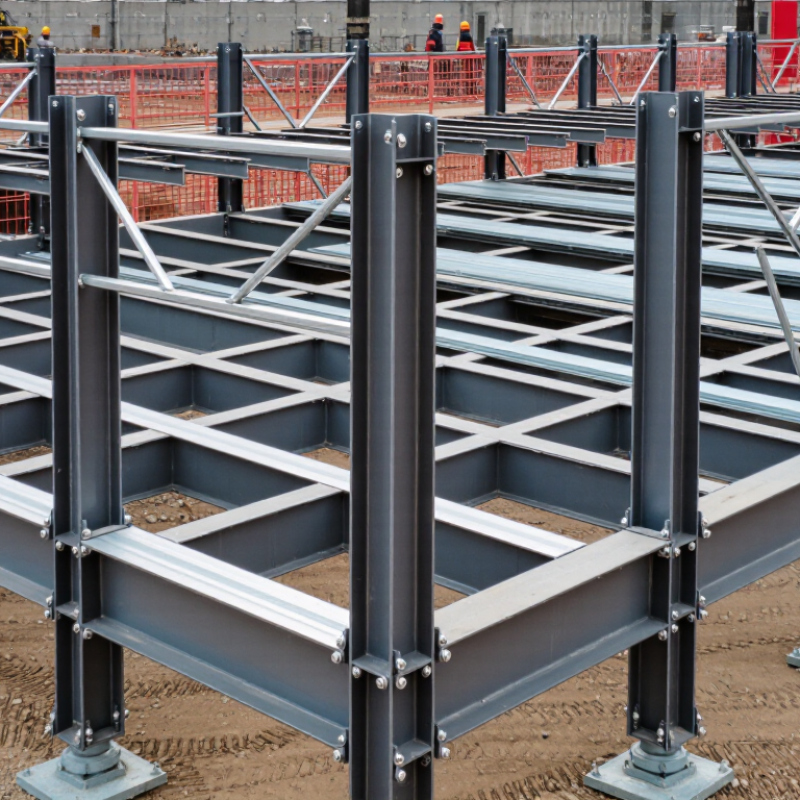
A Scaffolding Main Frame is the upright backbone of many frame scaffold systems. Its paired standards, horizontal members, and connecting points create a stable structure for working platforms. On a busy site, that can mean a mason’s tools, stacked materials, and workers moving between levels. Small details matter. A loose coupling or uneven base can undermine the whole setup.

The frame is used to support scaffold bays, help distribute loads, and provide connection points for braces, cross braces, and platforms. It is not a complete scaffold by itself. Safe performance depends on compatible components, sound assembly, suitable foundations, and regular inspection. A frame may look sturdy and still be poorly installed. That is worth remembering.

A clear expert quotation cannot be responsibly attributed without a verifiable source, so I will not invent one. This introduction can instead follow a practical principle: “A frame supports the system; correct setup makes it dependable.” That sentence is original wording, not a quotation from a named expert. The sections ahead can explain how main frames work, where they are used, and what to check before use. Details vary by design. The manufacturer’s instructions should guide selection and assembly.
What Is a Scaffolding Main Frame Used For?

What a Scaffolding Main Frame Is

A scaffolding main frame is a rigid, upright section that forms the basic shape of a supported scaffold. It is commonly made from steel tubes joined into two vertical sides and horizontal crosspieces. Many walk-through frames have an open center, allowing workers to pass through or use built-in access features. Exact designs vary by scaffold system.

Frames are connected vertically and stabilized with braces, pins, or other compatible components. Together, these parts create a structure for supporting platforms and distributing loads to the base. A main frame is not a complete scaffold by itself, and it should not be treated as a work platform. The frame’s condition, connections, footing, and load limits all matter.

That distinction matters. A bent tube or missing locking pin can affect stability, even when the frame appears upright.

Tips: Check frames for cracks, deformation, corrosion, and loose connections before assembly. Use only compatible parts, and follow the system’s instructions and site-specific safety procedures. If a frame rocks on firm-looking ground, stop and reassess the base rather than forcing the connection.

How a Main Frame Supports a Scaffold

A scaffolding main frame forms the vertical structure that supports the working platform and connects one scaffold level to another. Its uprights carry loads downward, while horizontal members and cross braces help keep the frame square. The platform sits on the supporting members, not on an unsecured edge. Simple, but important.

Picture a worker stepping onto a platform with a bucket of tools. The load travels through the platform supports, into the frames, and down to base plates or screw jacks. Those supports need a firm, level footing. If the ground settles or a frame leans, the scaffold can shift. Small movement matters.

Frames also rely on secure connections, correctly fitted braces, and suitable ties where the scaffold design requires them. Workers should check for bent members, loose locking pins, and missing braces before use. Follow the scaffold manufacturer’s instructions and have a competent person inspect the setup. In practice, a frame can look solid while one small connection is not fully seated. That is easy to overlook, and worth checking twice.

Where Scaffolding Main Frames Are Used

What Is a Scaffolding Main Frame Used For?
Where Scaffolding Main Frames Are Used

Scaffolding main frames create the upright structure that supports platforms, workers, and tools. They are commonly used on building façades for brickwork, painting, window repairs, and exterior insulation. On renovation sites, frames can provide access to narrow work areas beside walls or above entrances. They also appear in industrial maintenance, where crews need temporary access to pipes, tanks, or high equipment. The exact setup depends on the ground, working height, and expected load. A firm-looking surface is not always stable enough.

OSHA’s scaffolding guidance estimates that scaffolding accidents cause about 4,500 injuries and 60 deaths each year in the United States. That makes correct assembly and inspection essential, not optional. A frame is only one part of the system; braces, platforms, access points, and guardrails must work together. Small details matter.

Tips: Check that frames sit level on suitable base plates, and inspect connections before each shift. Keep materials evenly distributed across the platform. Avoid stacking heavy supplies in one spot. One point worth reconsidering: familiar setups can encourage rushed checks, especially on short jobs. Take a moment to look for loose pins, damaged members, and soft ground before anyone climbs.

What Is a Scaffolding Main Frame Used For? - Where Scaffolding Main Frames Are Used

Work Area Typical Task How Main Frames Are Used Common Supporting Components Key Considerations
Building façades Brickwork, painting, cladding, and exterior repairs Form the vertical end sections of a frame scaffold and support the scaffold bays and working platforms. Cross braces, platform units, guardrails, base plates, and wall ties where required Provide a firm, level base; install bracing and ties according to the scaffold design and site conditions.
Masonry and blockwork Laying materials and accessing elevated sections of a wall Create repeated bays that provide access and support for properly selected platforms and scaffold components. Frames, cross braces, platform units, guardrails, and suitable access equipment The scaffold must be designed for the intended loads; do not exceed the rated capacity of any component or platform.
Interior ceilings and walls Electrical, mechanical, painting, and finishing work Assemble into a freestanding or appropriately restrained frame scaffold to provide elevated work access. Frames, braces, platforms, guardrails, and base plates or approved casters where applicable Check floor capacity, overhead obstructions, scaffold stability, and caster locking arrangements if a mobile setup is permitted.
Industrial facilities Inspection, cleaning, and maintenance around equipment or structures Provide modular vertical supports that can be assembled into access bays suited to the work area. Frames, braces, platforms, guardrails, and designed ties or stabilizers Account for nearby machinery, process hazards, restricted access, and any site-specific load or clearance limits.
Short-term access towers Localized repairs, inspections, or installation work Stack or connect compatible frames to build the tower configuration specified for the system. Compatible frame connections, braces, platforms, guardrails, and base components Use only compatible components and follow the system instructions for connections, height limits, and stabilization.

A scaffolding main frame is a primary vertical frame component in a frame scaffold system. It supports scaffold bays and works with braces, platforms, and other components; it is not a substitute for required bracing, ties, or a safe access system. Frame dimensions, allowable loads, and permitted configurations vary by system, so follow the manufacturer’s instructions, the scaffold design, and applicable local safety requirements.

How Main Frames Connect to Other Scaffold Components

A scaffolding main frame forms the vertical structure of a supported scaffold bay. Its paired uprights connect to frames above through coupling pins, while diagonal cross braces link neighboring frames and resist sway. Base plates or adjustable screw jacks sit beneath the legs, spreading loads onto a firm, level surface. Bearers and platforms rest across the frames; guardrails attach at platform level. Each connection matters. A partly seated pin may look secure but can loosen as the scaffold shifts.

OSHA’s Scaffolding eTool estimates that scaffold accidents cause about 4,500 injuries and 50 deaths each year. OSHA standard 29 CFR 1926.451(a)(1) requires scaffolds to support their own weight and at least four times their maximum intended load. That capacity depends on the complete, properly connected assembly—not the frame alone. It is tempting to focus on sturdy steel, yet poor bracing or uneven footing can undermine the whole bay.

Tips: Before use, check that pins are fully seated, braces are installed, and screw jacks rest on stable footing. Confirm components fit together as designed; similar-looking parts are not always interchangeable. When a connection feels uncertain, stop and have a qualified person inspect it.

How the main frame connects: In this illustrative single-bay setup, two main frames are held apart by cross braces, support a working platform and guardrails, and can be joined to another lift with stacking pins. Component quantities and connection details vary by scaffold system; follow the manufacturer’s instructions and applicable safety requirements.

Safety Considerations When Using a Main Frame

What Is a Scaffolding Main Frame Used For?
Safety Considerations When Using a Main Frame

A scaffolding main frame forms the upright structure that supports platforms and connects with braces and other scaffold components. Its stability depends on correct assembly, sound ground, and compatible parts. Set frames on firm, level surfaces with suitable base plates or adjustable screw jacks. Check that frames are plumb and braces are fully secured before anyone climbs. Small details matter.

Inspect each frame before use. Look for bent tubing, cracked welds, damaged locking pins, and loose connections. Remove questionable parts from service; do not straighten or repair them on site unless an approved procedure allows it. Install platforms, guardrails, and access components as specified for the scaffold system. Never guess. Follow the manufacturer’s instructions and your site’s safety procedures, and have a competent person assess the setup and its load limits.

Tips: Keep the work area clear, secure access ladders, and avoid climbing cross braces. Recheck the scaffold after strong winds, impact, or any change to its setup. I have seen small omissions slow a job down, and it is easy to overlook a pin when people are waiting to start. Pause and check.

FAQS

What is a scaffolding main frame used for?

It forms the upright structure that supports scaffold platforms, workers, and tools. You may see it beside a brick wall or above an entrance.

Where are main frames commonly used?

They provide access for façade repairs, painting, brickwork, and exterior insulation. Crews also use them near industrial pipes, tanks, and elevated equipment.

How do main frames connect to other scaffold parts?

Coupling pins connect frames vertically, while diagonal braces link neighboring frames. Platforms and bearers rest across the frames, with guardrails fitted at platform level.

What should main frames rest on?

Place the legs on suitable base plates or adjustable screw jacks over firm, level ground. Soft soil can shift, even when it looks solid.

How can workers check frame connections?

Check that pins are fully seated and braces are installed. Look for loose pins or damaged members before each shift. Small details matter.

Can similar-looking scaffold parts be used interchangeably?

Not necessarily. Components may look alike but fit differently. Confirm that parts are designed to work together, and ask a qualified person if a connection seems uncertain.

How should materials be placed on a scaffold platform?

Spread materials evenly across the platform. Avoid piling heavy supplies in one spot, such as a stack of bricks beside one frame.

Why inspect the whole scaffold instead of just its frames?

The frame works with braces, platforms, access points, and guardrails. A strong-looking frame cannot compensate for poor bracing or uneven footing. Easy to miss.

Conclusion

A Scaffolding Main Frame is a primary vertical structure that forms the basic shape of many scaffold systems. It helps support working platforms and transfers loads through the scaffold to a stable base. By combining frames in a planned arrangement, workers can create access to different heights and provide a steady area for construction, maintenance, painting, or repair tasks.

Main frames connect with other scaffold components, such as cross braces, horizontal supports, platforms, and adjustable base supports, to create a secure structure. Their placement and connections should follow the scaffold design and the instructions for the equipment being used. Before work begins, check frames for damage, confirm that connections are properly secured, and ensure the scaffold stands on firm, level ground. Use suitable guardrails and access points, avoid overloading platforms, and have the structure inspected by a qualified person.


Mason

Mason

Mason is a seasoned marketing professional with a deep expertise in the company's offerings and a passion for driving brand awareness. With a strong background in digital marketing strategies, he has an innate ability to connect with diverse audiences and effectively communicate product benefits.......