Choosing the right sleeve coupler is crucial for effective machinery performance. The global sleeve coupler market is projected to grow significantly, driven by advancements in industrial automation. According to a recent report by Market Research Future, the market is expected to reach $1.5 billion by 2025. This reinforces the importance of selecting the correct sleeve coupler to enhance operational efficiency.
Expert insights are invaluable. James Anderson, a veteran in mechanical engineering, emphasizes the need for precision in selection. He states, "A sleeve coupler must match the application requirements precisely." His experience has shown that using an ill-fitting coupler can lead to equipment failure and costly downtime.
Understanding your technical needs is essential in this fast-evolving industry. The right sleeve coupler can vastly improve system reliability. Yet, many users overlook key specifications. This can lead to mistakes that affect project outcomes. Careful consideration of material, size, and compatibility is necessary. Engaging with experts and reliable data helps make informed choices.
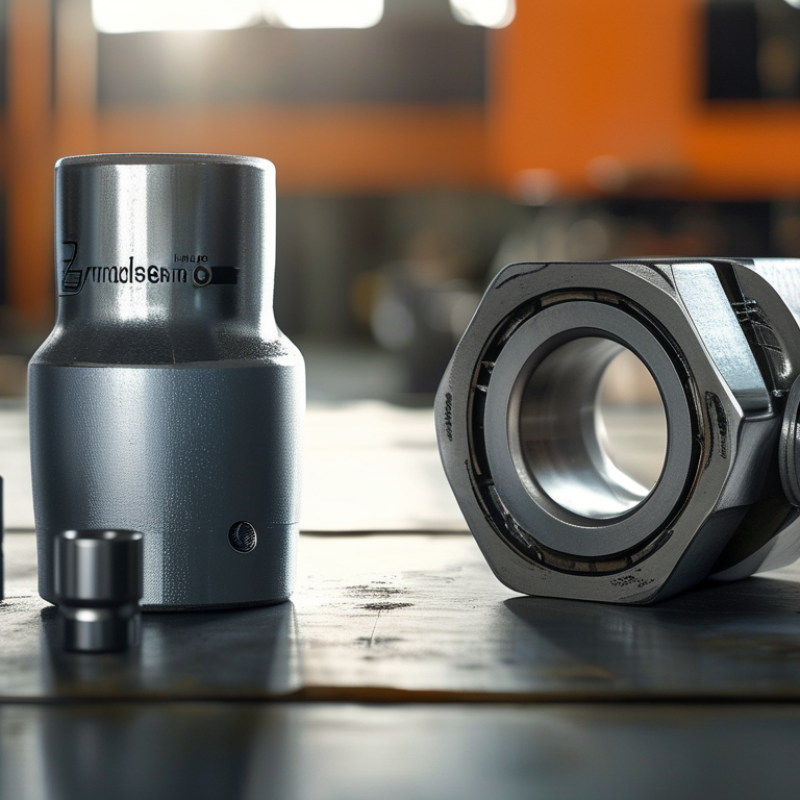
Sleeve couplers are essential components in mechanical systems. They connect two shafts, ensuring smooth power transmission. Different types of sleeve couplers serve various applications. Commonly, they include rigid, flexible, and adjustable couplers.
Rigid couplers provide a solid connection for applications requiring precise alignment. These work well in environments with minimal vibrations. On the other hand, flexible couplers can absorb misalignments. They are ideal for setups where components may not always align perfectly. Adjustable couplers allow for minor changes during installation, offering a versatile solution for different setups.
Selecting the right type involves understanding specific needs. Consider the environment, load requirements, and alignment issues. Each application brings unique challenges. Reflecting on these aspects can prevent future mechanical failures. Quality choices lead to better performance and longevity in equipment.
When selecting sleeve couplers, there are key factors to consider. First, assess the torque requirements for your application. High-torque situations may need robust materials. Ensure the coupler can withstand the expected forces without failure. Understanding the specific demands of your project is crucial.
Next, focus on the bore size. The coupler must fit snugly on your shafts. A poor fit can lead to misalignment and vibrations. This can create unforeseen challenges down the line. Consider the environment in which the coupler will function. Exposure to heat, moisture, or chemicals can impact performance.
Finally, don’t overlook the ease of installation. Some couplers are more complex than others. A complicated setup might require additional tools or skills. This can lead to increased time and costs. Reflect on the long-term reliability and maintenance needs. A simple coupler can save time and resources over the project’s lifespan.
Choosing the right sleeve coupler involves understanding material options available. Common materials include aluminum, steel, and plastic, each offering unique benefits and drawbacks. Steel provides high strength and durability, making it suitable for heavy loads and rugged conditions. However, it may be heavier than alternatives, which could be a drawback for certain applications.
Aluminum couplers are lighter and resistant to corrosion. They work well in environments where weight is a concern. Yet, aluminum might not withstand as much stress as steel. Plastic materials are often used for lighter applications. They can be less expensive, but durability can be a significant concern.
Consider the environment where the coupler will be used. Will it face extreme temperatures, moisture, or corrosive substances? Think about the trade-offs between weight, strength, and cost. Choosing incorrectly can lead to failures, which are costly. Assessing these factors ensures a reliable solution that meets specific needs effectively.
Choosing the right sleeve coupler requires careful consideration of load capacity and performance needs. Recent industry reports indicate that couplers must handle specific torque levels determined by their application. For heavy machinery, a coupler might need to endure over 500 Nm of torque. Matching specifications to usage is crucial.
Tip: Assess your machinery's maximum load. Overlooking this can lead to equipment failure.
Performance requirements also include vibration and noise reduction. Some applications may need couplers that absorb shocks. Vibration dampening is vital for prolonging the lifespan of machine components. Be aware that mismatched couplers can produce excessive noise, disrupting operations.
Tip: Balance performance with durability. Frequent replacements are costly and disruptive.
In addition, environmental factors like temperature and humidity can affect coupler performance. Extreme conditions will require more robust designs. Seek advice from industry experts who understand these intricacies. Remember, what works for one scenario may not be suitable for another. Every choice should reflect informed judgment based on reliable data and specialized knowledge.
When considering sleeve couplers, installation and maintenance are crucial. Proper setup ensures efficiency and longevity. According to industry reports, incorrect installation can lead to a failure rate of up to 35%. Thus, it's vital to follow guidelines closely.
Ensure surface cleaning before installation. Dirt or debris can compromise the connection. Use appropriate tools for tight fittings. A torque wrench may be necessary for correct tensioning. Check for leaks after installation. This proactive step can save time and resources.
For maintenance, inspect sleeve couplers regularly. Look for wear, corrosion, or cracks. Studies suggest that regular checks reduce failure risks by 25%. Lubrication can also extend the life of your couplers. While many ignore maintenance schedules, this can lead to costly repairs down the line.
| Dimension | Material | Load Capacity (lbs) | Temperature Range (°F) | Installation Method | Maintenance Frequency |
|---|---|---|---|---|---|
| 1 inch | Steel | 1000 | -20 to 200 | Screw Installation | Annually |
| 2 inch | Aluminum | 1500 | -40 to 250 | Press Fit | Semi-Annually |
| 3 inch | Brass | 2000 | 0 to 300 | Welded | Quarterly |
| 4 inch | Plastic | 800 | -10 to 150 | Snap Fit | Bi-Annually |
| 5 inch | Stainless Steel | 2500 | -50 to 400 | Bolt-On | Monthly |
: Consider torque requirements, bore size, environmental conditions, and installation ease.
A snug fit prevents misalignment and vibrations, reducing performance issues later.
Common materials include aluminum, steel, and plastic, each with its advantages and disadvantages.
Exposure to heat, moisture, or chemicals can influence durability and effectiveness.
Assess your machinery's specifications; couplers may need to manage over 500 Nm of torque for heavy loads.
Poor vibration management can lead to noise and shorten the lifespan of machine components.
Weigh factors like weight, strength, and cost, as mistakes can lead to costly failures.
Choose couplers that are easier to install to save time and resources during setup.
Re-evaluate your specifications and load requirements; mismatched couplers may be the cause.
Yes, consulting with professionals can provide insights on specific needs and environmental factors.
When selecting the right sleeve coupler for your project, it's essential to understand the different types and their specific applications. Sleeve couplers play a crucial role in connecting components and ensuring efficient operation in various mechanical systems. Key factors to consider include the load capacity, performance requirements, and material choices, as these will impact the longevity and reliability of the coupler.
Moreover, proper installation and routine maintenance are vital for the optimal performance of sleeve couplers. By assessing these factors carefully, you can ensure that you select a sleeve coupler that meets your needs effectively, providing a durable and high-performing connection in your applications.

AJ Metal