In construction and woodworking projects, precision and stability are paramount. The Board Retaining Clamp is an essential tool that enhances both aspects. This clamp ensures that your boards remain securely in place during cutting, drilling, and assembly. It aids in delivering clean, accurate results.
Utilizing the Board Retaining Clamp can prevent common mistakes. Stability is crucial when working with various materials. A reliable clamp holds your workpiece steady, allowing your focus to shift to craftsmanship. Inconsistent clamping, however, can lead to misalignment and compromised outcomes.
Moreover, these clamps are versatile. They can be adjusted to accommodate different board sizes and shapes, making them suitable for various projects. While they are easy to use, proper technique is vital for the best results. Mistakes may happen, but learning from them enhances efficiency. Emphasizing precision with the Board Retaining Clamp can lead to quality outcomes.
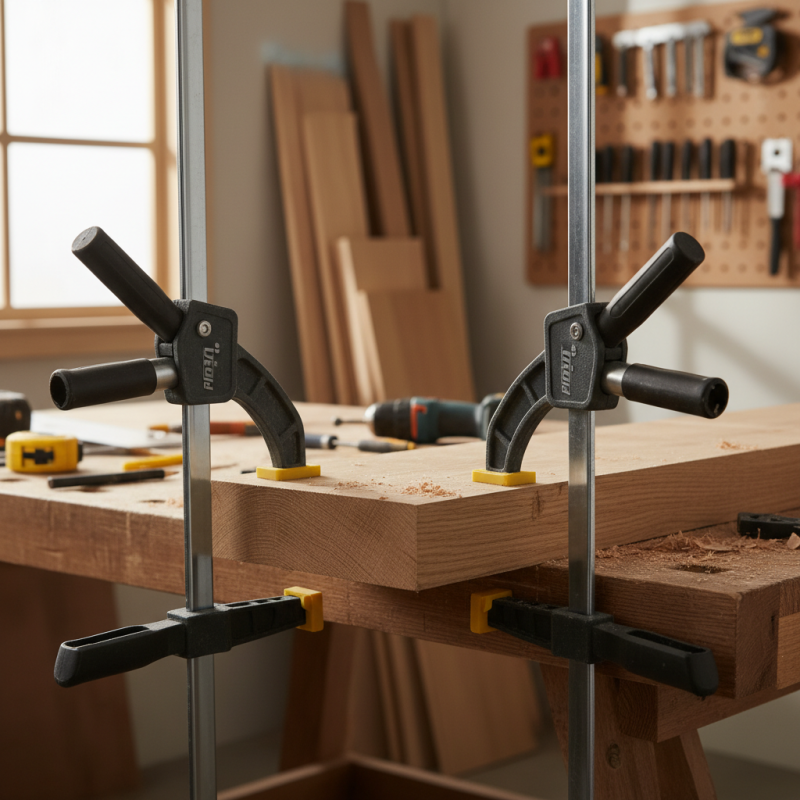
Board retaining clamps serve as essential tools in construction projects. They provide strong support and stability for various materials. These clamps ensure precise alignment during the assembly process. A well-positioned clamp can make a significant difference in the final outcome.
The advantages of using board retaining clamps extend beyond simple support. They enhance safety on the job site. By securing materials firmly, these clamps reduce the risk of accidents. Moreover, they enable greater efficiency. Workers can focus on their tasks without constant adjustments.
However, not all clamps are perfect. Sometimes, the fit may not be ideal, leading to repositioning. This can extend project timelines. It's crucial to select clamps that match specific needs. Understanding their limitations is just as important as acknowledging their strengths. The right choice can improve both quality and productivity in construction projects.
| Benefit | Description | Impact on Project |
|---|---|---|
| Increased Stability | Keeps boards securely in place during construction. | Reduces the risk of accidents and material misalignment. |
| Enhanced Efficiency | Speeds up the installation process by facilitating easy handling of boards. | Decreases overall project time and labor costs. |
| Versatility | Suitable for various sizes and types of boards. | Provides adaptability to different project requirements. |
| Durability | Made from high-quality materials that resist wear and tear. | Ensures long-term reliability and cost savings. |
| Improved Safety | Minimizes the chance of boards slipping or falling. | Promotes a safer working environment for all personnel. |
Retaining clamps play a pivotal role in ensuring project accuracy. They effectively secure materials in place, eliminating movement during cutting or machining. This stability allows for precise measurements and consistent results, which are crucial in any project. Even a slight misalignment can lead to significant errors, affecting the overall quality.
Using retaining clamps also enhances workflow. Workers can focus on their tasks without worrying about shifting materials. This not only improves efficiency but also reduces the potential for mistakes. The simple act of applying clamps can save hours of rework, making your project timeline more reliable.
Yet, it’s important to remember that proper clamp placement is essential. Poorly positioned clamps can create stress points or even damage materials, leading to frustration. Regular reflection on your techniques can yield better outcomes and reinforce the importance of these tools in enhancing project precision.
In project management, retaining clamps play a crucial role in enhancing cost-effectiveness. These clamps significantly reduce waste, leading to lower material costs. According to industry reports, companies that utilize such clamps can decrease material wastage by up to 30%. This reduction translates into substantial savings over time. Efficient use of materials ensures that funds are not squandered, allowing resources to be allocated to other critical areas.
Labor costs also see a marked reduction when retaining clamps are employed. A study indicated that projects using these clamps experienced a decrease in labor hours by about 20%. This efficiency stems from the ease of use and quick setup of clamps, which minimizes delays in project timelines. Moreover, less labor required means fewer risks of errors, enhancing overall project reliability.
However, there is a need to reflect on a potential drawback. While retaining clamps save materials and labor, incorrect usage can lead to structural failures. Ensuring workers are trained is vital. Developing an understanding of clamp specifications is essential for optimal results. Without proper training, benefits may not be fully realized. Balancing training with the use of these clamps is crucial for achieving maximum cost-effectiveness in any project.
Durability and reliability are crucial when it comes to board retaining clamps. These components must withstand significant stress and vibration in various applications. A clamp that meets industry standards ensures consistent performance. Engineers rely on these clamps for robust structural support during fabrication and assembly.
Tips: Always check for corrosion resistance. Proper material selection can enhance the lifespan of your clamps significantly. Choosing clamps that maintain their grip under extreme temperatures can also avoid costly project delays.
It's essential to assess different materials and designs. Not all clamps are created equal. Some may fail under pressure, leading to disastrous results. Regular inspections can prevent these failures. Keep an eye on wear and tear in long-term projects.
Tips: Consider a proactive maintenance schedule. Regularly testing the clamps can help identify potential failures early. It’s better to address issues now than to face setbacks later.
Retaining clamps are essential tools across various industries. Their versatility allows for effective clamping in woodworking, metalworking, and construction projects. These clamps securely hold materials in place, ensuring precision and stability during fabrication. In woodworking, they help achieve clean joints and seams. In metalworking, they provide the needed grip for welding and assembly tasks.
Using retaining clamps can improve workflow efficiency. Consider using clamps with adjustable pressure settings for different materials. This feature allows for sensitive work on softer substrates. Always assess the surface being clamped. Over-tightening can damage workpieces, leading to wasted resources. Experiment with different clamp sizes to find the best fit for your specific needs.
Visualize the potential of retaining clamps in automotive applications too. They support engine assembly and bodywork by holding components steadily during repairs. Utilize clamps to organize tools and materials efficiently on job sites. Misplacement can cause delays, so a little organization goes a long way. Remember, while retaining clamps are reliable, choosing the right tool for the job requires careful consideration.
: They provide support and stability for materials during assembly, ensuring precise alignment.
They secure materials firmly, reducing the risk of accidents associated with unstable structures.
Yes, they allow workers to focus on tasks without frequent adjustments, speeding up the workflow.
They significantly reduce waste, potentially decreasing material costs by up to 30% in projects.
Indeed, they can reduce labor hours by about 20%, leading to savings and fewer error risks.
Yes, improper use can cause structural failures, emphasizing the need for proper training.
It's crucial to select clamps that match specific project needs for optimal results.
Very important; understanding the clamp specifications is essential to maximize their benefits.
Absolutely; selecting suitable clamps can enhance both construction quality and productivity.
Sometimes, the fit may not be ideal, requiring repositioning and potentially delaying projects.
Board Retaining Clamps offer numerous benefits that can significantly enhance construction projects. One of the main advantages is their ability to improve precision and accuracy. By securely holding boards in place, these clamps ensure that cuts and assemblies are executed with precision, resulting in better overall project quality. Additionally, they contribute to cost-effectiveness by minimizing waste and reducing labor costs, allowing projects to stay within budget.
Moreover, the durability and reliability of Board Retaining Clamps meet industry standards, making them a preferred choice in construction practices. Their versatility allows for applications across various industries, showcasing their adaptability to different project requirements. Overall, incorporating Board Retaining Clamps into your construction projects can lead to better outcomes and increased efficiency.

AJ Metal