In the bustling world of construction, the importance of reliable equipment cannot be overstated. Among these, the Scaffolding Fixed Clamp stands out as a vital component. This clamp secures scaffolding frameworks, ensuring safety and stability. With a diverse range of options available, global buyers face the challenge of selecting suitable products that meet stringent quality standards.
When choosing a Scaffolding Fixed Clamp, it is essential to consider several factors. Material quality, load capacity, and ease of installation significantly influence performance. Buyers must also be mindful of manufacturer reputation and compliance with safety regulations. Not all clamps are created equal; some may compromise safety for cost.
This article explores top choices for scaffolding clamps, highlighting key features, and potential pitfalls. Understanding the market can lead to informed decisions. The right clamp can enhance project safety and efficiency, ensuring both workers and structures remain secure. Your selection process is crucial; it may define project outcomes and establish long-term trust in your operations.
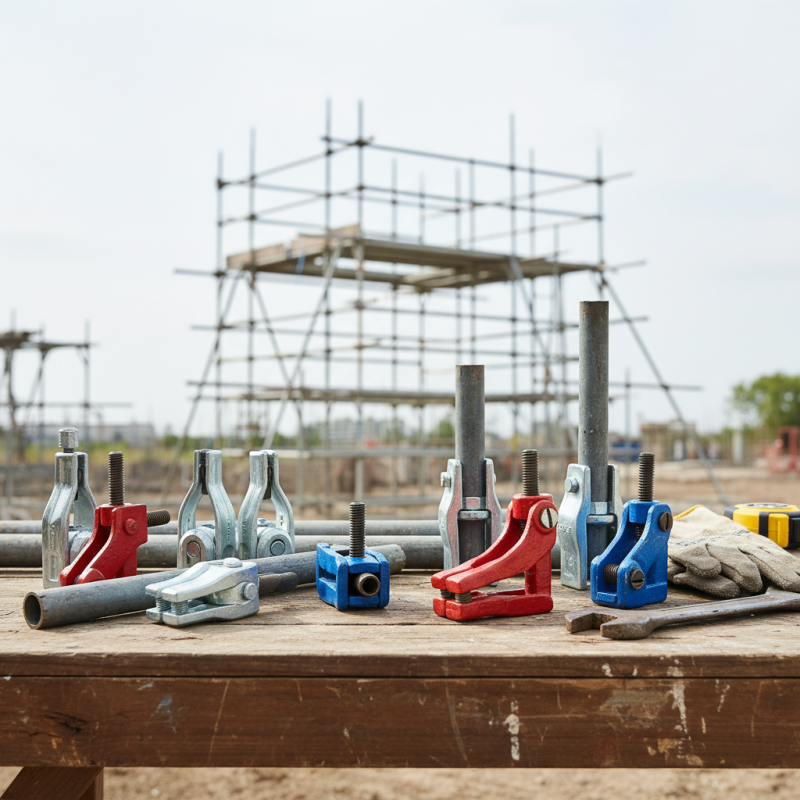
When considering scaffolding fixed clamps, several essential features come into play. The material used for clamps is crucial. High-quality steel offers durability and resistance to rust. This ensures that clamps can withstand harsh environments often found at construction sites. Buyers should assess the weight capacity of each clamp. A reliable clamp can support heavy loads without bending or breaking.
Another feature to examine is the ease of installation. Simplicity in design can save time during assembly. Quick-release mechanisms can enhance efficiency. Additionally, compatibility with various scaffolding systems is important. Clamps should fit well with standards and ledgers used in different setups.
Buyers often overlook the importance of surface treatment. A good clamp has a smooth finish, reducing wear on other components. An inadequate surface may lead to premature failures. Regularly inspect clamps for signs of wear and corrosion. Reflecting on these aspects will lead to better purchasing decisions. Quality clamps contribute significantly to safety on site.
Scaffolding fixed clamps play a crucial role in construction projects worldwide. These clamps provide essential support for various scaffold structures. They are available in several popular types, catering to different needs. Common styles include swivel clamps, fixed clamps, and drop-in clamps, each designed for specific applications.
Swivel clamps allow for angular adjustments, making them versatile. Fixed clamps, on the other hand, secure pipes in a stationary position. They are often preferred for simpler setups. Drop-in clamps provide ease of installation, ensuring that workers can assemble scaffolds quickly and safely. Each type addresses unique challenges faced by construction teams.
Tips for choosing the right clamp include assessing load requirements. Make sure to select clamps that can withstand the expected weight. Inspect each clamp for quality. Look for durable materials that resist corrosion. Regular maintenance is essential. Check for wear and tear regularly to ensure safety on-site. Consider both cost and reliability when making decisions.
| Clamp Type | Material | Load Capacity (kg) | Weight (kg) | Application |
|---|---|---|---|---|
| Fixed Clamp A | Steel | 1000 | 2.5 | General Scaffolding |
| Fixed Clamp B | Aluminum | 800 | 1.8 | Lightweight Applications |
| Fixed Clamp C | Steel | 1200 | 3.0 | Heavy Duty Scaffolding |
| Fixed Clamp D | Carbon Steel | 900 | 2.2 | Construction Sites |
| Fixed Clamp E | Galvanized Steel | 1100 | 2.8 | Outdoor Use |
When considering fixed clamps in scaffolding, material selection is crucial. The most common materials include steel and aluminum. Steel clamps offer high strength and durability. However, they can be prone to rusting. Galvanization can mitigate this issue, yet it requires ongoing maintenance. On the other hand, aluminum clamps are lighter but may lack the strength needed for heavy-duty applications. According to industry reports, steel clamps demonstrate a lifespan of around 10-15 years with proper care, while aluminum usually lasts 5-8 years.
Durability also hinges on the design of the fixed clamps. Designs that incorporate enhanced locking mechanisms show improved performance in high-stress environments. A study indicated that clamps with ergonomic designs reduced installation errors by 20%. Yet, the complexity in design can increase manufacturing costs, leading to compromises. Environmental factors can further affect durability. Exposure to harsh weather conditions accelerates wear.
Global buyers must weigh these aspects carefully. Many acquire scaffolding equipment without fully understanding long-term implications. Durability does not solely depend on materials; it intertwines with design and maintenance practices. Hence, investing in high-quality clamps may seem costly upfront, but could lead to savings over time. Buyers might overlook this relationship, which calls for a more thoughtful approach in procurement decisions.
Scaffolding fixed clamps play a crucial role in construction. They secure scaffolding components together, ensuring stability and safety on job sites. In 2022, the global scaffolding market was valued at approximately $60 billion, with fixed clamps accounting for a significant share. Their reliability cannot be overstated—they protect workers and streamline construction.
Leading manufacturers focus on quality materials and innovative designs. Many use high-strength steel to enhance durability. Some companies produce clamps that can withstand harsh weather conditions, increasing their lifespan. It's vital to consider the tensile strength and load-bearing capacity when selecting clamps for your projects.
When choosing scaffolding fixed clamps, look for trusted suppliers. Inspect product specifications thoroughly. Always verify that clamps meet industry safety standards. Small details can impact overall performance. Regular maintenance and checks are essential for maximizing equipment longevity. Avoid compromising on safety for cost savings; it can lead to serious risks on-site.
When selecting a fixed clamp for scaffolding, several factors come into play. Understanding the type of project is essential. Different projects may require specific clamp designs. The environment, load-bearing requirements, and duration of use are key considerations.
One tip is to assess the materials used in the clamp. Steel clamps offer durability, while aluminum provides lightweight options. Each material has its own advantages and disadvantages. Consider the conditions the clamp will face. Harsh environments demand high-quality materials. Pay attention to the coating as well. A good coating can enhance longevity.
Another vital aspect is compatibility. Ensure the clamp fits your scaffolding system perfectly. Mismatched components can compromise safety. Users often overlook dimensions, leading to frustration. Double-check measurements to avoid errors. Reviewing feedback from other users can provide valuable insights into performance. Trustworthy reviews help in making informed decisions.
: Fixed clamps secure scaffolding components, ensuring stability and worker safety on job sites. Their role is crucial.
Assess the project type and load requirements. Different designs suit various needs. Compatibility is key.
Steel offers durability, while aluminum is lighter. Each material has benefits and drawbacks. Choose based on conditions.
Product specifications impact performance significantly. Small details can lead to major safety issues, so inspect thoroughly.
Regular maintenance and checks are essential. Make sure clamps are correctly installed and kept in good condition.
Harsh environments demand high-quality materials. Coatings can enhance durability against elements like moisture and rust.
Yes, always verify that clamps meet industry safety standards. Compromising on safety can lead to serious risks.
Users often overlook dimensions and compatibility. Mismatched components can cause frustration and safety hazards.
Reviews provide valuable insights into real-world performance. Reading them can guide informed decisions when choosing clamps.
Cutting costs can lead to serious risks and performance issues. Safety should not be compromised for savings.
The article titled "Top Scaffolding Fixed Clamp Options for Global Buyers" provides a comprehensive overview of essential considerations for purchasing scaffolding fixed clamps. It begins by highlighting the key features buyers should look for, such as load capacity, material quality, and compatibility with different scaffolding systems. The narrative then moves on to discuss the popular types of scaffolding fixed clamps available worldwide, emphasizing their diverse applications in construction and maintenance.
Furthermore, the article presents a comparative analysis of materials used in fixed clamps, focusing on durability and performance under various conditions. It also identifies top manufacturers known for their reliable offerings in this market. To conclude, practical tips for selecting the right scaffolding fixed clamp for specific needs are provided, ensuring that buyers can make informed decisions to enhance the safety and efficiency of their scaffolding setups.

AJ Metal