Top Quality Frame Scaffold for Global Buyers?

Time:2026-05-05 Author:Liam
0%

In the construction industry, quality and reliability are paramount. Frame scaffold emerges as a critical component in safe and efficient building practices. This versatile equipment supports construction workers and materials, ensuring projects progress smoothly. For global buyers, the challenge lies in sourcing top-quality frame scaffold that meets rigorous safety standards.

Understanding the nuances of frame scaffold systems is essential for informed purchasing decisions. There are various types, each tailored for specific tasks. Buyers must evaluate production standards and supplier credibility. Durability and ease of assembly are key factors for success in demanding environments.

However, the global market is flooded with options, making it hard to choose. Some manufacturers may promise high quality but fail to deliver. This uncertainty calls for cautious evaluation. Trustworthy suppliers should have a proven track record. The right frame scaffold is an investment in safety, productivity, and long-term project success. An informed buyer is a successful buyer.
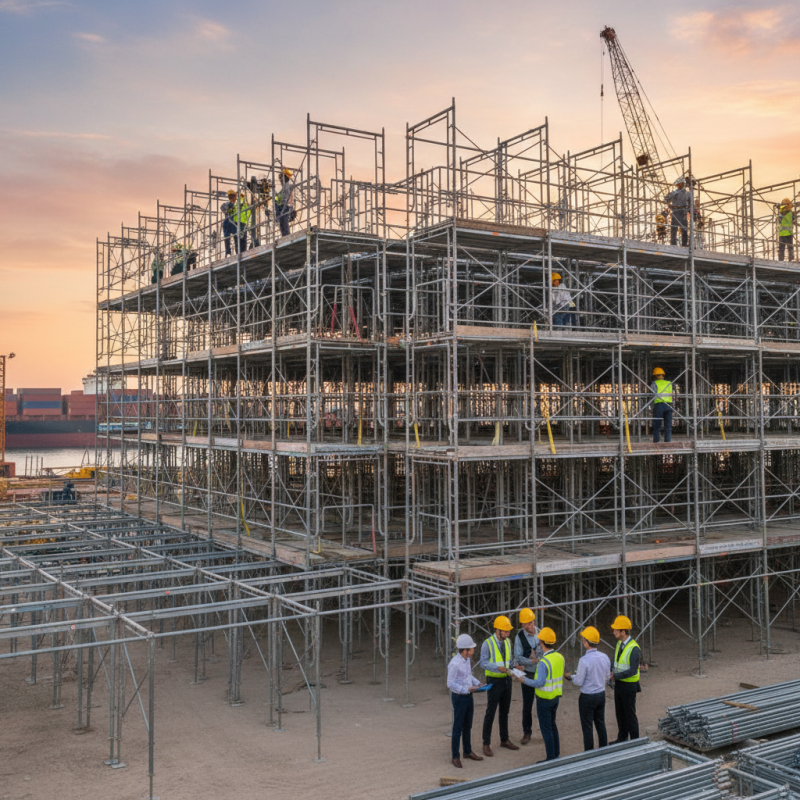
Top Quality Frame Scaffold for Global Buyers?

Understanding Frame Scaffold: An Overview for Global Buyers

Frame scaffolding has become a crucial aspect of construction projects worldwide. It provides a safe and stable platform for workers and materials. According to the Global Scaffolding Market Report, the frame scaffold industry is expected to grow at a CAGR of 6.5% from 2021 to 2026. This growth highlights the increasing demand for high-quality scaffolding solutions.

Understanding frame scaffold is vital for buyers. These systems consist of vertical and horizontal components constructed from steel or aluminum. Various configurations exist to meet specific project requirements. Factors such as load capacity, adaptability, and ease of assembly play a significant role in selecting the right scaffold system. Notably, frame scaffolds support loads ranging from 3,000 to 5,000 pounds, depending on design.

Despite the advancements in design and materials, some challenges remain. Users often face issues with assembly speed and stability under higher loads. Misalignment can lead to safety hazards, emphasizing the need for proper training. Regular inspections are necessary to ensure compliance with safety standards. As the construction industry evolves, addressing these challenges becomes essential for sustained growth and safety.

Top Quality Frame Scaffold for Global Buyers

Dimension Weight Capacity (lbs) Height (ft) Material Application
5' x 6' 1000 5 Steel Residential Construction
6' x 10' 1500 6 Aluminum Commercial Projects
4' x 8' 800 4 Steel Maintenance Work
8' x 12' 2000 8 Aluminum Industrial Projects
6' x 8' 1200 6 Steel Exterior Work

Key Factors to Consider When Selecting Quality Frame Scaffolding

When selecting quality frame scaffolding, several key factors stand out. The material of the scaffolding is crucial. Steel and aluminum offer durability, but weight is a concern. Lightweight options are easier to transport. Inspect for rust and wear. A small crack can lead to big issues.

Load capacity is also vital. Each scaffolding unit has its limits. Overloading can compromise safety. Check the specifications to match your project needs. Additionally, look for compliant safety features like guardrails and locking mechanisms. Their absence could spell disaster.

Ergonomics matter too. A design that allows for easy assembly saves time and reduces accidents. Consider how pieces fit together. Compatibility with existing equipment can enhance efficiency. However, not every scaffolding system suits every site. Take the time to think about the project environment and accessibility. This reflection can lead to better choices.

Comparative Analysis: Global Suppliers of Frame Scaffold Systems

When analyzing frame scaffold systems, it's essential to look at the performance of various global suppliers. According to industry reports, the demand for scaffold systems is projected to grow by 6.5% annually, reaching a market value of around $16 billion by 2026. This growth is primarily driven by increased construction activities worldwide. However, the quality and safety of scaffolding systems remain a critical concern.

Different suppliers employ various materials and design philosophies. For instance, aluminum scaffold systems are becoming popular due to their lightweight yet durable characteristics. On the other hand, steel remains a staple for heavy-duty applications. Industry professionals emphasize the importance of certifications, ensuring compliance with global safety standards. A recent survey indicated that nearly 75% of construction managers prioritize suppliers with reliable certifications and proven track records.

There's also a challenge in assessing performance metrics. While many suppliers claim superior load-bearing capacities, third-party testing is often lacking. Understanding the real-world application of these systems is vital. Not all products meet the rigors of extensive use, and some suppliers may struggle with consistency in quality. This places the onus on buyers to conduct thorough evaluations. Open discussions about supplier transparency and material sourcing could enhance buyer confidence.

Safety Standards and Compliance in Frame Scaffolding Industry

In the frame scaffolding industry, safety standards play a pivotal role. Compliance with these standards ensures the protection of workers on construction sites. Scaffolds must support loads and resist adverse environmental conditions. Regular inspections are essential to identify any signs of wear and tear. Often, overlooked areas present risks that could lead to accidents.

Training workers on safety protocols is equally vital. Educating them about proper assembly and dismantling procedures helps minimize hazards. Understanding load limits and proper anchoring techniques can prevent structural failures. Nevertheless, gaps in knowledge sometimes exist. Continuous education is necessary to keep pace with changing regulations.

The evolving landscape of safety standards requires companies to adapt. They must stay informed about national and international guidelines. This can be a challenge, yet it is crucial for maintaining compliance. Periodic audits can highlight areas needing improvement. Embracing a culture of safety not only protects lives but also enhances operational efficiency. Reflecting on existing practices can reveal hidden risks, prompting necessary adjustments.

Global Compliance of Frame Scaffolding Safety Standards

Trends and Innovations in Frame Scaffold Manufacturing for Global Markets

The frame scaffold industry has been evolving rapidly in response to global demands. Recent reports highlight the growth rate in the scaffolding market, estimated at around 6% annually, driven by urbanization and infrastructure projects. Innovations in manufacturing techniques have led to lighter yet stronger materials, enhancing safety and efficiency on construction sites.

In 2022, a survey indicated that 70% of scaffold users prioritize ease of assembly and disassembly. This reflects a significant shift toward user-friendly designs. Many manufacturers are now focusing on modular systems that streamline operations. However, challenges remain, including adherence to safety standards and environmental regulations. Concerns about sustainability are prompting companies to explore eco-friendly materials, though adoption is still uneven across regions.

A critical aspect involves the training of workers on new scaffolding systems. Reports show that 30% of construction accidents stem from improper use of scaffolding. Therefore, ongoing education is essential for reducing risks. While innovations offer promising solutions, the industry must not overlook the importance of comprehensive training programs. Balancing innovation with safety practices remains a key issue for the future of frame scaffold manufacturing.

FAQS

: What is frame scaffolding?

: Frame scaffolding provides a stable working platform for construction projects. It consists of vertical and horizontal components made from steel or aluminum.

Why is understanding frame scaffolding important for buyers?

Understanding frame scaffolding helps buyers choose the right system based on load capacity, adaptability, and ease of assembly.

What are the load capacities for frame scaffolds?

Frame scaffolds can support loads ranging from 3,000 to 5,000 pounds, depending on their design.

What safety standards must be followed in the scaffolding industry?

Safety standards ensure protection for workers. Compliance is necessary to support loads and resist environmental conditions.

How can assembly issues affect scaffolding safety?

Misalignment during assembly can lead to safety hazards. Proper training is essential to prevent these issues.

Why are regular inspections important in scaffolding?

Regular inspections help identify wear and tear. Overlooked areas can present risks that may lead to accidents.

What role does worker training play in scaffolding safety?

Training helps workers understand proper assembly and load limits. This minimizes hazards and prevents structural failures.

What challenges do companies face regarding safety standards?

Companies must stay updated on changing compliance standards. This is crucial, yet it can be challenging to manage.

How can periodic audits benefit scaffolding practices?

Periodic audits can reveal areas needing improvement. They contribute to maintaining safety and enhancing operational efficiency.

What is the importance of continuous education in scaffolding?

Continuous education helps workers keep pace with changes. It addresses gaps in knowledge and enhances safety protocols.

Conclusion

This article titled "Top Quality Frame Scaffold for Global Buyers" provides a comprehensive overview of frame scaffolds, catering specifically to the needs of international buyers. It begins by explaining the fundamentals of frame scaffold systems and their importance in construction projects. Key factors such as material quality, load capacity, and ease of assembly are highlighted as essential criteria for selecting quality frame scaffolding.

Furthermore, the article includes a comparative analysis of global suppliers, offering insights into various markets and the availability of frame scaffolds. It also addresses the critical aspect of safety standards and compliance, stressing that adherence to these regulations is vital in the scaffolding industry. Lastly, the piece discusses emerging trends and innovations, showcasing how manufacturers are adapting to meet the changing demands of global markets and enhancing the functionality of frame scaffolding systems.


Liam

Liam

Liam is a dedicated marketing professional with a profound expertise in the industry, where he excels at highlighting the unique advantages of our core products. With a keen understanding of market trends and consumer needs, Liam frequently updates our company’s professional blog, providing......