In the ever-evolving construction industry, the demand for Steel Planks has surged tremendously. Experts assert that these materials are vital for providing safety and stability on job sites. According to John Smith, a renowned steel procurement specialist, "Choosing the right Steel Planks is crucial for project success." His insights highlight the importance of making informed decisions in the procurement process.
Steel Planks come in various sizes and grades, impacting their application. Companies need to assess their specific needs. Quality and compliance with safety standards are essential; otherwise, projects may face delays or safety hazards. Yet, many buyers overlook these factors, leading to costly mistakes. A thorough evaluation of suppliers can mitigate those risks.
This guide serves as a comprehensive approach to selecting Steel Planks. It focuses on critical purchasing criteria like durability, cost, and supplier reputation. Stakeholders must reflect on their choices, considering both quality and budget constraints. Understanding these elements will foster more reliable and efficient procurement in the long run.
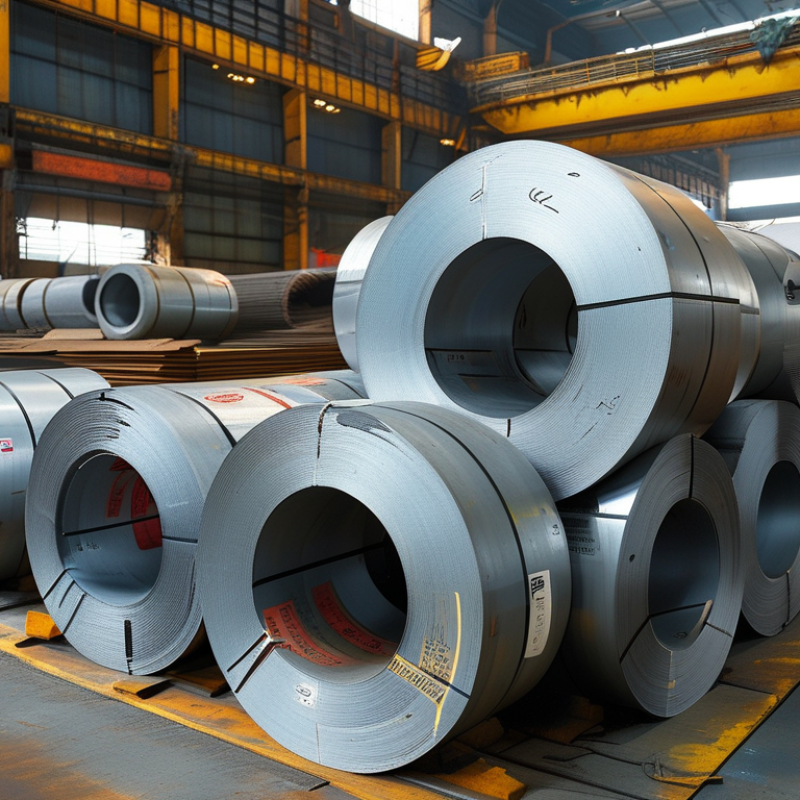
When sourcing steel planks globally, several critical factors come into play. The quality of steel is paramount. Ensure that it meets international standards. Consider the type of steel as well. Different grades serve various purposes, impacting durability and strength.
Pricing is another vital consideration. Get quotes from multiple suppliers to compare. Remember, the cheapest option may not always be the best. Look for value rather than just low prices. Additionally, logistics cannot be overlooked. Assess shipping costs and delivery times. Delays can disrupt your project timelines.
Tip: Research suppliers' reputations online. Customer reviews can offer insights into their reliability. Furthermore, always request material certifications. Verify that they align with industry regulations. This step builds trust and ensures you get what you pay for.
Finally, think about after-sales support. A good supplier should offer assistance beyond delivery. Whether it’s maintenance advice or extra materials, reliable support can save time and costs in the long run. The procurement process can be complex, requiring careful thought and planning. Balancing quality and cost is essential for successful sourcing.
The global steel planks market is witnessing notable shifts driven by construction and infrastructure demands. Recent analytics indicate a surge in applications, particularly in flooring and scaffolding. This uptick reflects broader economic recovery trends. However, fluctuating raw material costs pose challenges. Stakeholders must stay informed about price volatilities to make sound purchasing decisions.
Regional variations in demand are also evident. Emerging markets show increased appetite for steel planks. However, supply chains remain strained, contributing to delivery delays. Buyers should consider sourcing from multiple regions to mitigate risks. It’s essential to engage with suppliers who provide transparent pricing and quality certifications.
Sustainability concerns are becoming more prominent in procurement considerations. Many buyers now seek environmentally friendly options. Understanding production methods can guide informed choices. Yet, scanning the market for truly sustainable solutions requires diligence. Evaluating claims critically can help avoid misleading certifications. Building long-term relationships with reliable suppliers is key to navigating these complexities.
When it comes to steel planks, understanding the key specifications is crucial for global procurement. Different industries have specific needs, which can influence the selection of materials. For instance, construction projects often require planks with a minimum yield strength of 250 MPa. This ensures safety and durability under heavy loads. In contrast, marine applications may prioritize corrosion resistance, necessitating the use of galvanized steel or stainless steel options.
Experts recommend considering the surface finish, as it can greatly impact the longevity of steel planks. A smoother finish can reduce friction and facilitate easier handling during installation. According to market analysis, the global demand for steel planks is projected to grow by 4% annually. This growth signifies an increasing reliance on steel in various sectors, underscoring the need for quality specifications.
Tip: Always consult with industry standards. Review guidelines such as ASTM and ISO to ensure compliance with your project needs. Additionally, consider the environmental factors at play, as the choice of steel can affect overall sustainability goals. Another consideration is the weight of the planks. Heavier options may offer more strength but can complicate transportation and handling logistics.
| Industry | Plank Type | Thickness (mm) | Width (mm) | Length (mm) | Load Capacity (kg) | Surface Treatment |
|---|---|---|---|---|---|---|
| Construction | Standard Steel | 10 | 200 | 3000 | 3000 | Galvanized |
| Manufacturing | Heavy-Duty Steel | 12 | 250 | 3500 | 4000 | Powder Coated |
| Transportation | Slip-Resistant Steel | 8 | 300 | 2000 | 2500 | Painted |
| Marine | Corrosion-Resistant Steel | 10 | 250 | 2500 | 3000 | Anodized |
| Aerospace | Lightweight Steel | 6 | 200 | 1500 | 2000 | Coated |
| Energy | Structural Steel | 15 | 300 | 4000 | 5000 | Galvanized |
| Mining | High-Strength Steel | 20 | 400 | 5000 | 6000 | Painted |
| Chemical | Specialty Steel | 10 | 250 | 3000 | 3500 | Coated |
| Construction | Composite Steel | 10 | 250 | 3000 | 3000 | Anodized |
When considering global suppliers of steel planks, understanding the market landscape is key. The variety of materials and designs available can be overwhelming. Each supplier offers unique benefits, focusing on quality, durability, and innovation.
In your search, pay attention to customer reviews. This insight can be invaluable. A supplier’s reputation often reflects their reliability. Investigate their history and production practices as well. Transparency means they are likely to stand behind their products.
Always compare specifications. Different suppliers may showcase varying thicknesses, finishes, and weight capacities. Make sure the products you select align with your specific needs. Additionally, communicate directly with suppliers to clarify any uncertainties. Clear dialogue builds trust and reveals their commitment to service.
Look for certifications in quality standards. Certifications can validate a supplier’s claims. If a brand has consistent quality checks, it usually indicates a high level of professionalism. Always weigh your options carefully to ensure you make the best procurement decisions.
When navigating the procurement of steel planks, understanding cost trends is essential. Steel prices fluctuate based on various factors, including raw material availability and global demand. Current economic conditions, such as inflation and supply chain disruptions, significantly impact these prices. Procurement professionals should always analyze historical data to identify patterns. This helps in forecasting future pricing and budgeting more effectively.
Budgeting for steel planks often involves a careful balance. Buyers must account for not just base material costs, but also shipping, handling, and storage expenses. Hidden costs can emerge, affecting total procurement budgets. Regularly reviewing supplier contracts helps identify any overlooked fees. For companies, transparency in pricing is critical for making informed decisions. Establishing a reliable network of suppliers can mitigate some uncertainty.
Approaching steel plank procurement without thorough research might lead to overspending. It’s tempting to favor short-term savings, but long-term relationships often yield better pricing stability. Buyers should regularly seek quotes from multiple sources. This practice helps in understanding market rates and creates competition among suppliers. Ultimately, having a strategic approach to cost analysis is vital.
: Construction requires steel planks with a minimum yield strength of 250 MPa for safety and durability.
A smoother finish reduces friction and aids in easier handling during installation, enhancing longevity.
The demand for steel planks is projected to grow by 4% annually across various sectors.
Choosing the right steel type can impact sustainability goals, so consider environmental factors carefully.
Review customer insights and supplier history to gauge reliability and product quality.
Specifications such as thickness, finishes, and weight capacities can differ widely among suppliers.
Always compare specifications and communicate directly with suppliers for clarifications on your needs.
Certifications validate a supplier's claims and indicate consistent quality checks in their products.
Heavier planks may provide strength but complicate transportation and handling logistics significantly.
Cheaper options may not guarantee quality, leading to potential safety risks or increased costs in the long run.
The article "Top 10 Steel Planks Buyers Guide for Global Procurement" provides a comprehensive overview for buyers looking to source steel planks effectively on a global scale. It outlines the top 10 factors to consider when sourcing, including quality, durability, and supply chain reliability. Additionally, the article offers insights into market trends, highlighting the current demand and supply dynamics for steel planks worldwide, which can significantly impact procurement strategies.
Furthermore, it delves into key specifications required for various industries, ensuring that buyers understand the specific needs and applications of steel planks. The analysis of pricing trends and budgeting considerations empowers buyers to make informed decisions, optimizing their procurement strategies. Overall, this guide serves as a valuable resource for understanding the complexities of global steel plank procurement and making competitive purchasing decisions.

AJ Metal