Explore our range of heavy-duty, high-performance scaffolding products and bracing elements engineered for optimal safety.
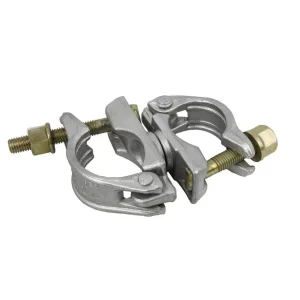
Designed for heavy-duty steel tube connection, providing solid structural stability with 360-degree rotation capabilities.
Read More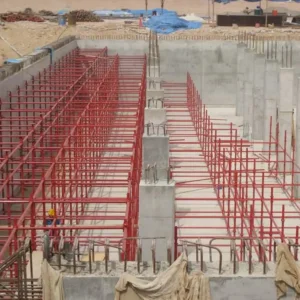
Industrial-grade, high-strength modular locking design that ensures rapid assembly and superior load-bearing capacity.
Read More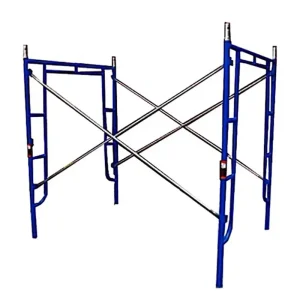
Durable hot-dip galvanized finishes. Excellent rust prevention and long service life for general construction projects.
Read More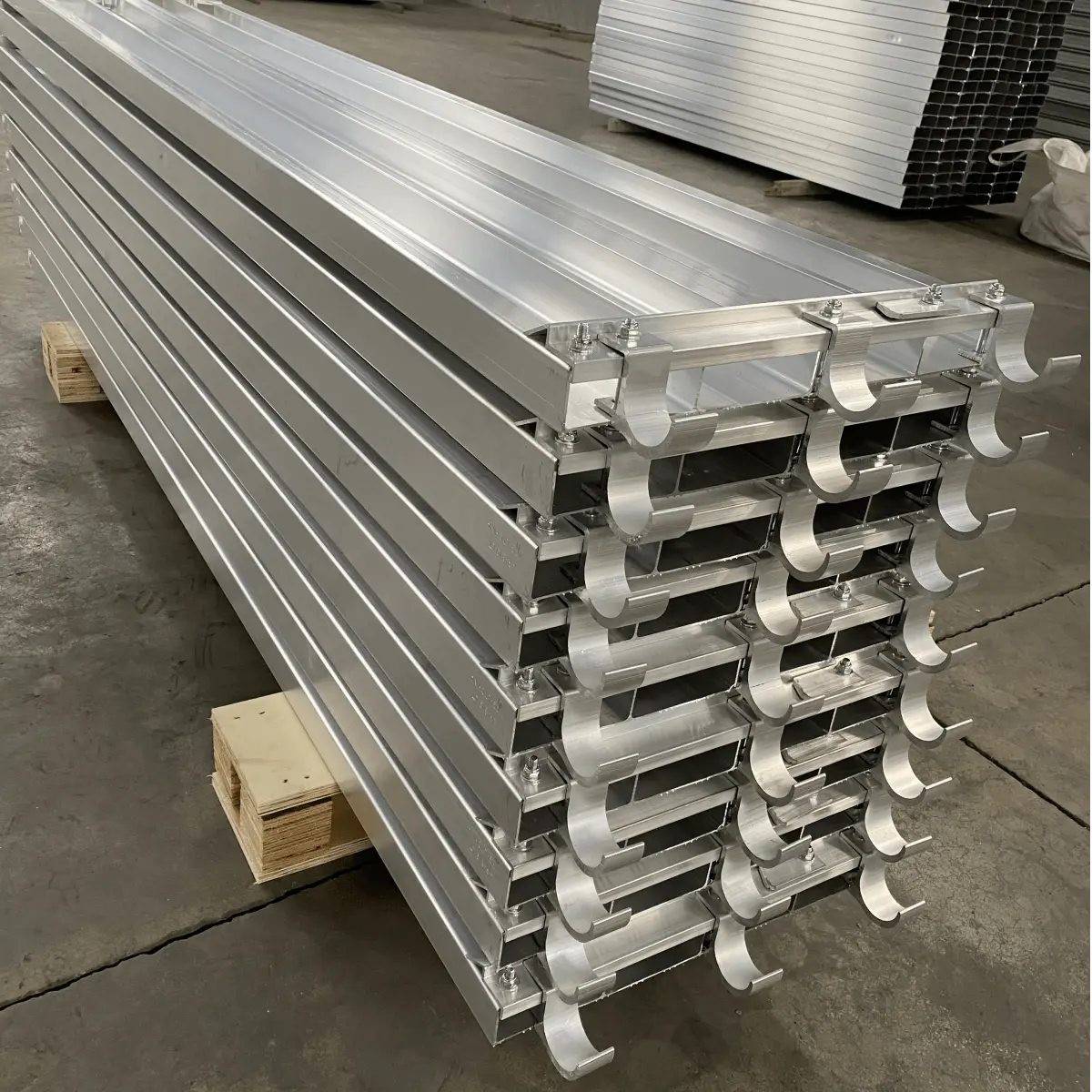
Lightweight design featuring secure hooks to facilitate quick entry and safe transition inside standard scaffold frameworks.
Read More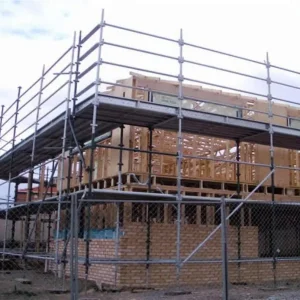
Premium-grade system engineered for versatility, utilizing interlocking structural bracing modules for global infrastructure projects.
Read More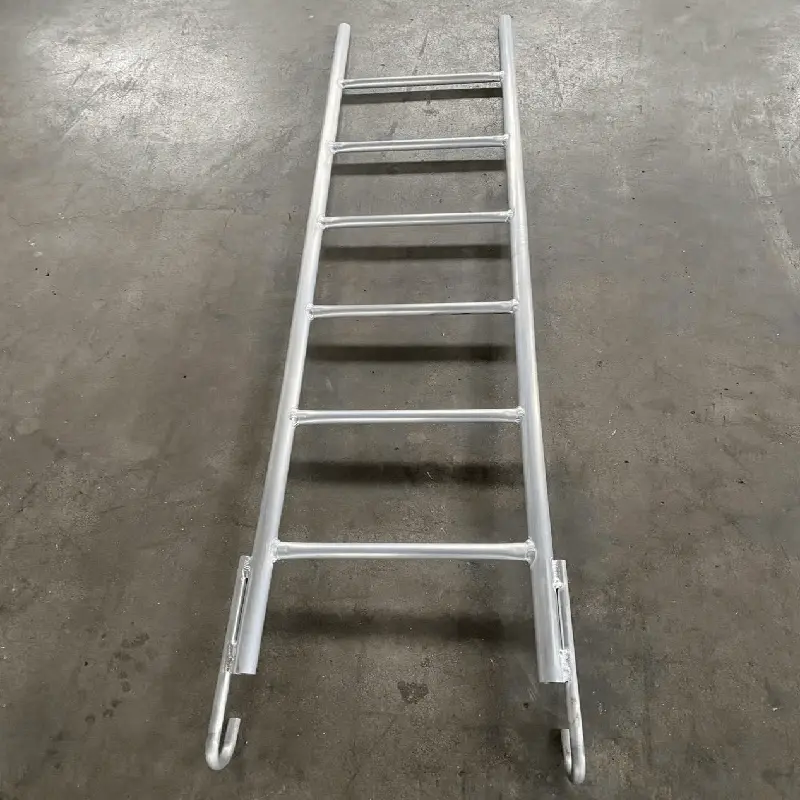
High corrosion resistance, anti-slip treads, and customized length profiles to suit structural systems seamlessly.
Read More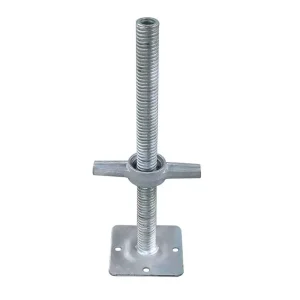
Threaded high-yield jacks offering precise height adjustment and distribution of vertical loads on uneven terrains.
Read More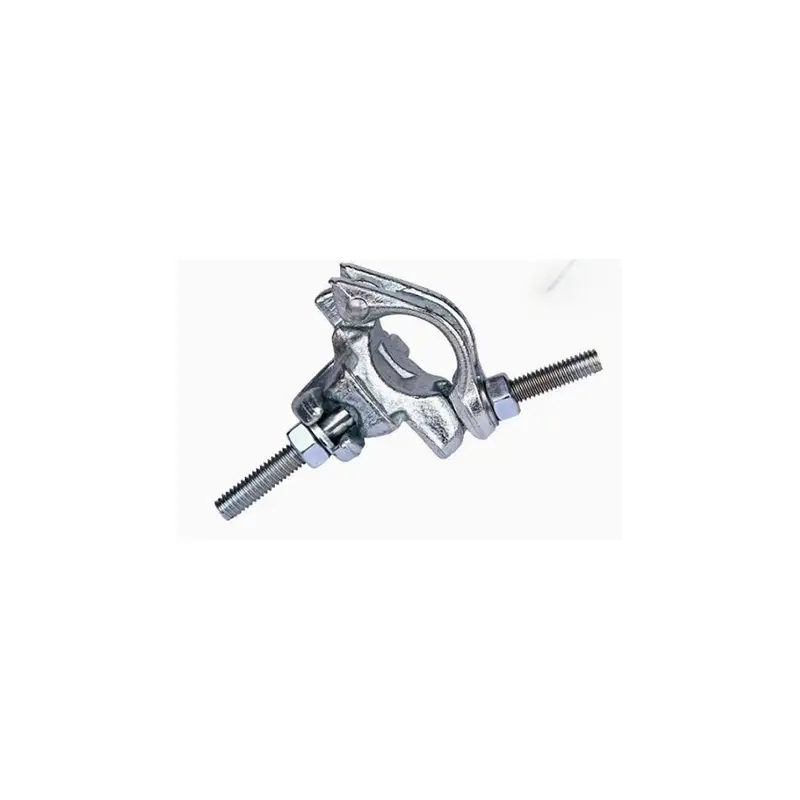
Drop-forged couplers designed for orthogonal structural tube clamping, assuring minimal slip and extreme load security.
Read MoreIn modern industrial civil engineering, temporary structural stability is not merely a logistical necessity—it is a critical element of site safety. Scaffold bracing acts as the primary defense against structural deformation under dead, live, and environmental loads. By forming triangulated geometry, scaffold braces convert lateral horizontal shear stresses into axial forces, transferring loads directly to the ground through standard verticals and adjustable base jacks.
Without adequate bracing, structures are vulnerable to the Euler buckling limit, sway failure, and catastrophic collapse under wind loading. As an OEM and ODM supplier, we understand that bracing components are critical load-path management vectors. Engineering a scaffold frame requires careful consideration of horizontal, longitudinal, and plan diagonal configurations to achieve structural stiffness.
"The stiffness and structural integrity of a scaffolding system is determined by the quality and placement of its bracing. Proper bracing significantly reduces the effective buckling length (Le) of vertical standards, allowing them to support their full design capacity."
To implement an effective scaffold bracing layout, structural designers must understand the distinct mechanical roles of different bracing types:
Quality begins with material selection. Traditional scaffolding rely on mild carbon steel, whereas modern heavy-duty applications demand high-yield-strength alloys. We source certified structural steel—primarily Q345B (yield strength ≥ 345 MPa) and Q235B (yield strength ≥ 235 MPa)—which undergoes rigorous tempering and hot-dip galvanization to ensure durability, chemical corrosion resistance, and ductility in extreme weather environments.
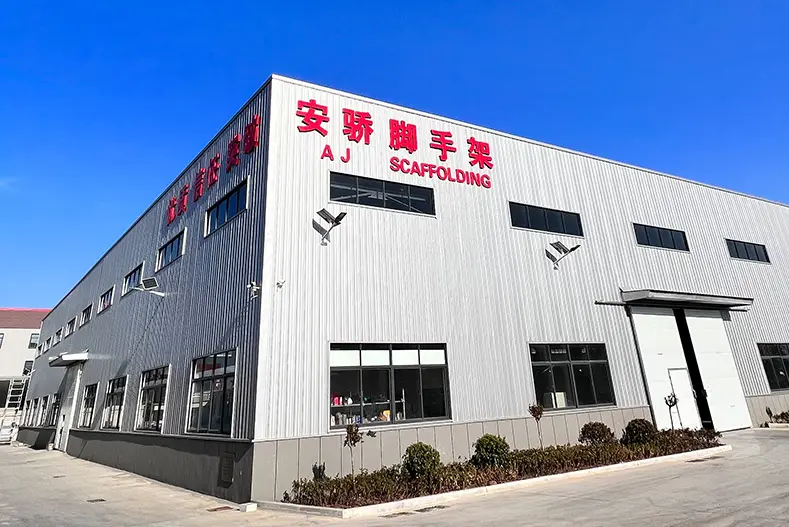
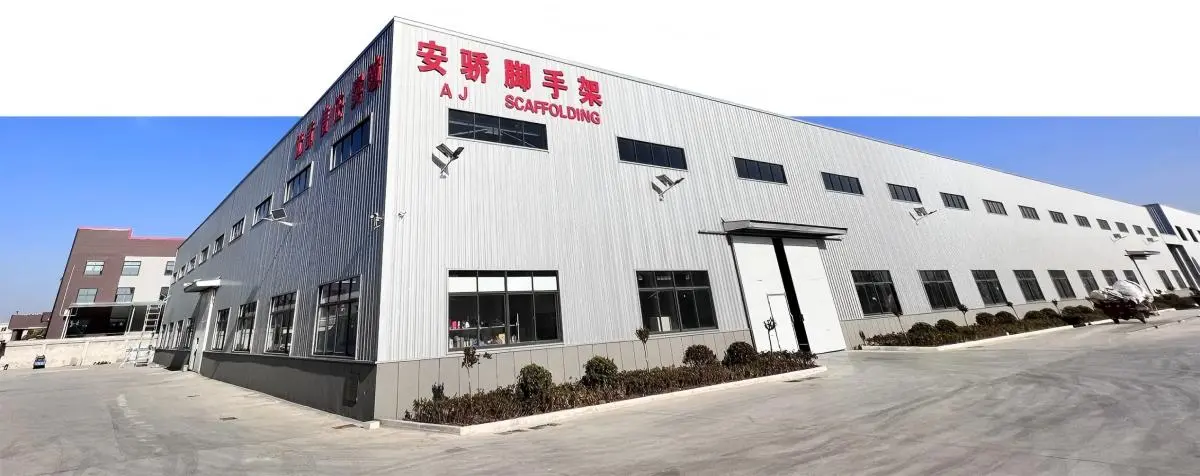
Tianchang AJ Metal Products Technology Co., Ltd. (AJ Scaffolding Manufacturer) was founded in 2013. We established our reputation by supplying high-performance scaffolding components for safety-critical installations in China, including nuclear power plants, heavy petrochemical facilities, high-speed rail lines, and shipbuilding operations. Our products have earned approval from global industrial organizations operating in mainland China, including BASF, Shell, and ExxonMobil.
In 2018, we expanded our business model to offer contract manufacturing and customized OEM/ODM services for international trading companies, procurement groups, and contractors. Today, our 12,000-square-meter facility produces advanced structural components tested to withstand demanding site conditions.
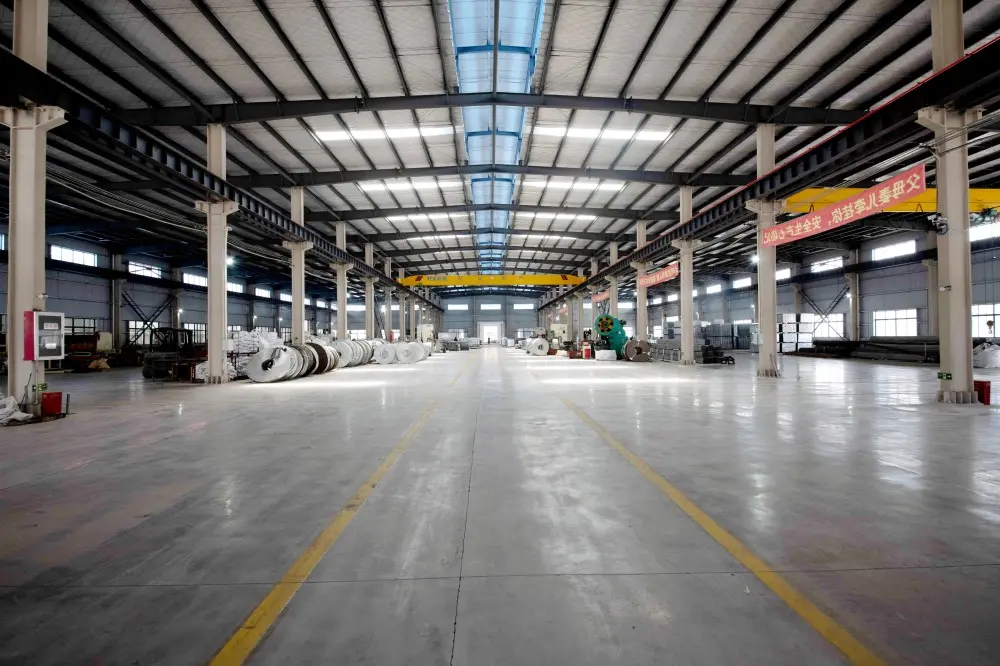
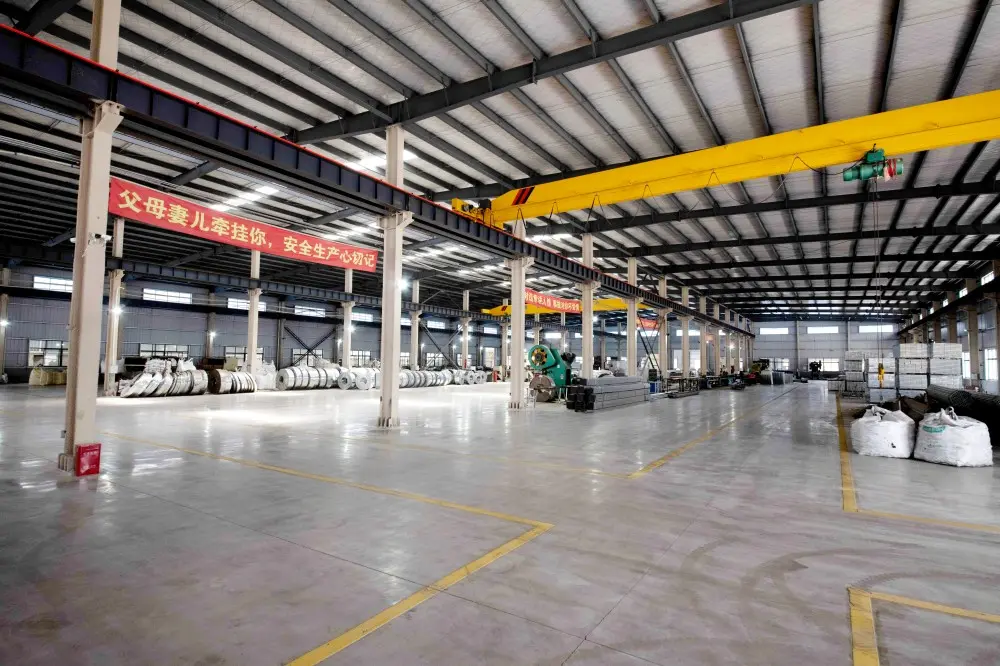
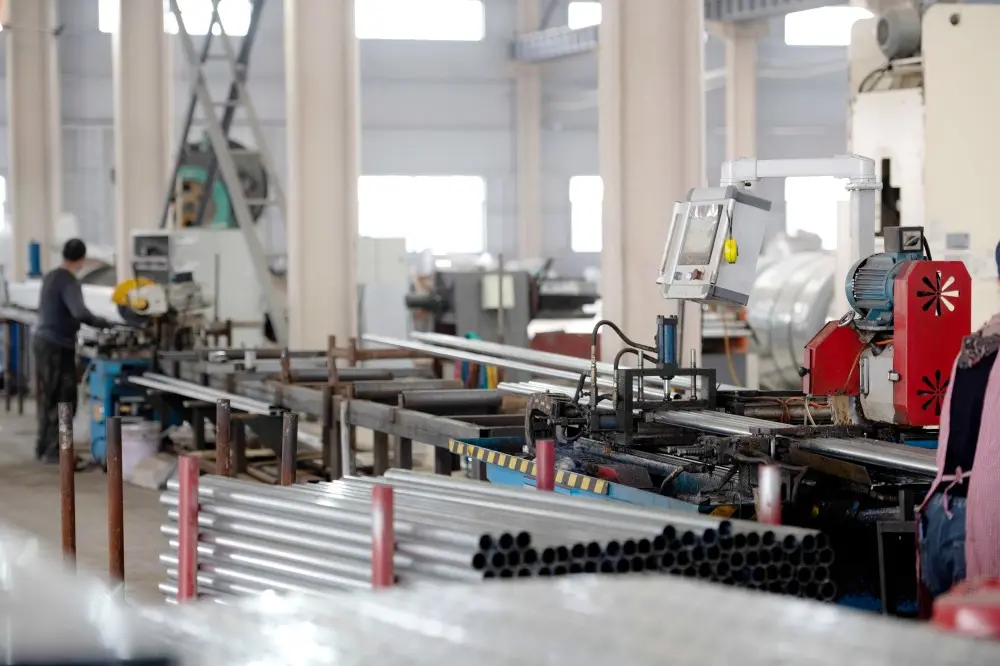
Why the world's leading engineering companies choose AJ Metal Products for OEM and ODM projects.
A customer-centric strategy to optimize logistics, product performance, and service quality across international borders.
A sustainable business strategy that addresses the environmental, social, and governance (ESG) needs of modern builders.
A comprehensive Quality Management System (QMS) featuring testing at every stage to ensure customer satisfaction.
An independent institute specializing in advanced alloy material research and product performance optimization.
Customized logistics plans and real-time shipping tracking to keep your construction schedules on time.
Regulatory frameworks for building safety are tightening worldwide, directly impacting scaffolding design requirements. In the European Union, scaffolding systems must comply with **BS EN 12810-1** and **BS EN 12811-1**, which define design rules, material specifications, and load test criteria. In North America, the **OSHA 1926 Subpart L** standard sets rules for load ratings, safety factors, and fall protection.
These strict standards have shifted procurement habits toward reliable OEM and ODM manufacturers. Contractors can no longer risk utilizing low-grade, uncertified structural components. Purchasing fully trace-tested scaffolding bracing systems with clear material origin certificates has become standard practice for mitigating liability and protecting workers on site.
| Parameter | European Standards (EN 12810/11) | US Standards (OSHA / ANSI) | AJ Scaffold OEM Standard |
|---|---|---|---|
| Material Specification | S235JR / S355JR | ASTM A36 / Grade 50 | Q235B / Q345B (High-Yield Alloy) |
| Corrosion Protection | Hot-dip galvanized (Min 60-85 µm) | Galvanized or painted coatings | Hot-dip galvanized (Avg 85 µm) |
| Safety Design Factor | 1.5 partial safety factor for loads | 4:1 minimum ultimate load ratio | Exceeds both EN and OSHA criteria |
| Fatigue / Stress Testing | Empirical calculation / structural test | Static load test methods | 50,000+ cyclic loading tests |
Scaffolding bracing layout demands vary significantly depending on localized microclimates and site conditions:
Scaffolds built in typhoons or coastal storm corridors experience heavy lateral wind drag. In these regions, simple perimeter bracing is insufficient. Design engineers specify dual-plane cross bracing and plan stabilizers to prevent torsional deformation, anchoring the structure directly to the core building using high-capacity steel wall ties.
Environments filled with airborne chlorides or industrial chemicals accelerate oxidation. For projects with companies like BASF and Shell, components require specialized rust protection. We apply hot-dip galvanization (complying with **EN ISO 1461**) to ensure zinc-alloy coatings penetrate deep inside internal steel tubing, protecting sections that are otherwise vulnerable to corrosion.
Earthquake zones require flexibility and energy dissipation capabilities. Rigid, brittle couplers are vulnerable to fracturing under dynamic seismic waves. Modular scaffolding systems, such as **Ringlock**, utilize wedge-key connections that absorb minor dynamic shifts and protect structures from sudden collapse.
We design and manufacture complete scaffolding systems that meet the rigorous needs of diverse engineering sectors.
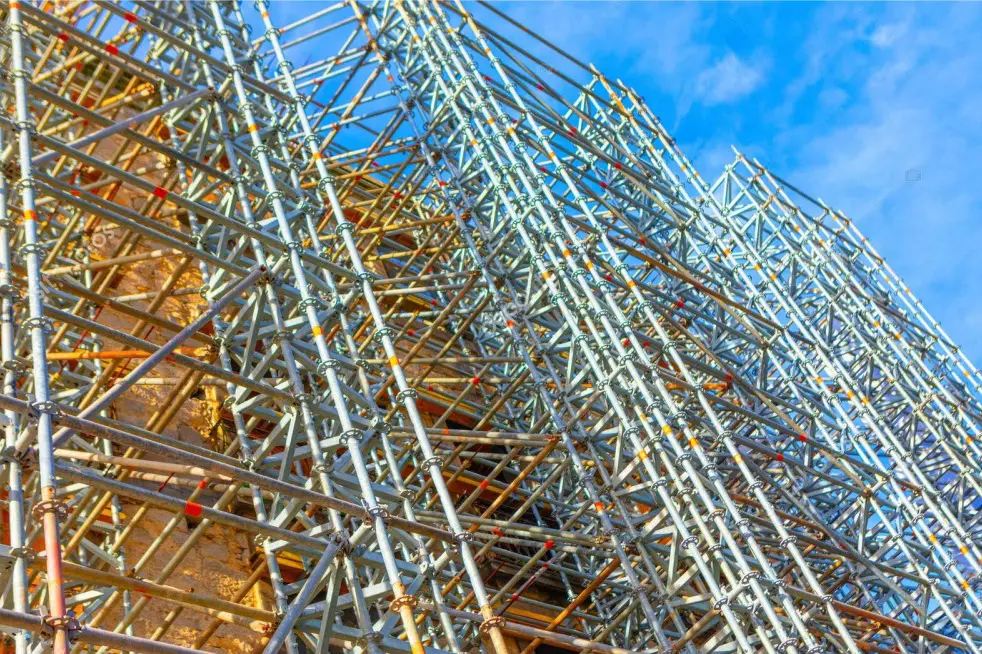
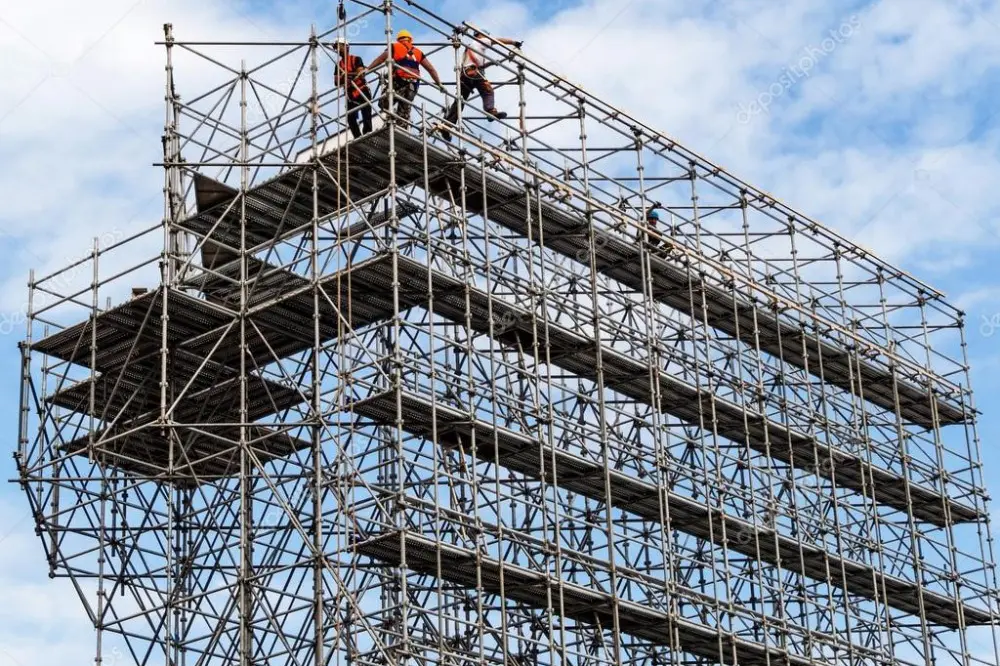
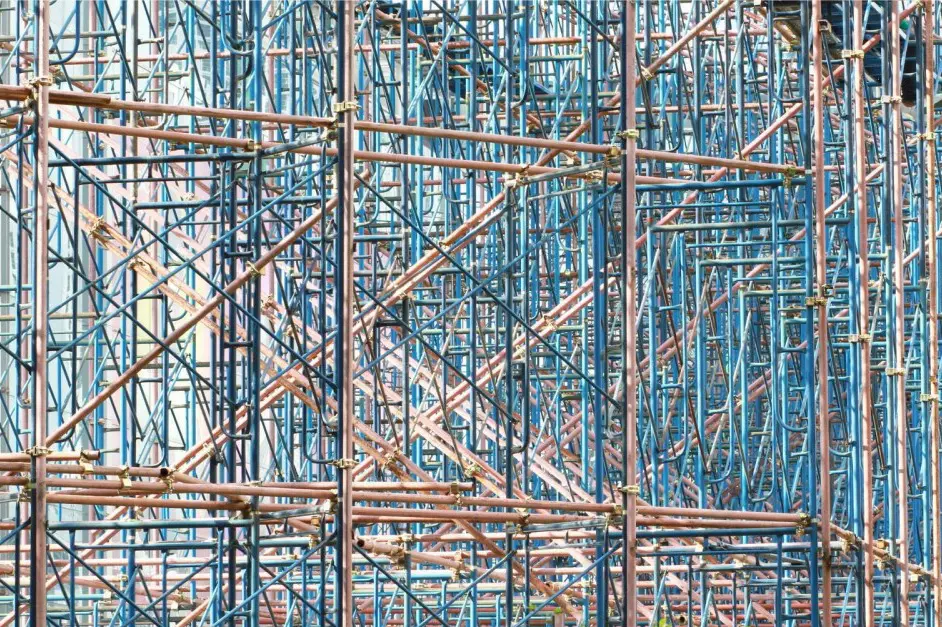
The temporary structure sector is undergoing a rapid evolution driven by safety requirements, rising labor costs, and environmental targets. Our R&D team works closely with leading technical institutions to optimize product performance, focusing on several key developmental areas:
While galvanized steel remains the industry standard, structural aluminum alloys are gaining market share. Aluminum components reduce transit weight and speed up erection times. Our hook-on ladders, side walkway bridges, and aluminum beams utilize high-tensile 6000-series alloys, maintaining structural integrity while reducing weight by up to 45% compared to steel equivalents.
We supply standardized 3D CAD and Building Information Modeling (BIM) blocks for our complete scaffolding product line, including Ringlock, Cuplock, and H-Frame configurations. This enables construction planners to model temporary access structures in digital environments, optimizing ledger and bracing layouts before shipping components to the jobsite.
The next generation of scaffolding will monitor structural integrity in real time. We are currently testing smart joint couplers embedded with strain gauges and tilt sensors. These IoT-enabled safety components alert safety directors if joint deflection or local load limits are exceeded, helping prevent accidents during critical high-rise construction phases.
From initial design draft and material testing to shipping logisitcs, AJ Metal Products delivers certified components built to withstand challenging jobsite conditions. Get in touch with our team for pricing and technical details.
Inquire Scaffolding PricingStay informed with technical resources, industry updates, and scaffolding safety guides from our expert engineering team.
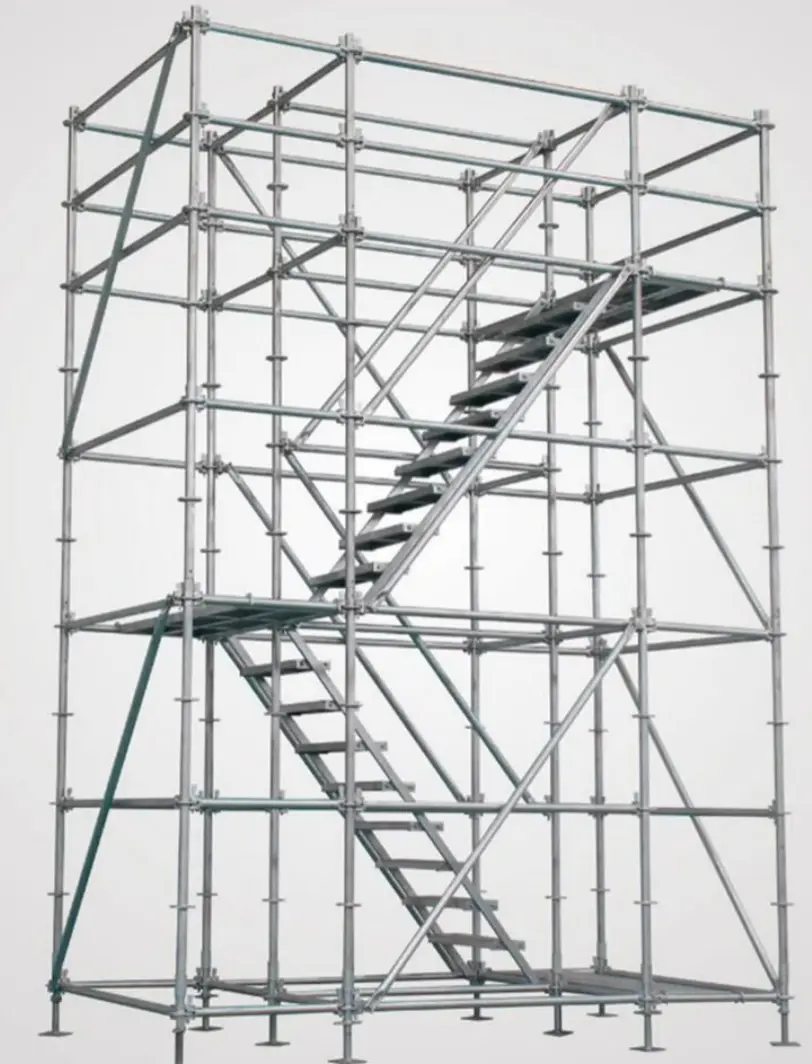
Explore our in-depth guide on modular systems featuring high load capacities and rapid assembly speeds. Certified to EN 12810 standards with hot-dip galvanized coating.
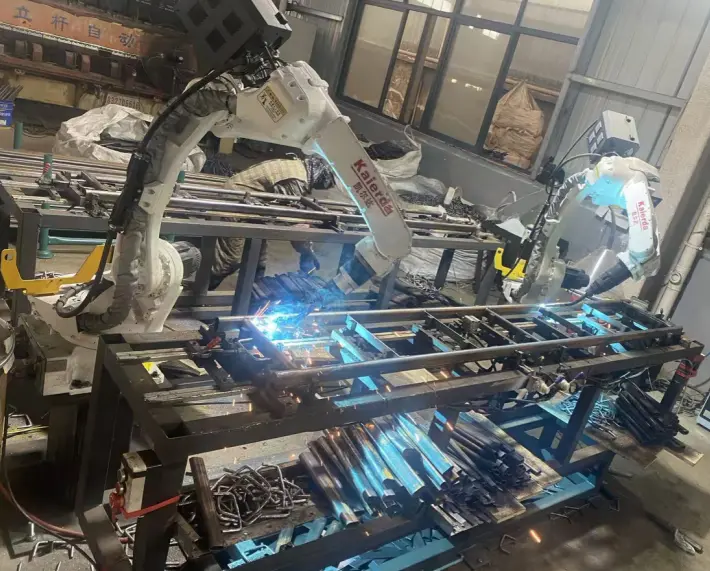
Get factory-direct pricing details on Ringlock, Cuplock, and standard frame configurations. We analyze manufacturing factors, material grades, and logistical costs.
An engineering analysis of Kwikstage scaffolding systems, tracing their market adoption and deployment advantages across major construction projects.
Common questions from procurement teams, structural designers, and safety managers regarding OEM scaffold components.
Scaffolding bracing provides critical lateral stability, converting shear and bending forces into axial forces that travel down standard verticals to base supports. Without diagonal ledger or facade bracing, high-rise temporary structures are prone to twisting and structural buckling under high winds or uneven load placement.
We execute rigorous quality control protocols on all products. Components undergo over 50,000 cycle fatigue tests in our facility to verify performance under heavy loading. We also run weld penetration tests, tensile strength tests, and coating thickness measurements to confirm compliance with global safety standards before shipping.
We primarily utilize high-strength **Q345B** and **Q235B** structural carbon steel, which correspond to European S355JR and S235JR grades. These steels offer the yield strength, mechanical ductility, and welding properties required for heavy-duty structural scaffolding.
Our primary coating is hot-dip galvanization (conforming to EN ISO 1461 standards) with average coating thicknesses exceeding 80 microns. This ensures long-term resistance to rust and oxidation in demanding conditions, including offshore projects and chemical processing plants.
Yes, we offer complete OEM and ODM design and manufacturing services. Our technical department can modify dimensions, joint configurations, and load ratings to match unique project profiles, infrastructure designs, or industrial layouts.
Engineered components designed to ensure stability and safety on commercial construction sites.
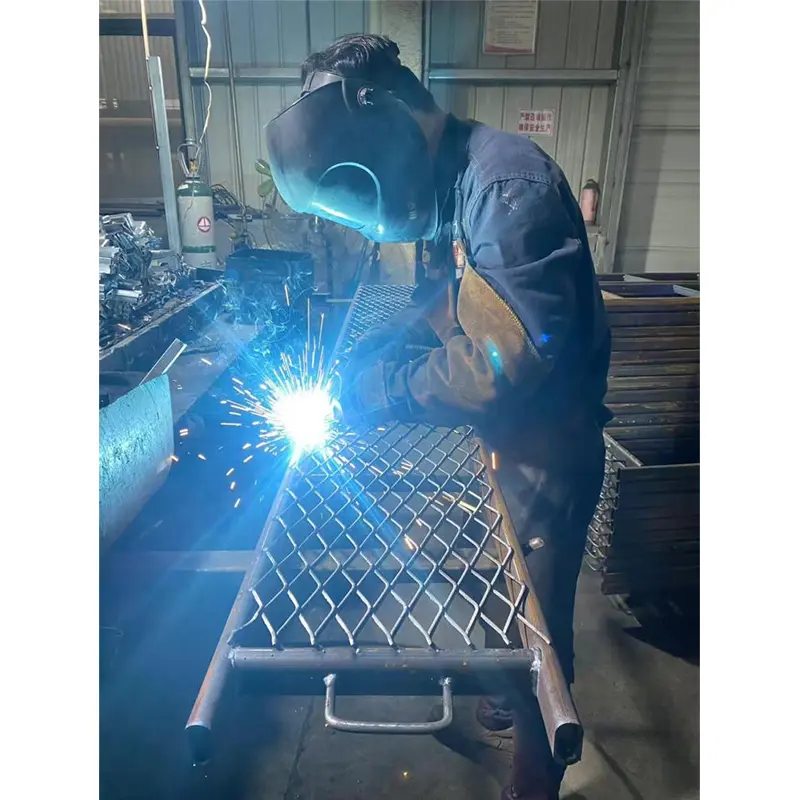
Durable walking boards featuring integrated drainage mesh, providing slip-resistant surfaces for high-altitude jobsites.
Read More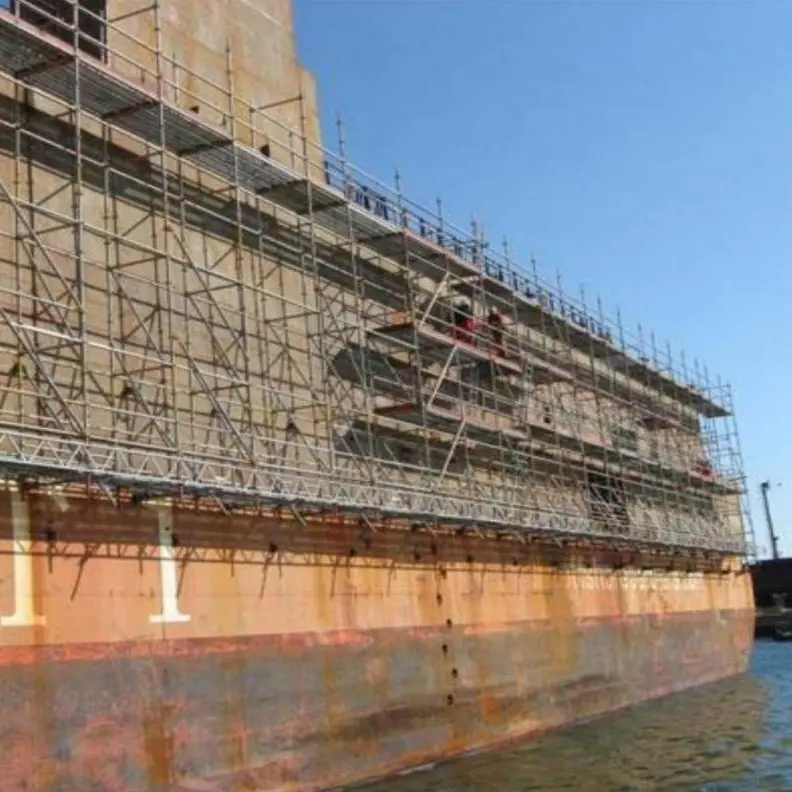
Modular ringlock configuration offering rosette connection points and multi-directional bracing capabilities.
Read More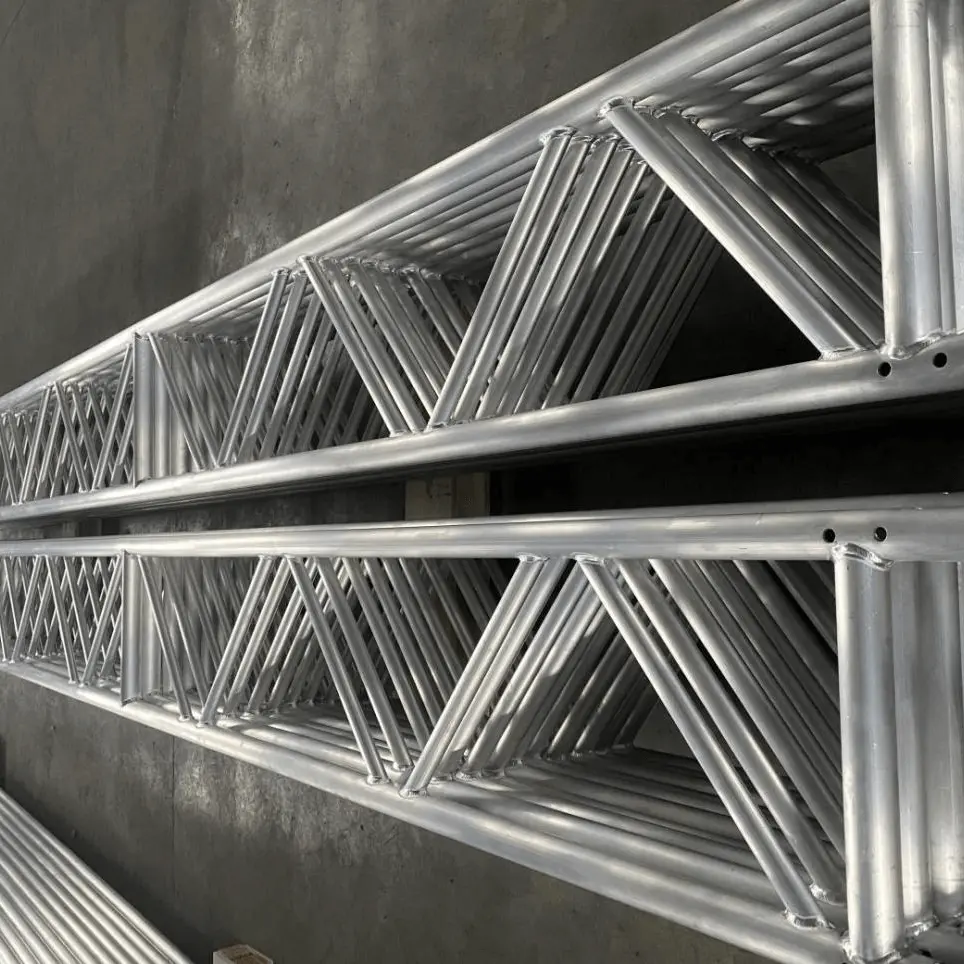
High-strength structural beams designed to reduce assembly weights without compromising load-bearing limits.
Read More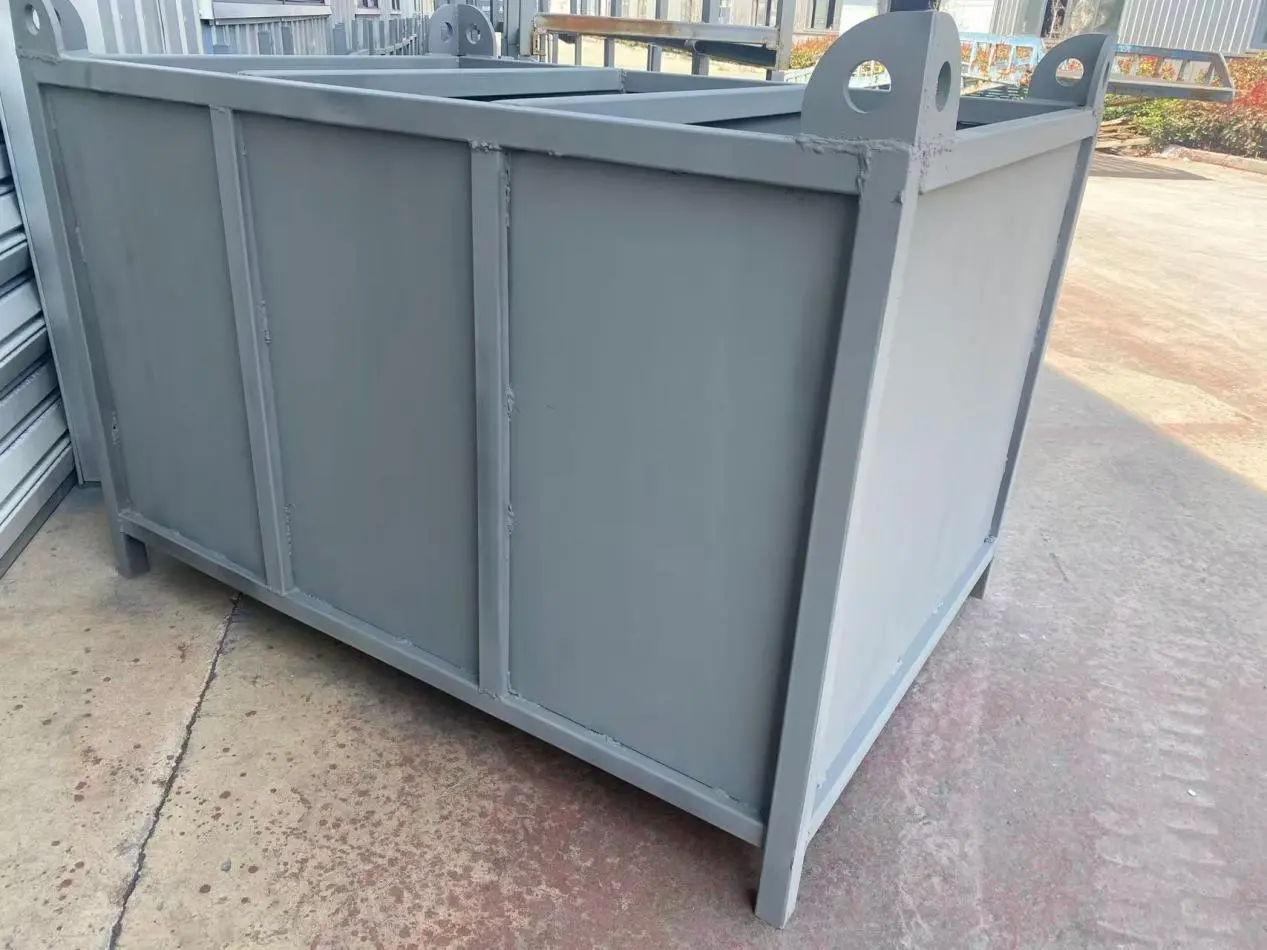
Durable, stackable steel wire storage units built to facilitate clean, organized parts management at worksites.
Read More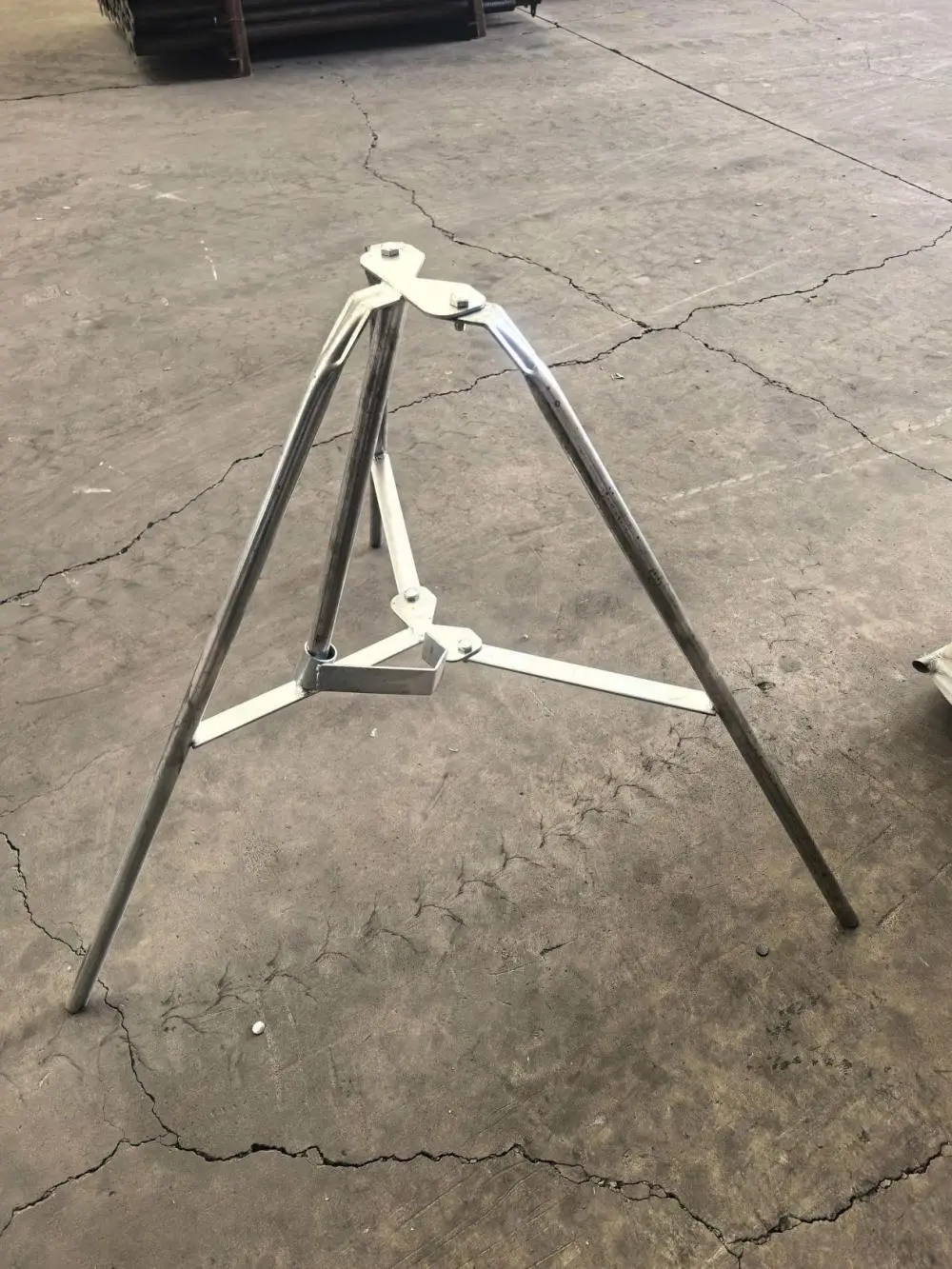
Adjustable shoring prop support tripods designed to stabilize vertical shores during concrete slab forming.
Read More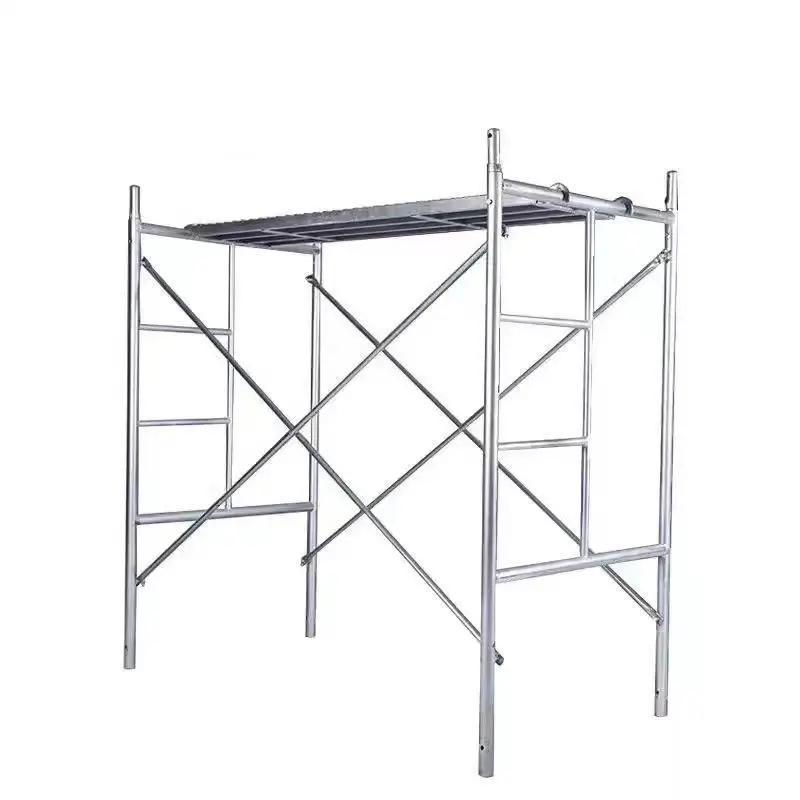
Traditional masonry access systems utilizing reinforced cross braces to ensure stability on high construction jobs.
Read More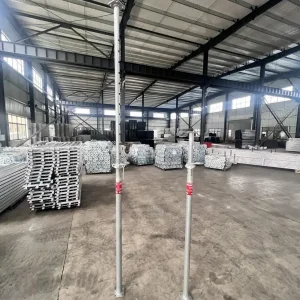
Telescopic shoring props featuring reliable height locking, designed to support overhead beams and formwork.
Read More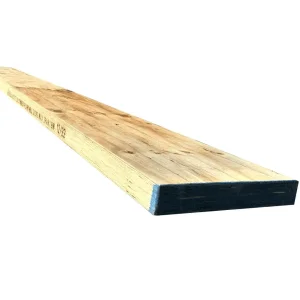
Durable, ribbed steel walk boards featuring anti-slip surface dimples and pre-galvanized rust protection.
Read More AJ Metal