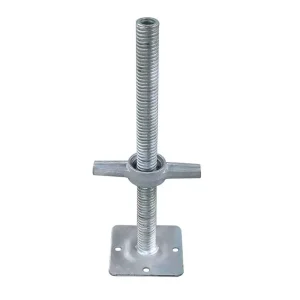
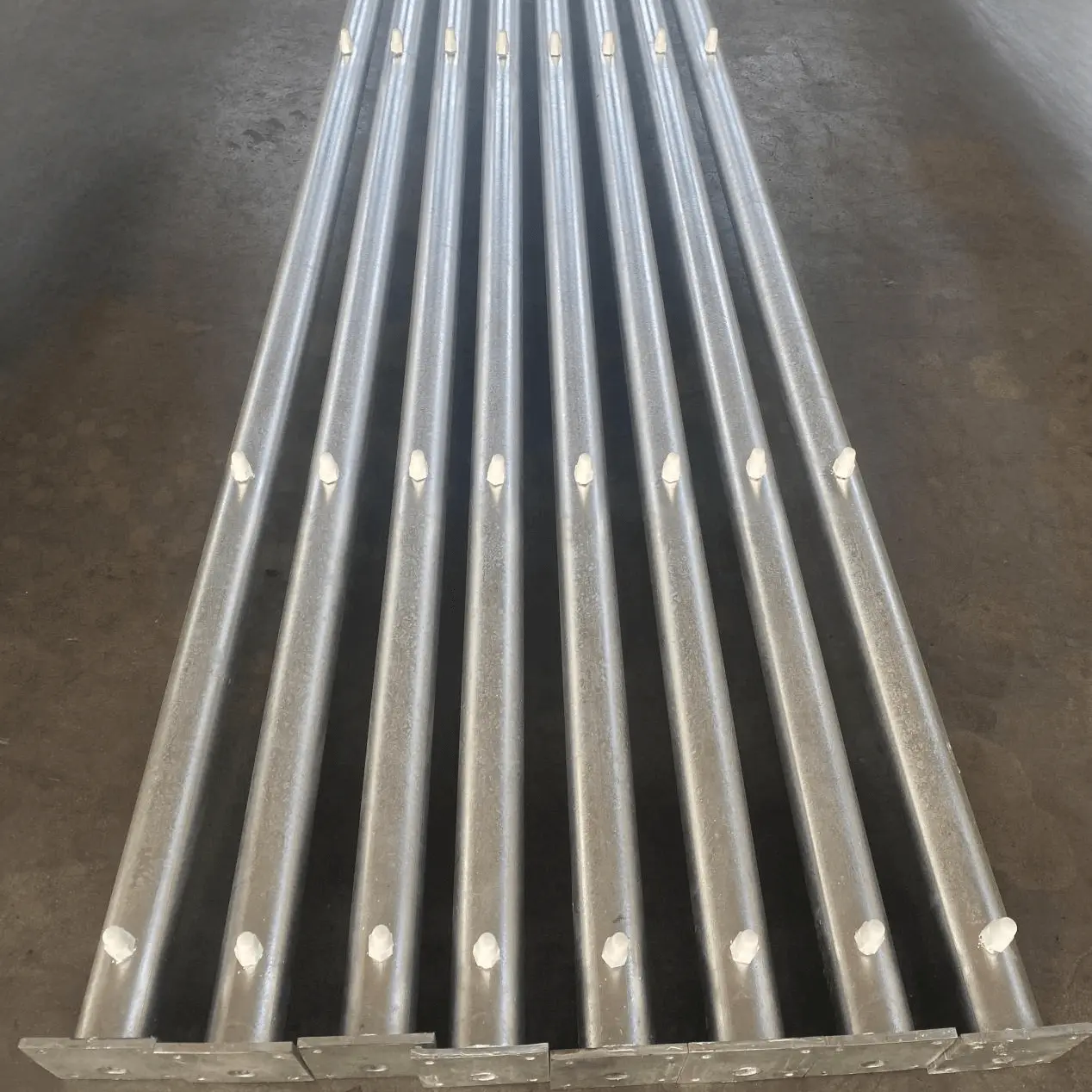
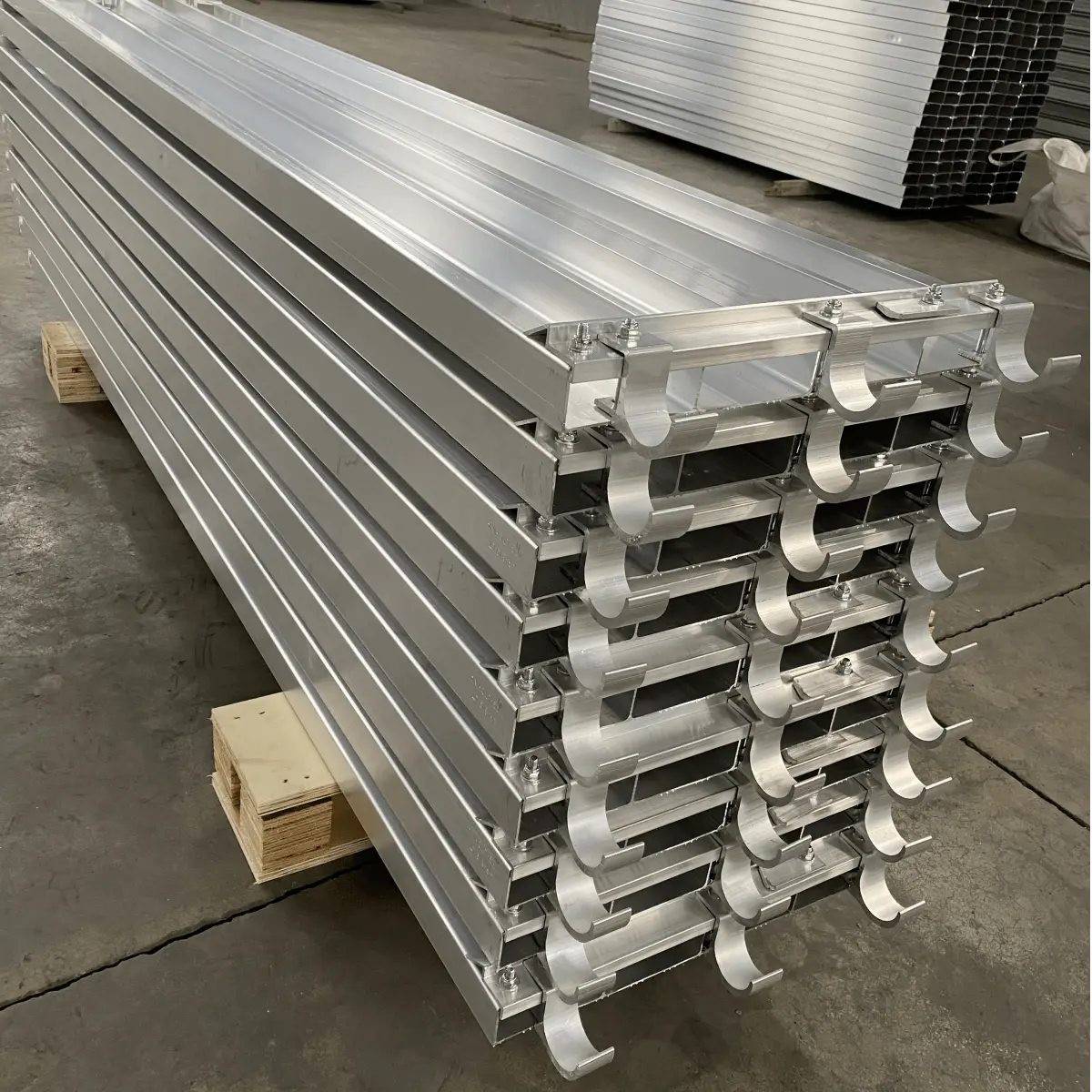
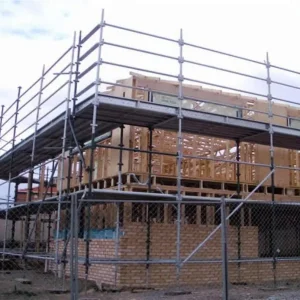
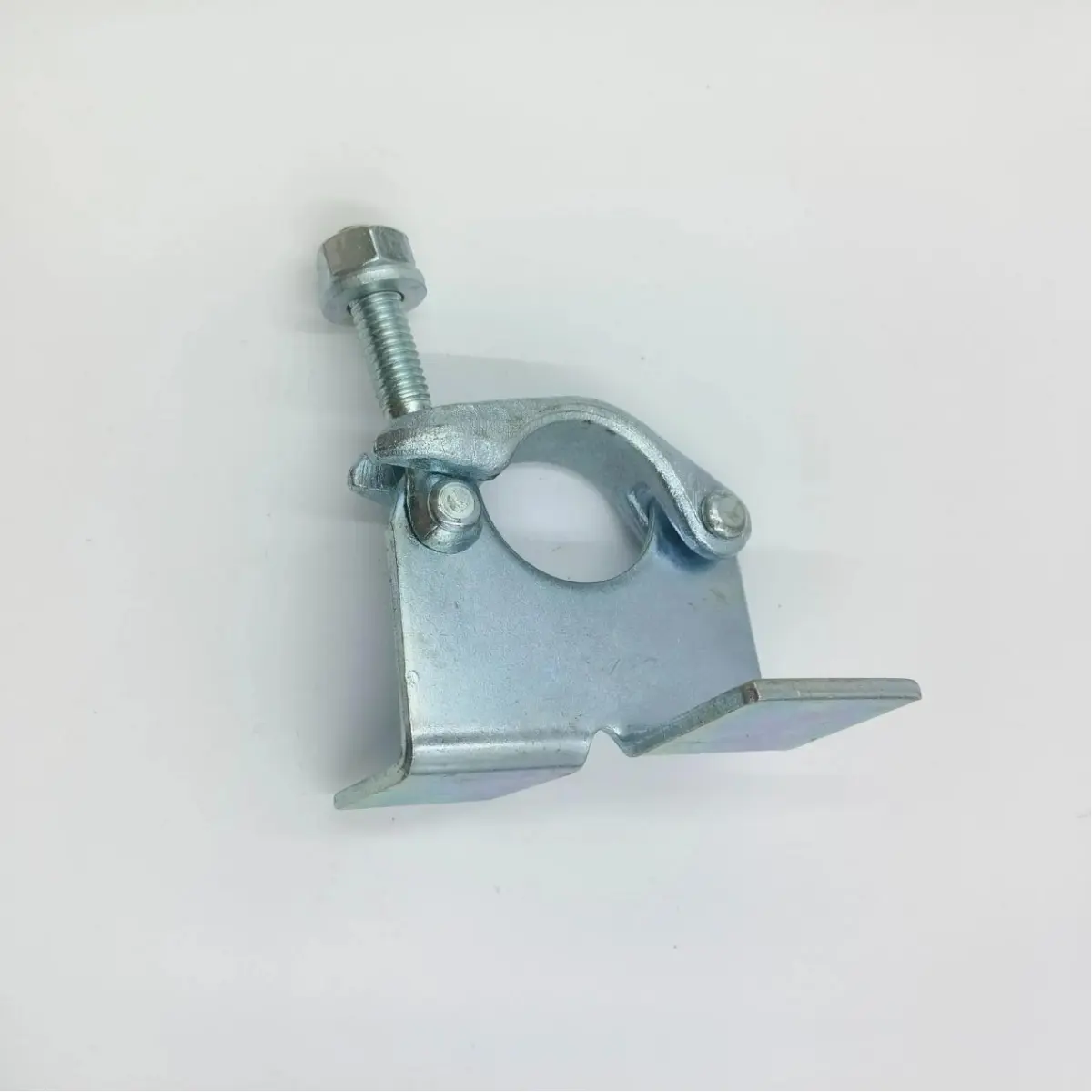
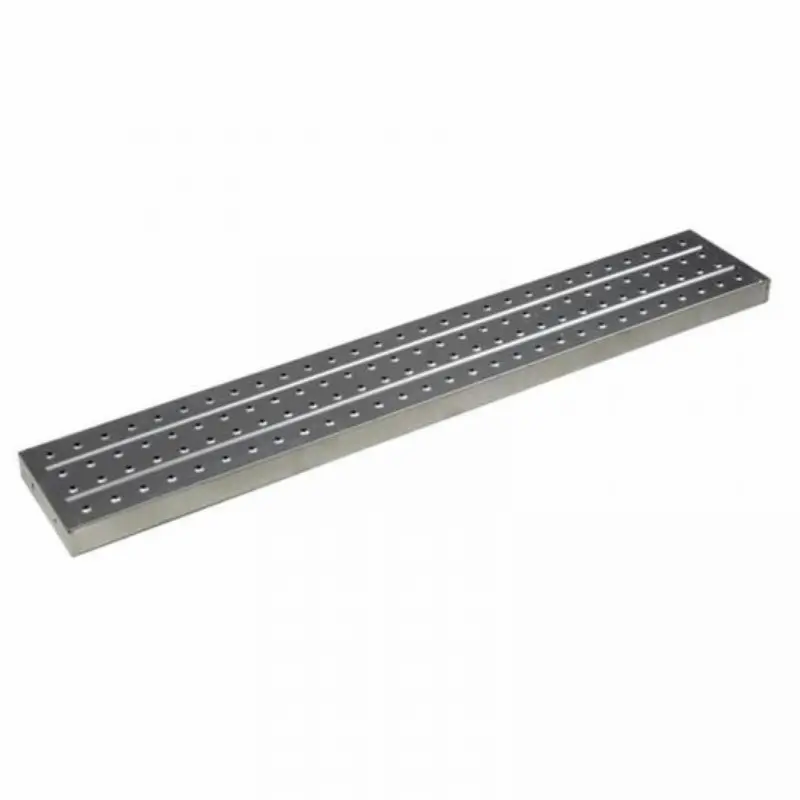
Explore our engineering-grade scaffolding hardware, custom-manufactured in our certified facilities to support high-load building configurations and temporary frameworks.
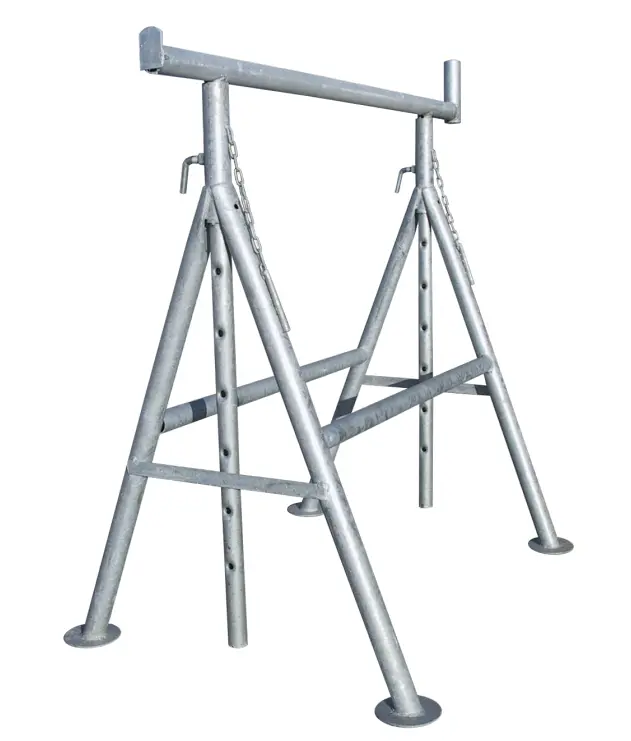
In high-consequence construction environments—ranging from commercial supertalls to complex nuclear power plants—scaffold diagrams are far more than simple spatial layouts. They are highly complex structural engineering blueprints that dictate load paths, define wind resistance limits, and establish safety protocols for thousands of on-site workers. At Tianchang AJ Metal Products Technology Co., Ltd., we combine digital modeling methodologies with advanced metallurgy to transform engineering-grade scaffold diagrams into physical, high-performance scaffolding hardware.
This technical whitepaper details the structural dynamics of scaffold design, global regulatory requirements, and the factory capabilities needed to manufacture scaffolding structures that match detailed architectural schematics. By analyzing structural physics (such as axial stress, joint stiffness, and lateral buckling limits), we provide global procurement teams and structural engineers with the details needed to safely execute major construction projects.
The industrial scaffolding industry is undergoing a digital transformation. Traditional 2D hand-drawn and flat CAD layouts are being replaced by multi-dimensional Building Information Modeling (BIM) workflows. This shift enhances spatial planning, improves material estimation accuracy, and enables predictive load path simulations prior to deployment.
Integrating scaffolding layouts into Master BIM projects allows structural engineers to run automated clash detection, ensuring temporary platforms do not interfere with permanent MEP (Mechanical, Electrical, and Plumbing) installations.
Using FEA-powered design platforms, engineers can simulate structural responses under varied environments. This includes testing point load limits, maximum wind deflection, and base-plate bearing capacity in unstable soils.
Real-time physical monitoring uses digital twins linked to IoT stress sensors on core standards. This warns engineering teams of dynamic load shifts or structural movement that exceeds safe tolerances.
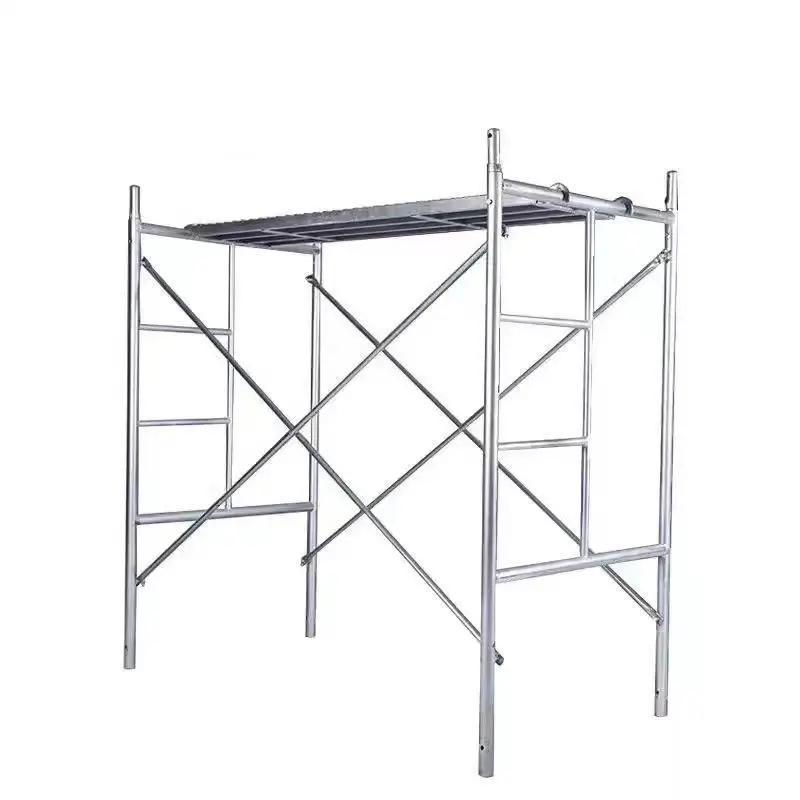
Large infrastructure projects require close alignment between procurement specifications and actual factory production quality. When purchasing bulk scaffolding components (such as modular Ringlock, Cuplock, or traditional Frame systems), supply chain directors prioritize material traceabilty, surface durability, and load-bearing performance.
Our manufacturing processes at AJ Metal Products prioritize three critical production variables:
Custom engineering configurations built to support complex commercial, civil, and industrial developments.
Working in refineries, offshore platforms, and chemical plants (with clients like BASF, Shell, and ExxonMobil) requires non-sparking components, reliable fire-retardant platforms, and clear layout diagrams. Our modular Ringlock and Cuplock scaffolding lines are designed to navigate complex pipe runs and tight machinery layouts while maintaining structural integrity.
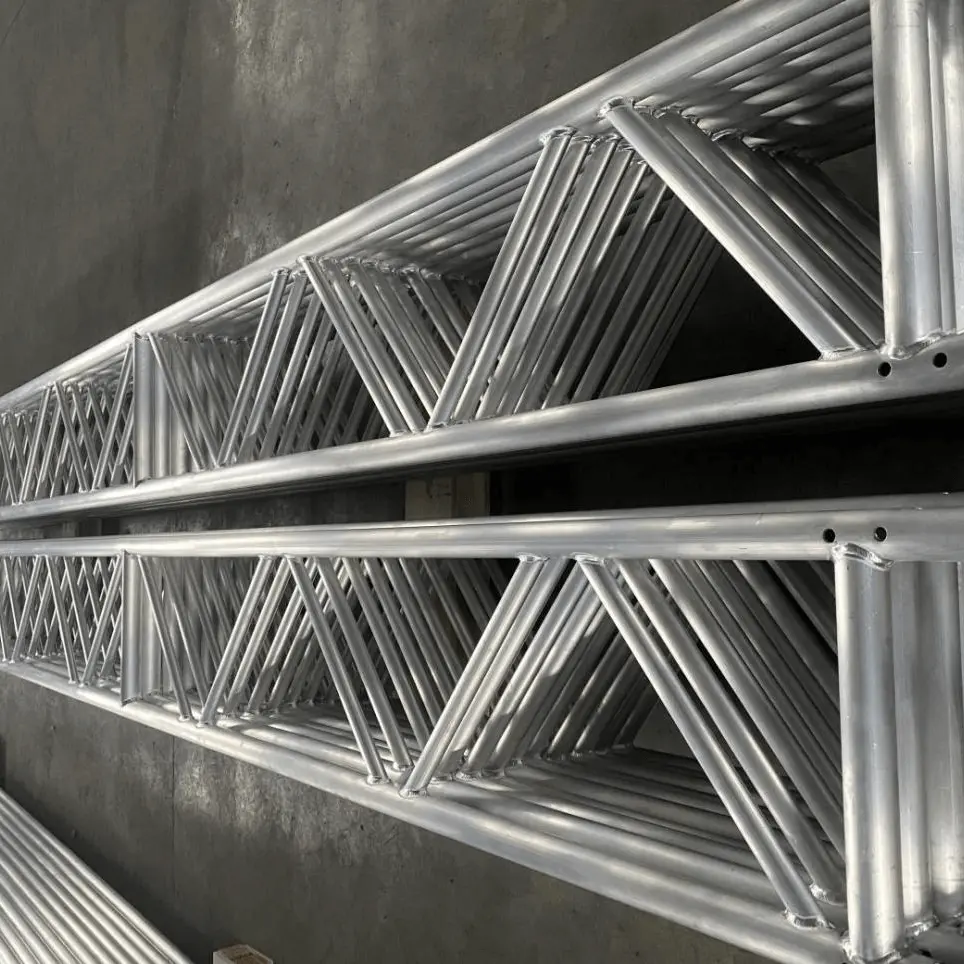
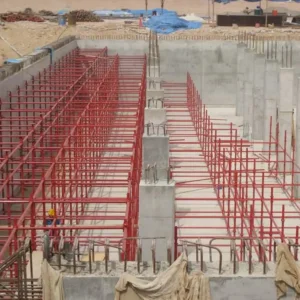
Infrastructure construction demands high-capacity shoring and heavy-duty walkway systems. AJ Metal Products supplies engineered aluminum beams, heavy steel trestles, and sidewalk bridge systems. These components are designed to support heavy concrete pours, provide overhead protection, and maintain safe public transit routes during construction.
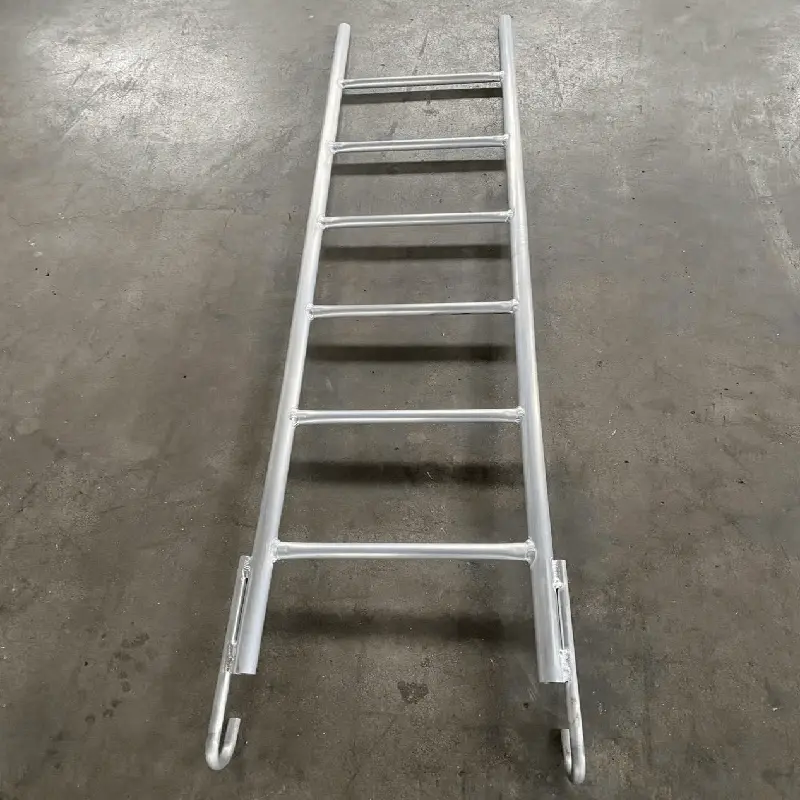
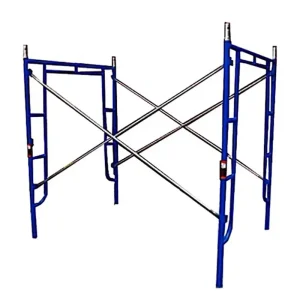
For high-rise builds, wind shear resistance and component weight are key considerations. We supply high-tensile steel frame scaffolding and lightweight hook-on aluminum ladders. These systems minimize structural self-weight while providing safe, high-capacity vertical access and stable working platforms at height.
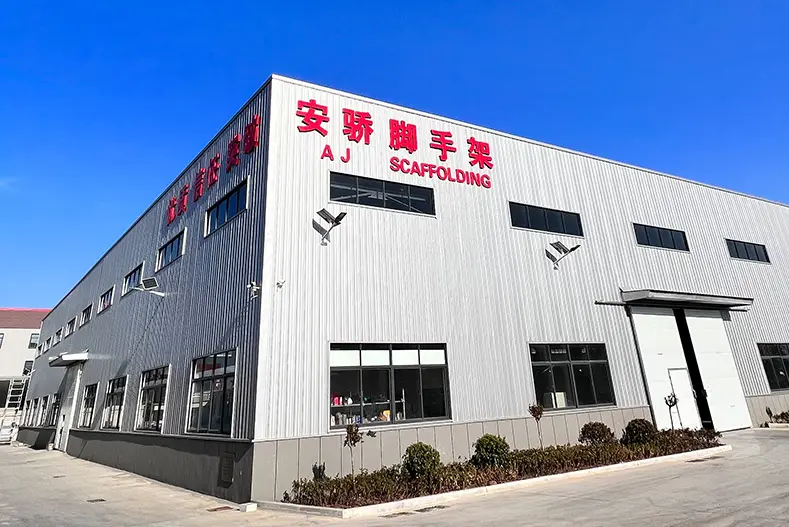
Established in 2013, AJ Metal Products Technology (AJ Scaffolding Manufacturer) began by supplying high-consequence domestic sectors, including nuclear power construction, railway infrastructure, and petrochemical sites in mainland China. Over the years, we have grown into a reliable manufacturing partner for international trading entities, engineering EPCs, and global contractors.
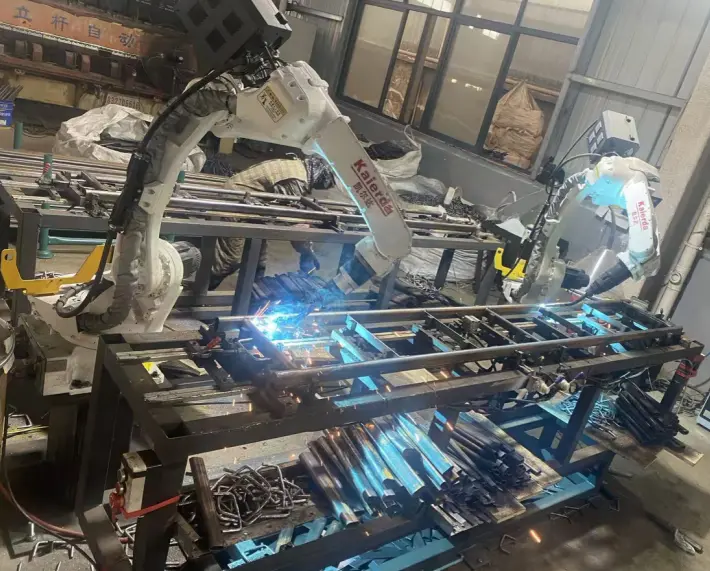
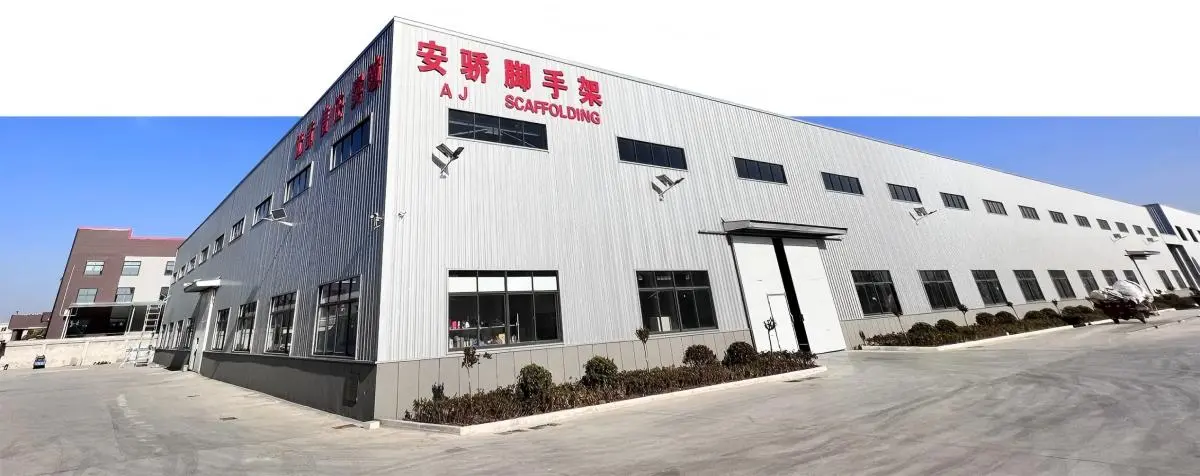
Our modern 12,000 m² factory runs automated raw material processing, robotic welding stations, and an independent research unit focused on metallurgy and structure testing. Through strict quality control (QMS) and sustainable ESG practices, we deliver scaffolding systems designed for reliable field performance.
To confirm that our physical equipment matches the structural capacities defined in scaffold diagrams, AJ Metal Products runs a comprehensive testing program. In addition to standard mill test reports, we subject random production samples to destructive load and fatigue testing in our quality control lab.
Our key validation testing procedures include:
Exporting scaffolding globally requires adhering to regional regulatory frameworks and safety standards. Our products and fabrication processes are designed to comply with major international specifications:
Our modular systems are engineered to meet European standards for system scaffolding, covering structural stability, component design, and performance testing.
For the North American market, our fabrication processes meet OSHA requirements for temporary work platforms, including capacity ratings, guardrail configurations, and accessory safety.
We supply compliant scaffolding systems for Australia and New Zealand, offering certified load capacities and robust surface finishes suitable for high-corrosion environments.
To support global delivery timelines, AJ Metal Products provides end-to-end logistics coordination. We offer container consolidation, seaworthy packaging, and custom freight solutions to ensure components arrive safely and on-schedule at sites worldwide.
Detailed answers to key structural design and procurement questions for engineering teams.
Insights and updates on scaffolding standards, design software, and international trade dynamics.
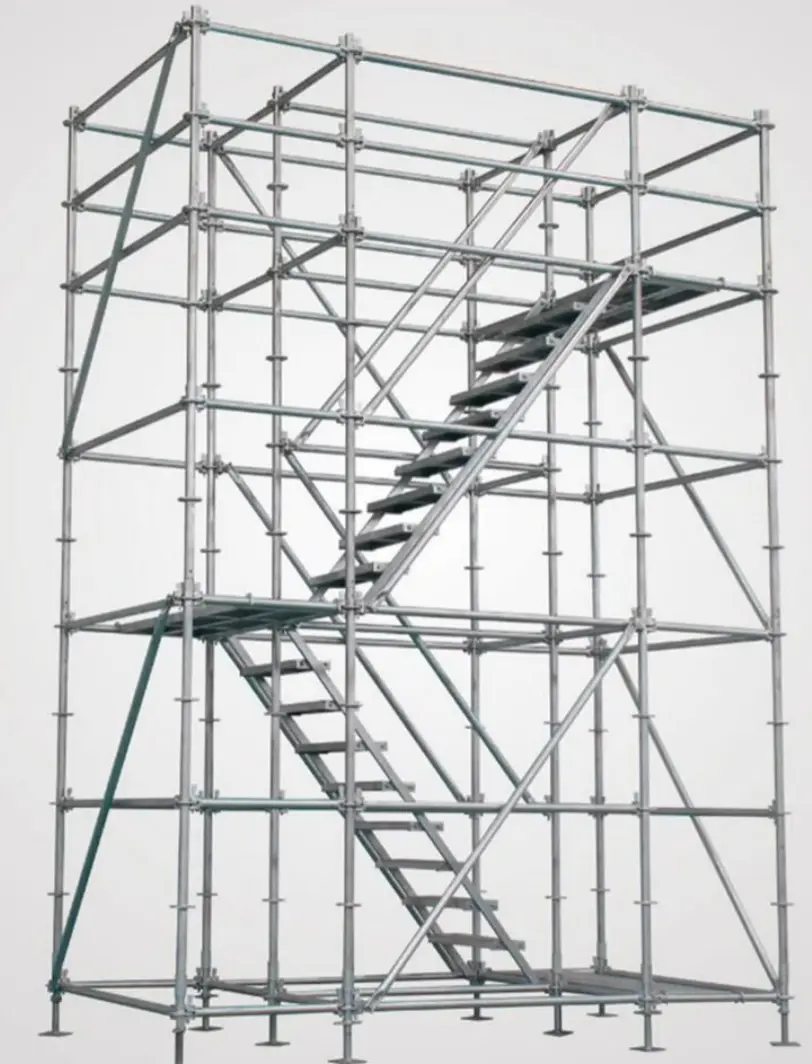
An in-depth look at modular Ringlock systems: structural design, load capacities, and fast installation advantages. Learn about EN12810 compliance and hot-dip galvanization.
A detailed pricing breakdown for Ringlock, Cuplock, and Frame scaffolding. Learn how raw material costs, coatings, and compliance impact overall procurement budgets.
An analysis of Kwikstage modular systems in modern infrastructure. Discover how changing safety regulations are driving adoption across key global markets.
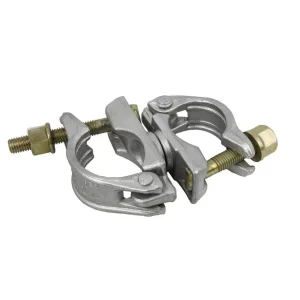
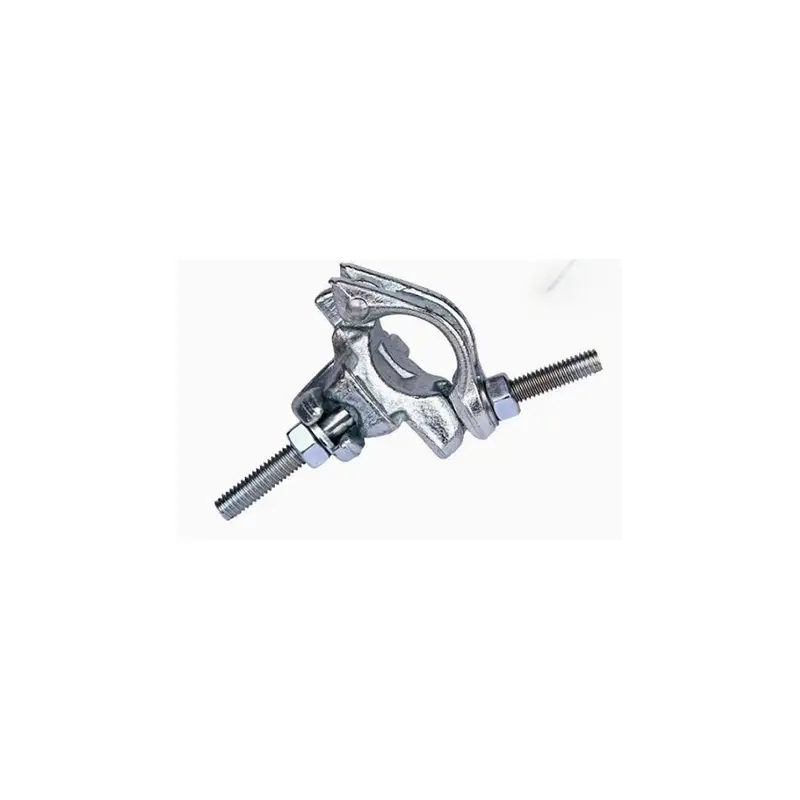
High-capacity couplers, lightweight aluminum structures, and modular scaffolding assemblies built for high-consequence construction environments.
 AJ Metal