Explore our heavy-duty industrial scaffold products engineered to withstand the most demanding environmental and mechanical stresses in construction, refining, and civil infrastructure.
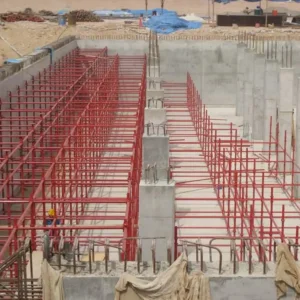
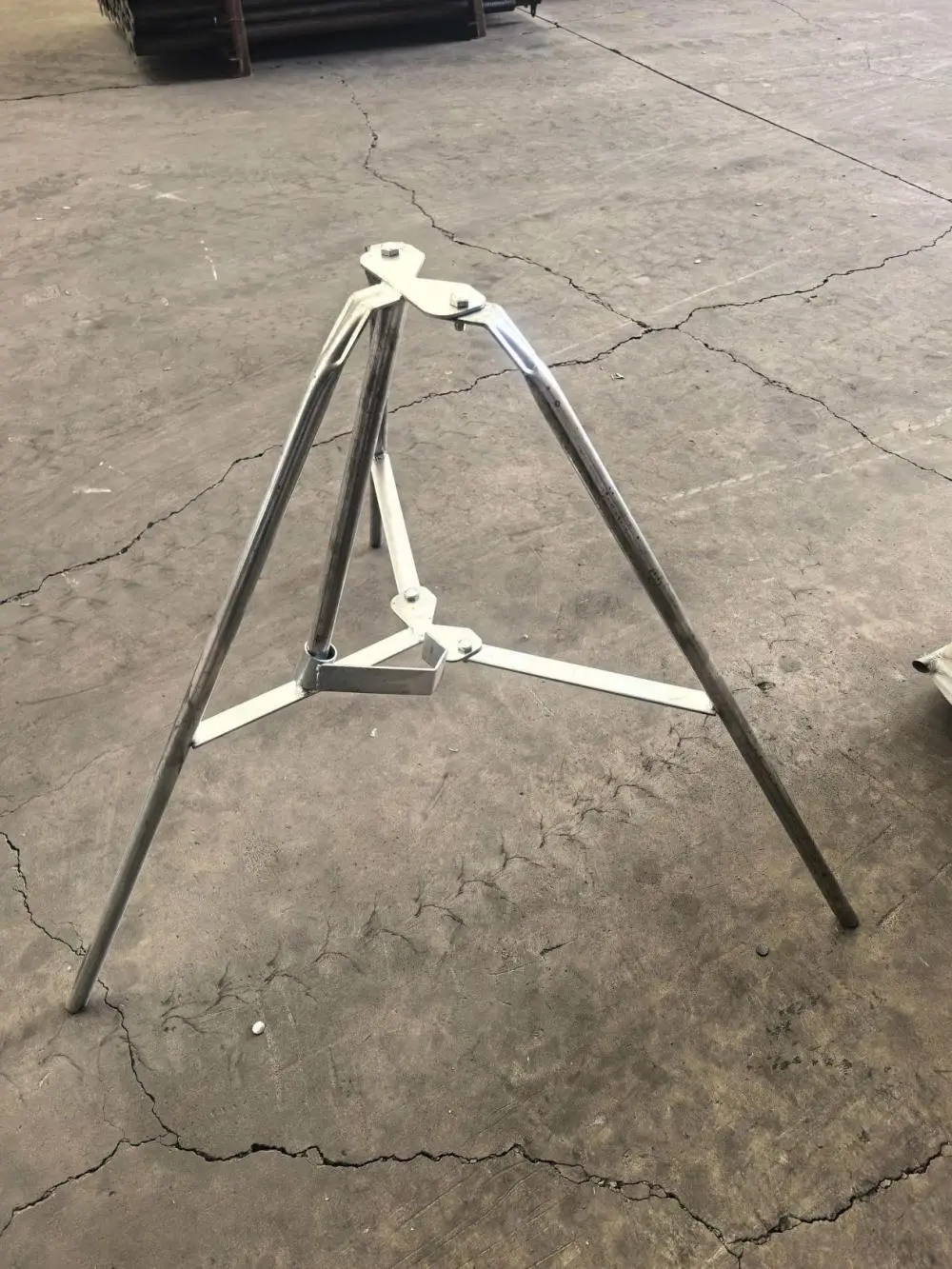
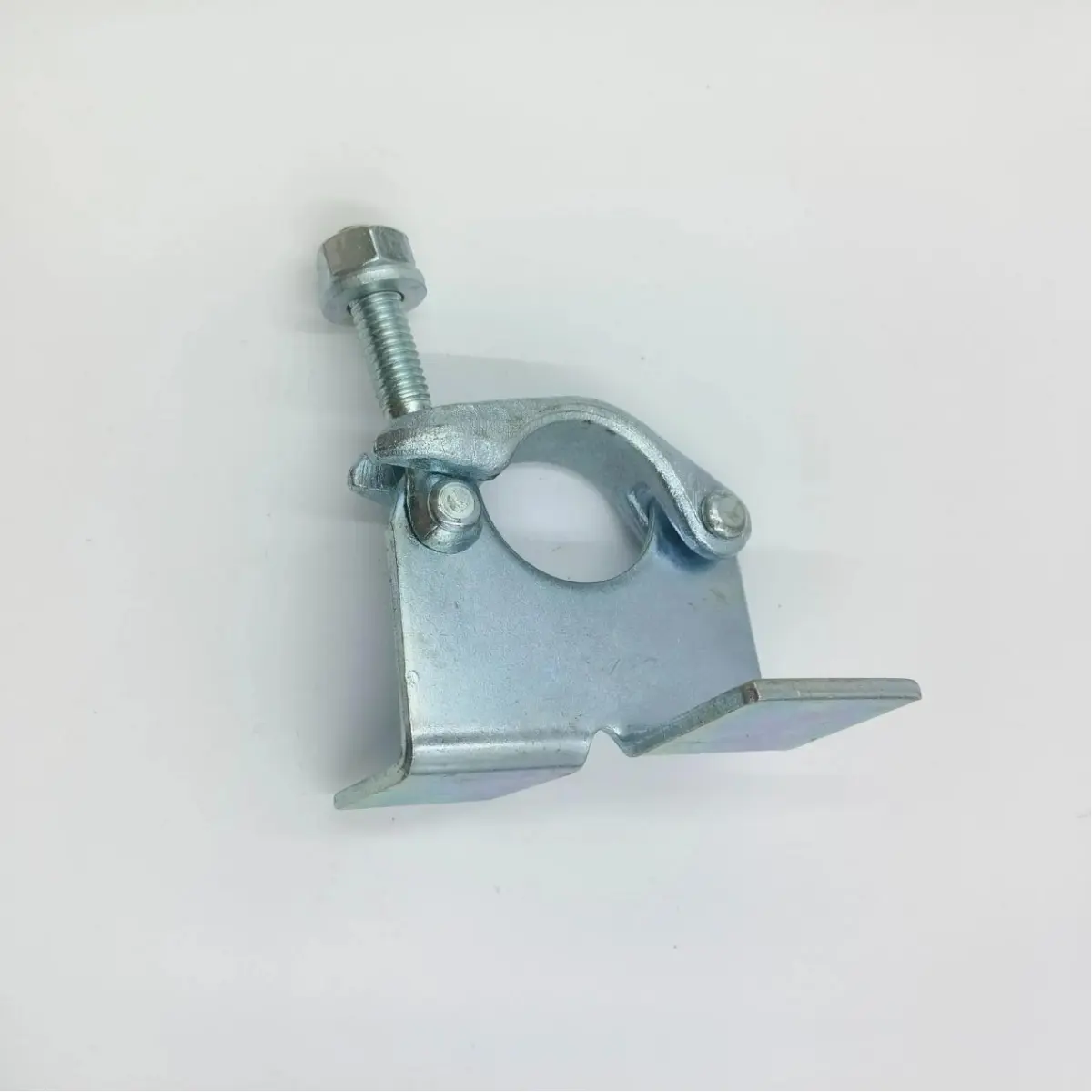
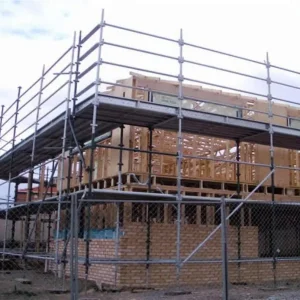
Analyzing structural safety, regulatory standards, and complex engineering challenges in global industrial projects.
Modern mega-scale civil, chemical, and nuclear installations demand highly engineered access systems. Traditional tube-and-clamp structures are rapidly giving way to structural modular systems such as Ringlock, Cuplock, and Kwikstage. This evolution is driven by the global imperative to reduce structural failures, lower labor assembly times, and achieve strict compliance with regional safety frameworks. Regional standards like Europe's BS EN 12810/12811, North America's OSHA 1926 subpart L, and Australia's AS/NZS 1576 mandate precise mechanical behavior under heavy loads, requiring all structural scaffold system components to undergo intense physical stress analyses.
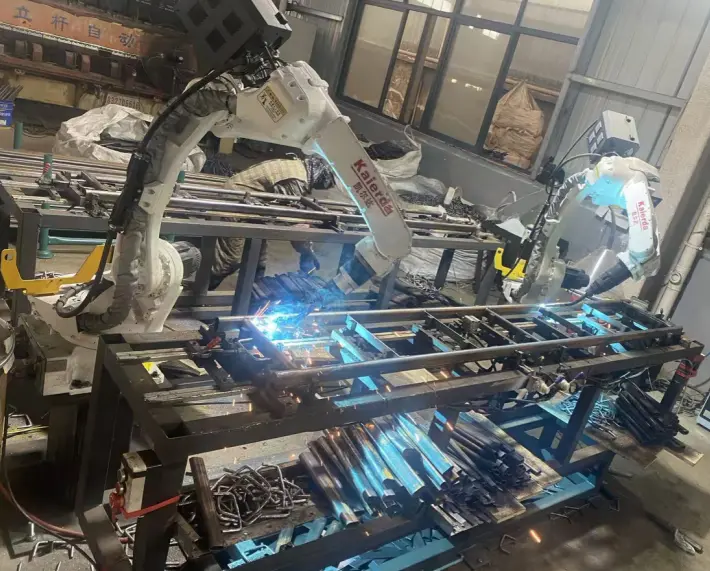
In highly regulated industries—such as offshore oil and gas platforms, LNG terminal expansions, and nuclear power plant shutdowns—scaffold systems are classified as critical safety components. Sourcing managers are shifting from local fabrication toward certified Original Design Manufacturers (ODM) and Original Equipment Manufacturers (OEM) who can guarantee structural integrity through documented metallurgical analysis, advanced robotic welding, and dynamic fatigue testing.
Consequently, procurement portfolios in regions like Europe, North America, and the Middle East are evaluating manufacturers on structural load distribution capabilities, anti-slip surface properties, and advanced hot-dip galvanization thickness to prevent internal corrosion in humid or coastal environments.
Discover the integration of automated structural steel production, strict testing regimens, and cost-efficient supply chains.
China remains the center of high-quality industrial steel scaffolding production. The synergy between proximity to raw steel smelting clusters, automated fabrication technology, and large-scale manufacturing optimization creates a competitive advantage that local Western fabrication facilities cannot match. But cost is only one variable: modern Chinese scaffolding suppliers leverage advanced technological frameworks to deliver superior products:
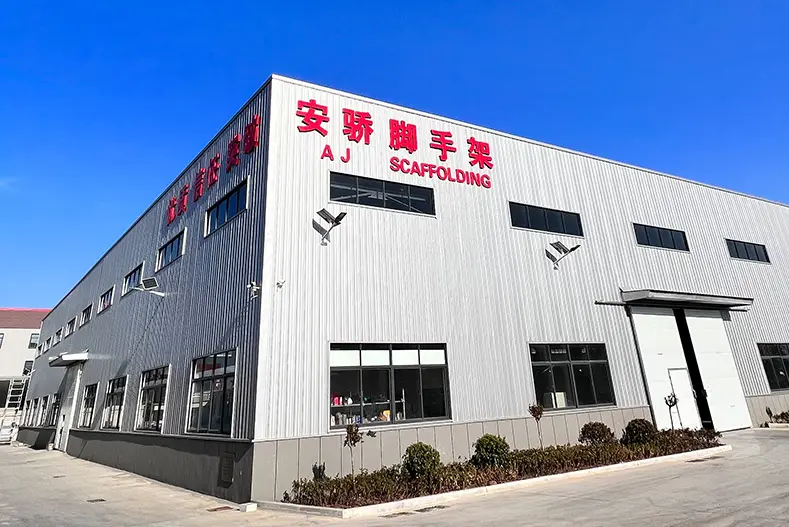
Established in 2013, Tianchang AJ Metal Products Technology Co., Ltd. (also recognized globally as AJ Scaffolding Manufacturer) built its foundation by engineering structural access configurations for the most demanding applications in China's domestic nuclear power, chemical, railway, and commercial shipbuilding sectors. Our team has collaborated with leading global enterprises including BASF, Shell, and ExxonMobil, developing safe access platforms in complex chemical refineries.
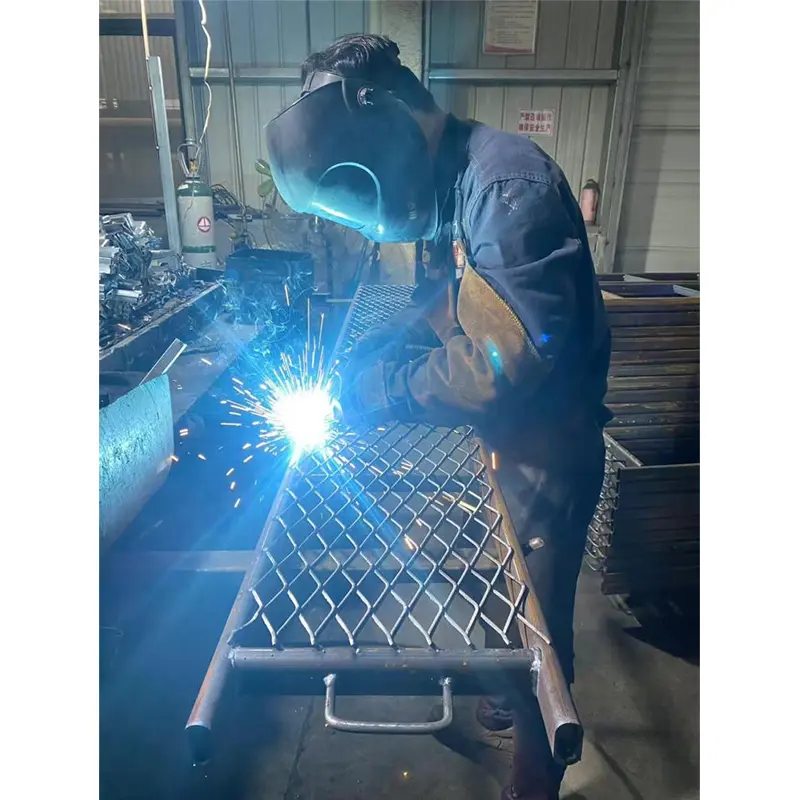
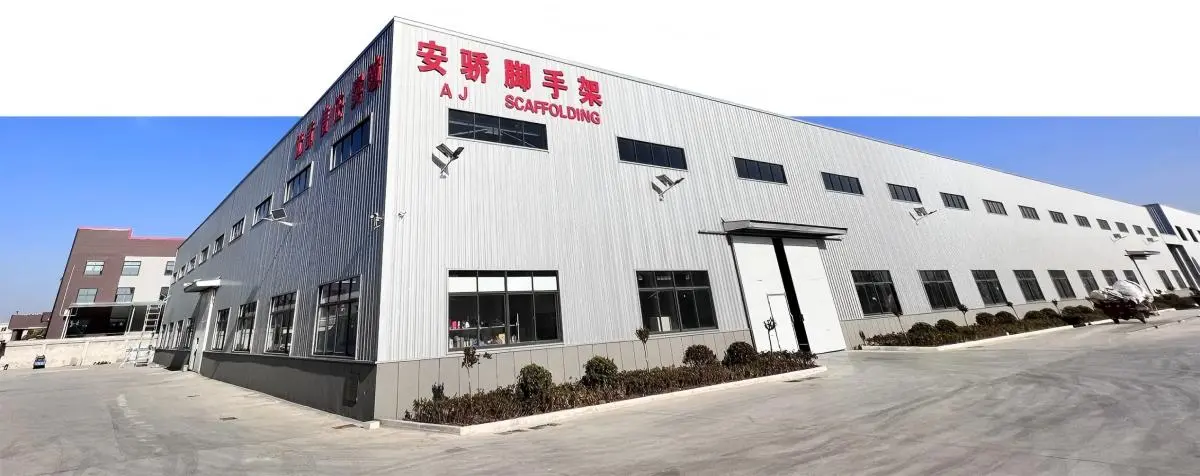
From 2018 onward, we expanded our business model to offer comprehensive OEM/ODM structural contract manufacturing. Operating from a state-of-the-art 12,000+ square meter factory, our manufacturing processes are backed by a comprehensive Quality Management System (QMS) focused on continuous product refinement, carbon footprint reduction, and rigorous ESG-compliant manufacturing practices.
Engineered scaffold configurations tailored to unique structural demands and site safety requirements.
A direct engineering comparison between traditional and modern modular scaffold systems.
For procurement professionals, understanding the structural differences between traditional tube-and-clamp configurations and modern modular systems is crucial for managing site efficiency and budget. Below is an engineering analysis of their mechanical characteristics:
In mega projects, utilizing a modular system significantly reduces labor costs, decreases training requirements, and ensures consistent structural alignment across complex setups.
Innovations driving safety, digitization, and carbon reduction in structural engineering.
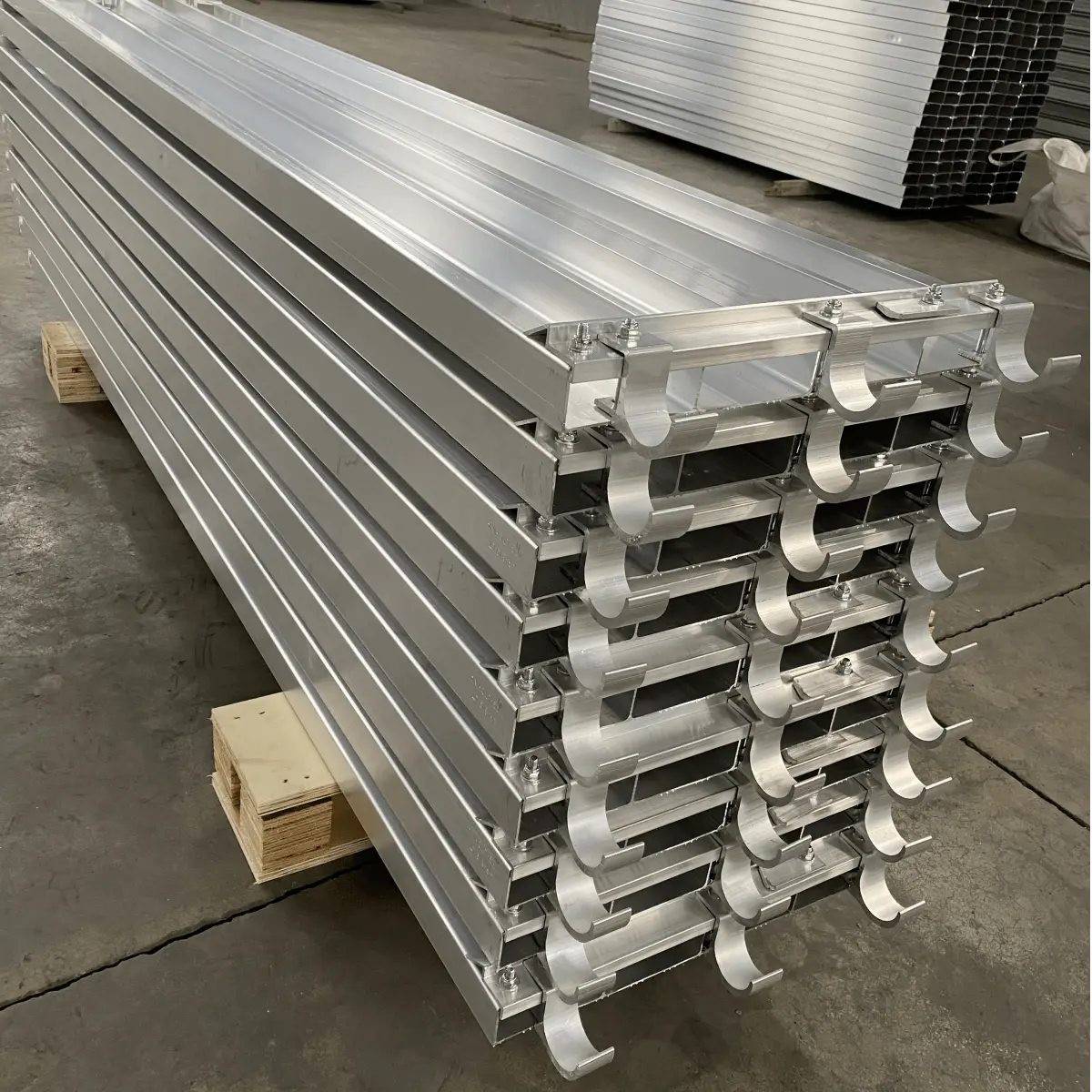
Advancements in high-tensile structural aluminum alloys (such as 6061-T6) are reducing component weight without sacrificing load-bearing capacity. These lightweight profiles improve safety during assembly and lower transportation emissions.
Modern engineering setups utilize Building Information Modeling (BIM) to plan scaffold layouts. This approach allows designers to simulate exact structural loading, perform clash detection, and generate accurate Bills of Materials (BOM) before fabrication begins.
Leading suppliers are incorporating eco-friendly zinc recycling processes in galvanization lines and utilizing recycled high-tensile steel to reduce the carbon footprint of structural components.
Key quality control checklists and testing standards for global procurement managers.
Purchasing industrial scaffolding components directly from overseas factories requires robust quality control protocols to ensure site safety. Procurement professionals should prioritize the following verification steps:
Verify that the factory is certified under ISO 9001:2015 for quality management. For welded steel structures, ensure the supplier maintains welder qualifications certified under ISO 9606 or equivalent AWS standards.
Request magnetic testing reports showing compliance with ISO 1461. The average galvanization thickness should not fall below 85 microns, especially for items exposed to marine or harsh industrial environments.
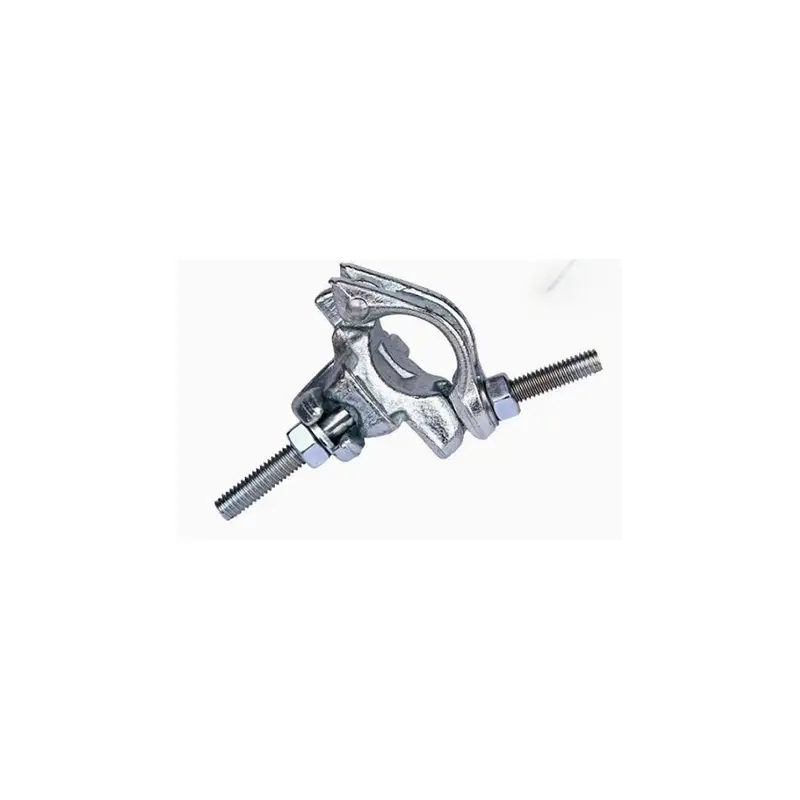
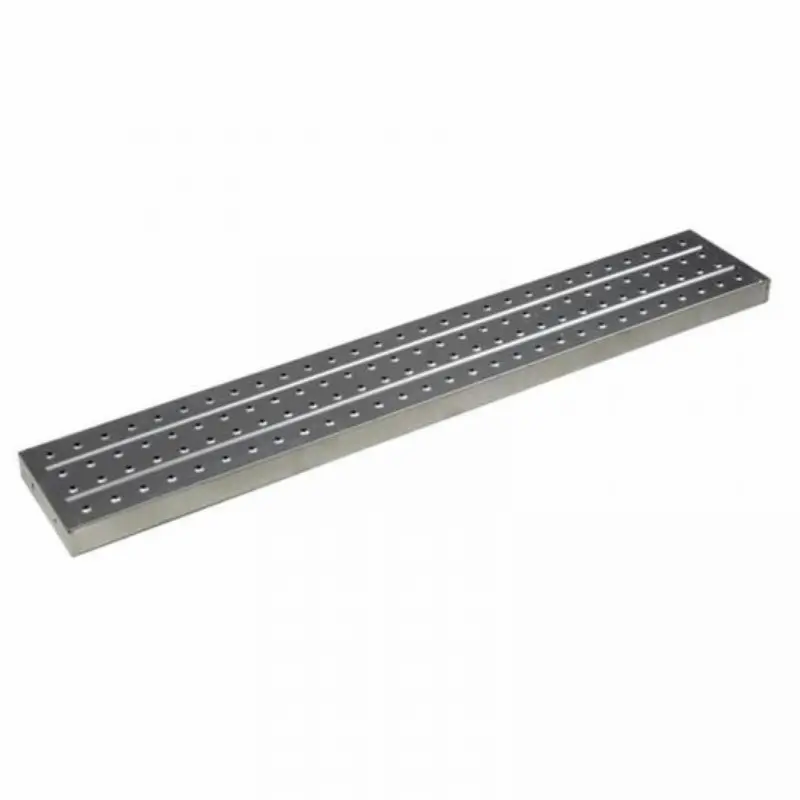
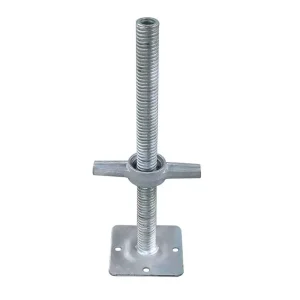
Ensure that structural components—particularly swivel couplers, steel boards, and base jacks—have documented test results demonstrating compliance with EN 74-1 Class A or B slip resistance and load-carrying limits.
Detailed technical answers addressing common scaffolding engineering and procurement questions.
Get in touch with our engineering team for customized ODM design, production pricing, and structural testing reports.
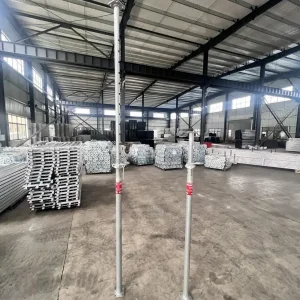
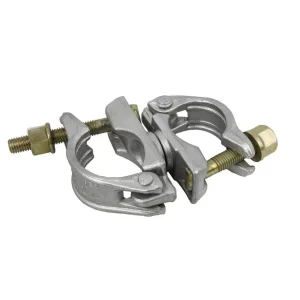
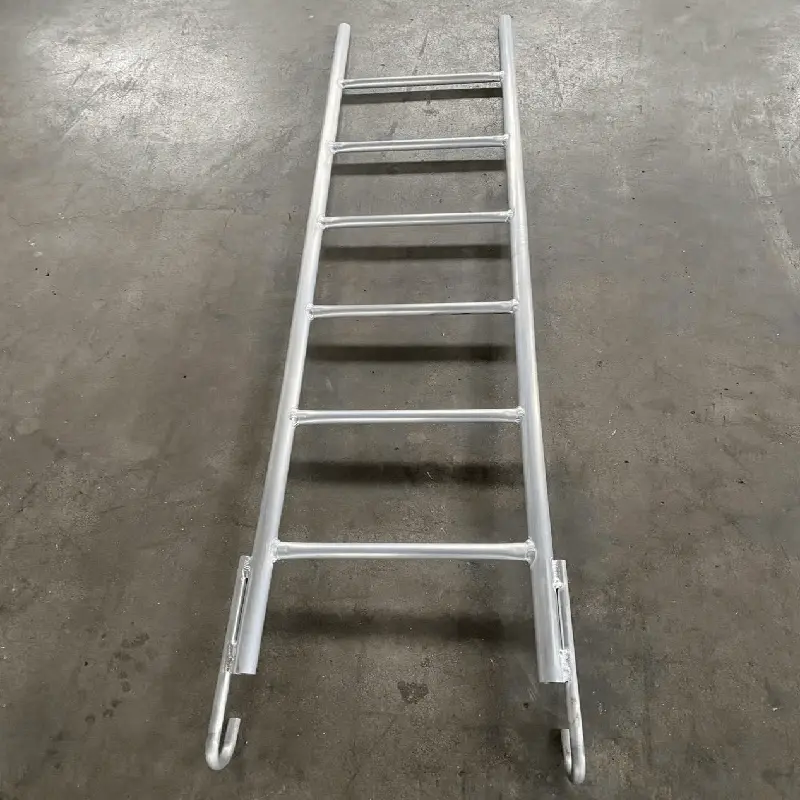
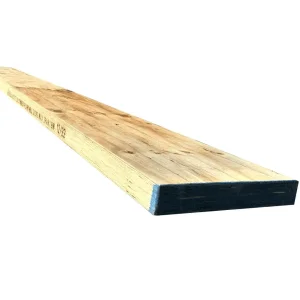
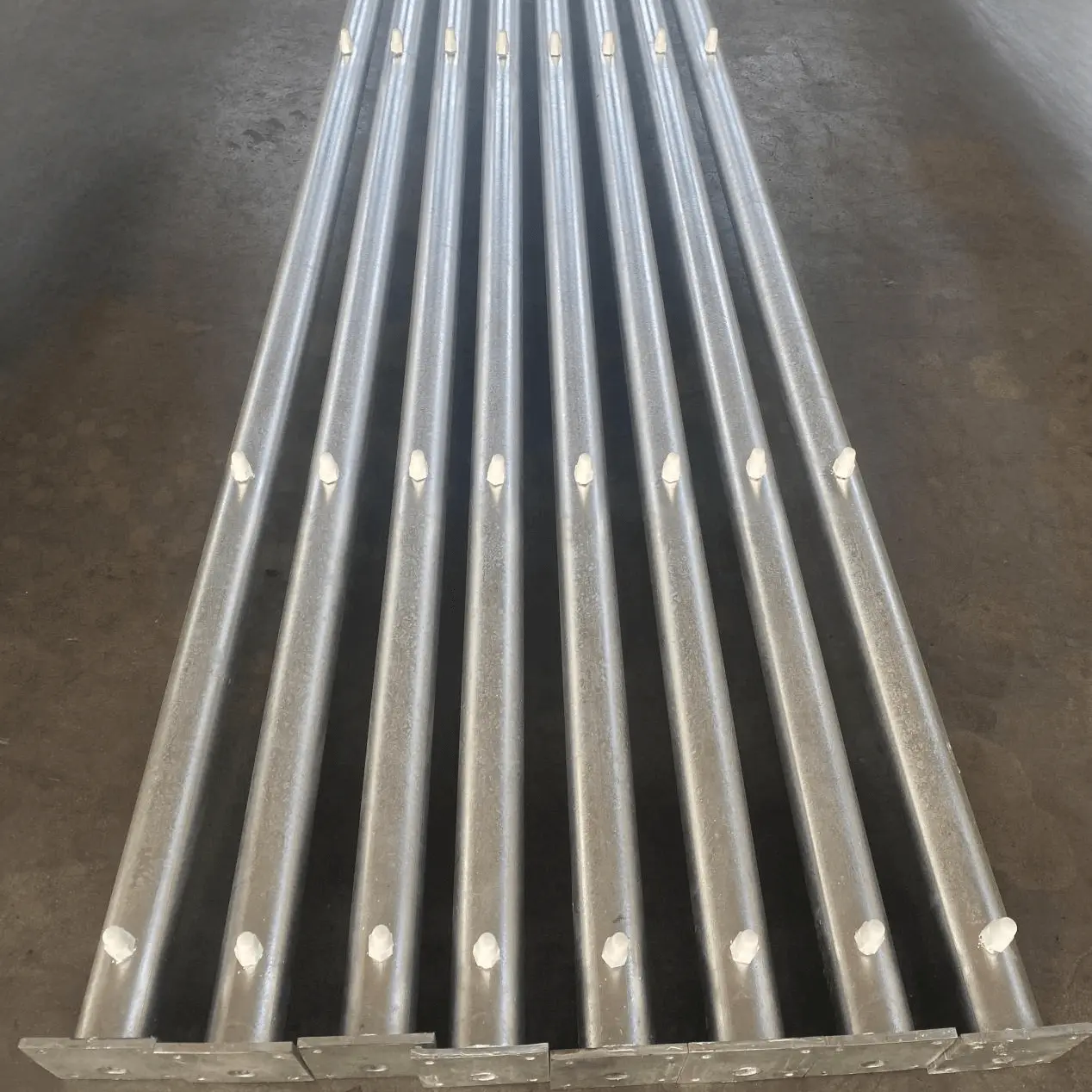
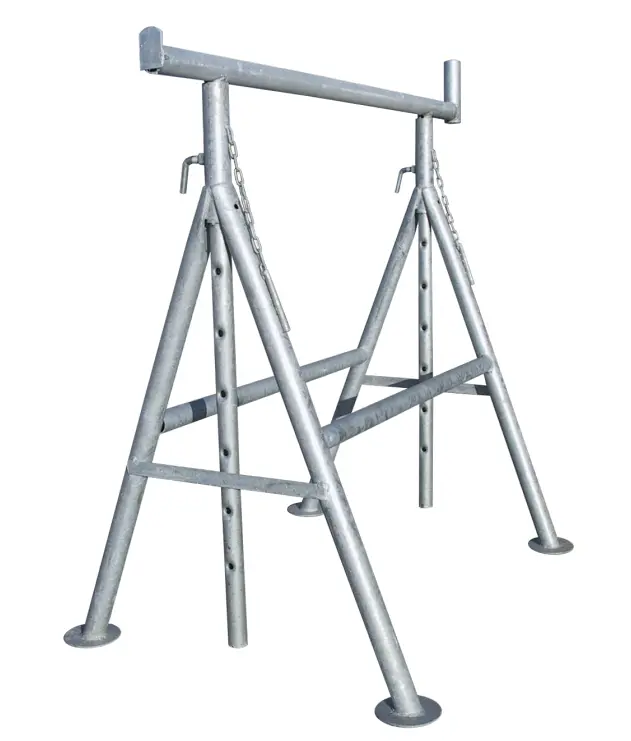
Request a Custom Quote NowComplete your scaffolding configurations with certified adjustable base jacks, drop-forged couplers, walkway boards, and heavy-duty structural shoring props.
Stay up to date with global scaffolding safety trends, market analyses, and technical updates.
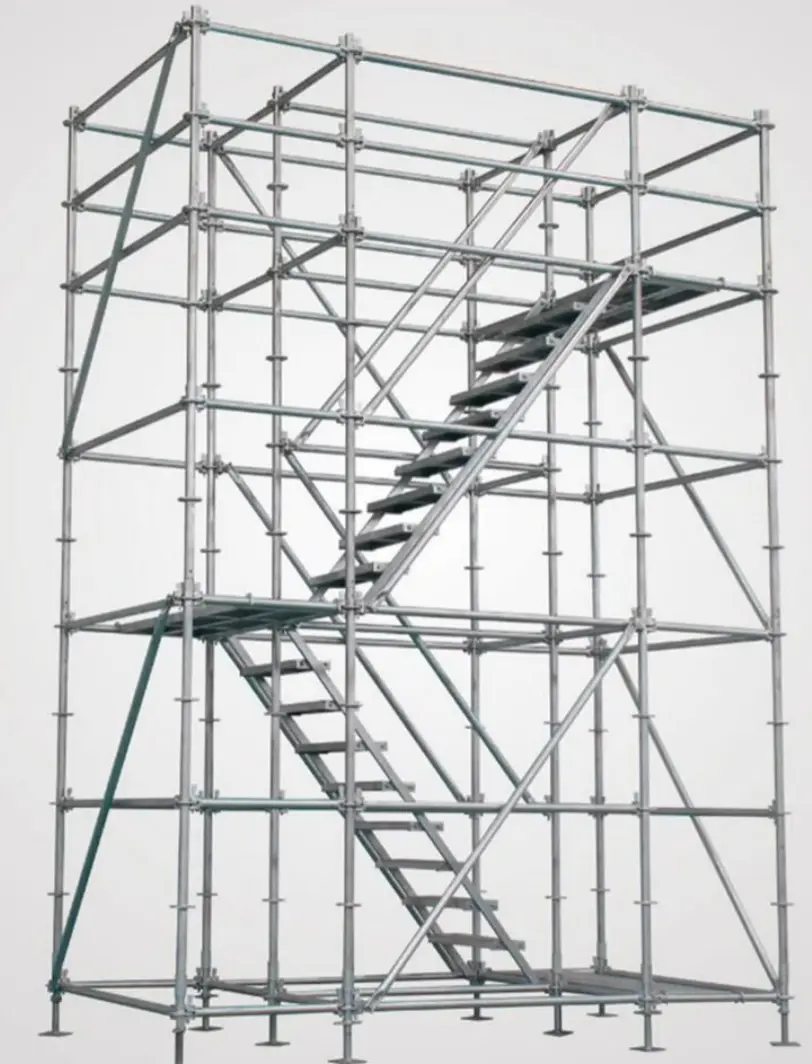
An in-depth look at modular ringlock systems. Learn about EN 12810 certification, loading classes, and how the rosette connector speeds up site assembly compared to traditional configurations.
An analysis of direct import pricing from Chinese factories. Understand the impact of steel index pricing, hot-dip galvanizing costs, and freight options on your overall procurement budget.
Analyzing the steady demand for Kwikstage modular setups across major markets. Discover how new safety regulations are driving upgrades from traditional tube systems to modular configurations.
 AJ Metal