Premium architectural and heavy-duty structural support components built to meet strict ISO and EN standards.
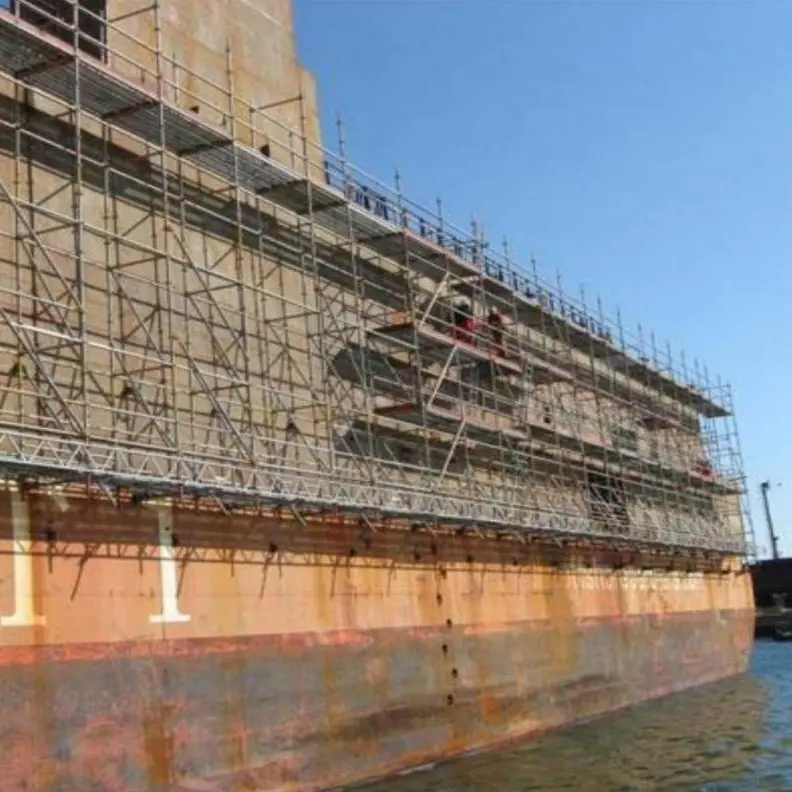
Advanced modular ringlock configuration featuring certified high-yield structural steel. Hot-dip galvanized coating ensures extreme longevity and superior corrosion defense under harsh industrial exposures.
Explore Specifications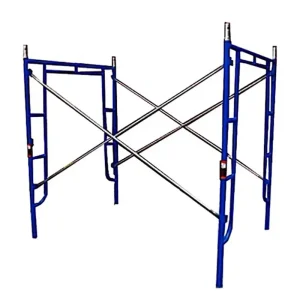
High-load engineered structural frames engineered for quick assembly and structural rigidness. Tailor-made specifications serve high-rise building facades and complex masonry requirements.
Explore Specifications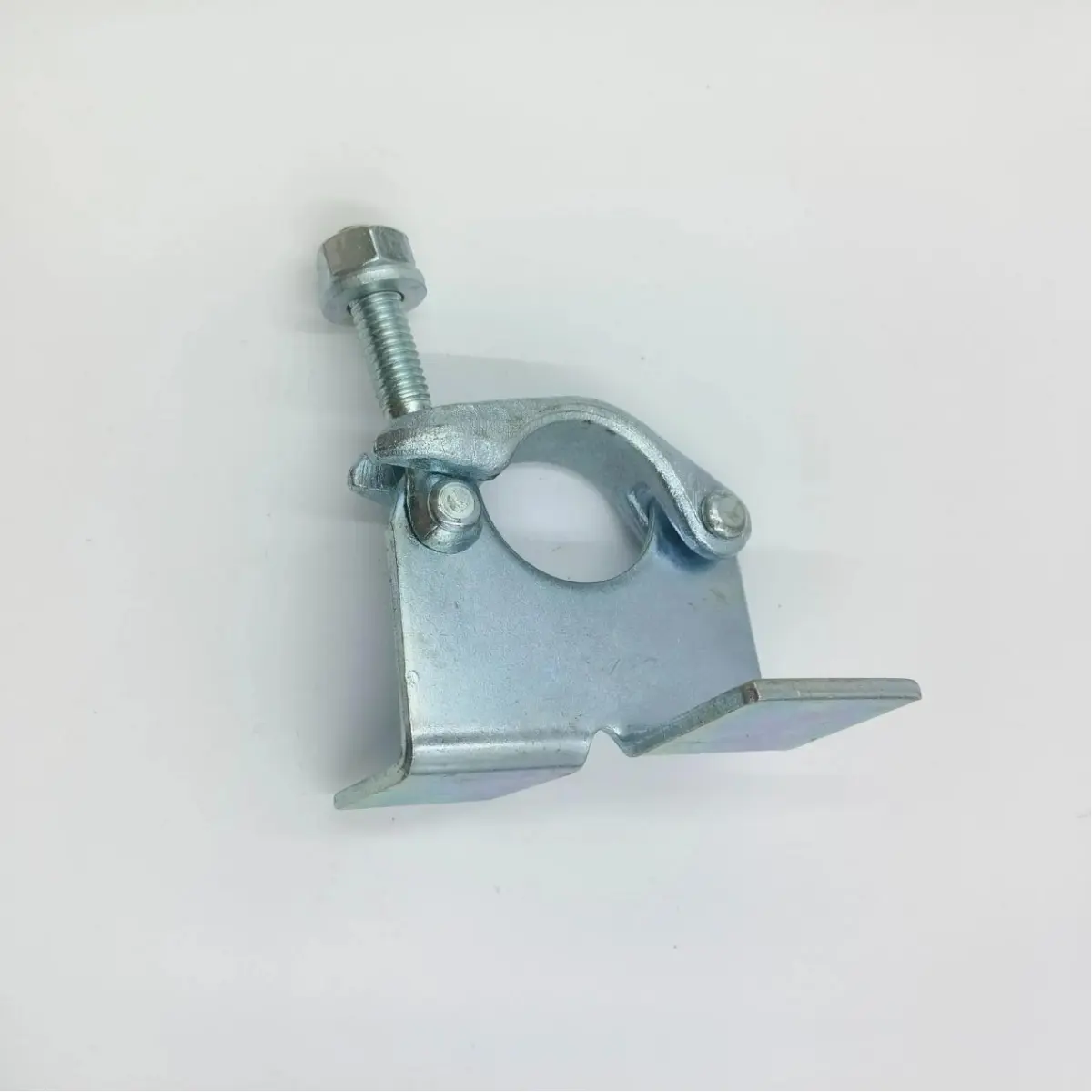
Essential fall-protection and wind-lock component designed to securely lock down metal or wood scaffold planks, maintaining safety compliance under critical wind load calculations.
Explore Specifications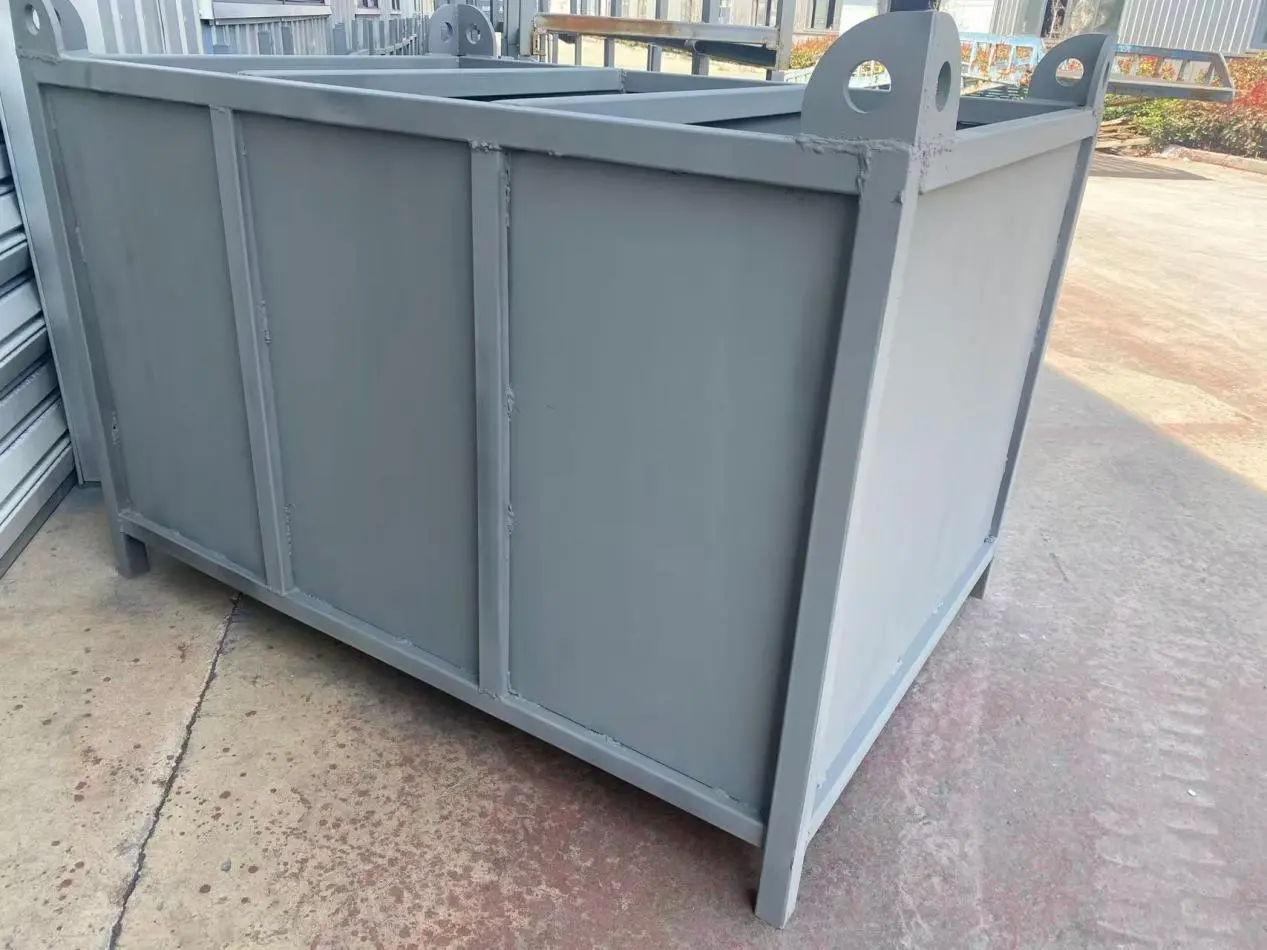
Industrial grade, stackable material handling storage cages. Developed to withstand rigorous handling at active construction yards and maritime staging areas.
Explore Specifications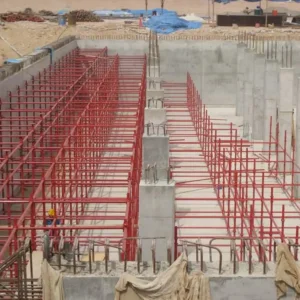
Heavy-duty multi-purpose steel support system. Highly utilized in mining, petrochemical refineries, and civil engineering infrastructure for fast connection nodes.
Explore Specifications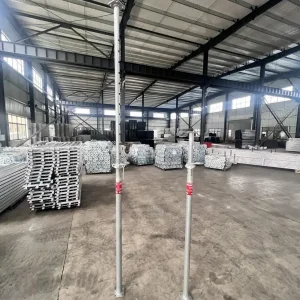
Anti-slip perforated metal decks configured with structural stiffness. Provides safe, slip-resistant walkways for industrial high-elevation worksites.
Explore Specifications
Heavy-duty adjustable steel shoring columns designed for vertical concrete framework support. Rated for extreme axial load limits under global building guidelines.
Explore Specifications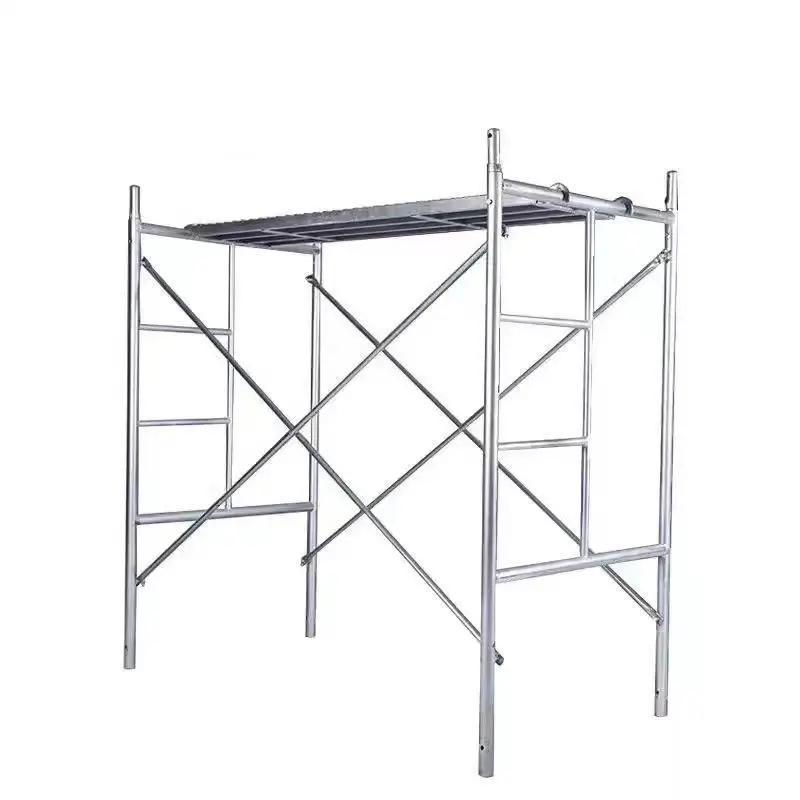
Standardized mason and walk-through H-frames optimized for maximum internal walkway clearance. Manufactured with high-strength structural grade pipes.
Explore SpecificationsThe modern industrial construction sector is undergoing a profound paradigm shift. No longer is scaffolding treated as temporary, generic hardware. Instead, multi-million dollar capital expenditure infrastructure projects across North America, Europe, the Middle East, and the Asia-Pacific region demand high-precision structural steel assets. Complex mega-structures, petrochemical refineries, deepwater shipping ports, and advanced nuclear power installations require reliable engineering, fail-proof configurations, and long-term durability.
Regulatory requirements such as the European standard EN 12810/EN 12811, the American national standard ANSI/ASSE A10.8, and Australian standard AS/NZS 1576 mandate zero-failure designs. The modern engineering environment cannot tolerate failures related to weld weaknesses, raw material impurities, or poor surface protection. Consequently, the selection of an OEM (Original Equipment Manufacturer) scaffold fabrication partner has become a key risk management decision. For procurement executives and structural design engineers, selecting a manufacturer is no longer just about matching price per ton; it requires verifying strict mechanical performance, chemical composition traceability, and high manufacturing volume efficiency.
SEO Insight & Information Gain: Scaffolding material yield strength is the foundation of high-elevation safety. Selecting structural steel grade Q355B over standard low-carbon alternatives yields a 50% increase in load capacity under buckling calculations (Euler-Bernoulli beam theory). Standardizing premium raw materials minimizes overall steel consumption, leading to lower logistical weights and faster erection times on site.
Industrial scaffolding demand is closely linked to civil infrastructure investments and heavy industrial maintenance. In North America and Europe, strict occupational safety regulations require rapid assembly systems like Ringlock and Cuplock, pushing out traditional tube and clamp methods. In emerging economies, rapid urbanization drives the need for high-strength, affordable frame systems.
However, local fabrication in Western countries often faces high labor costs, metal processing limits, and challenges in scaling production quickly. This has led leading global construction contractors to seek strategic partnerships with Asian manufacturers capable of handling massive supply runs while meeting strict certification requirements.
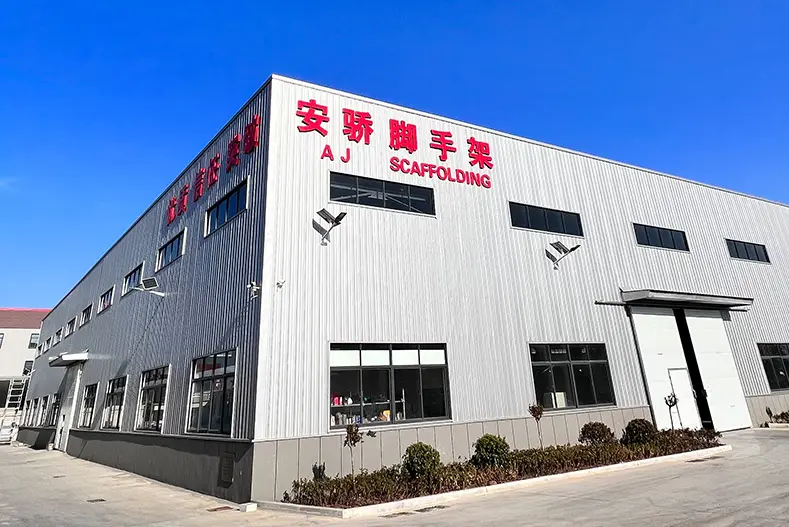
Verified manufacturing performance built over a decade of high-stakes industrial supply.
Established in 2013, Tianchang AJ Metal Products Technology Co., Ltd. (also recognized globally as AJ Scaffolding Manufacturer) entered the industry by supporting challenging construction environments. Initially, our engineering resources were focused on China’s domestic nuclear power plants, chemical facility constructions, high-speed rail lines, marine shipbuilding, and specialized facilities for global chemical giants like BASF, Shell, and ExxonMobil. Working with these highly demanding companies helped us build a quality management culture focused on safety, precision, and reliable documentation.
In 2018, we expanded our operations to provide custom OEM and ODM manufacturing services for international trading firms, global scaffolding brands, and large industrial contractors. Our 12,000-square-meter facility utilizes automated welding robots, CNC pipe cutting systems, and custom stamping machinery to maintain consistent dimensions and fast delivery turnarounds.
Our manufacturing philosophy centers on strategic supply chain stability and strict Quality Management Systems (QMS). We use a comprehensive process from raw material chemical testing through to final load-bearing tests. This rigorous approach helps ensure that all structural steel components leave our factory prepared for long-term field use.
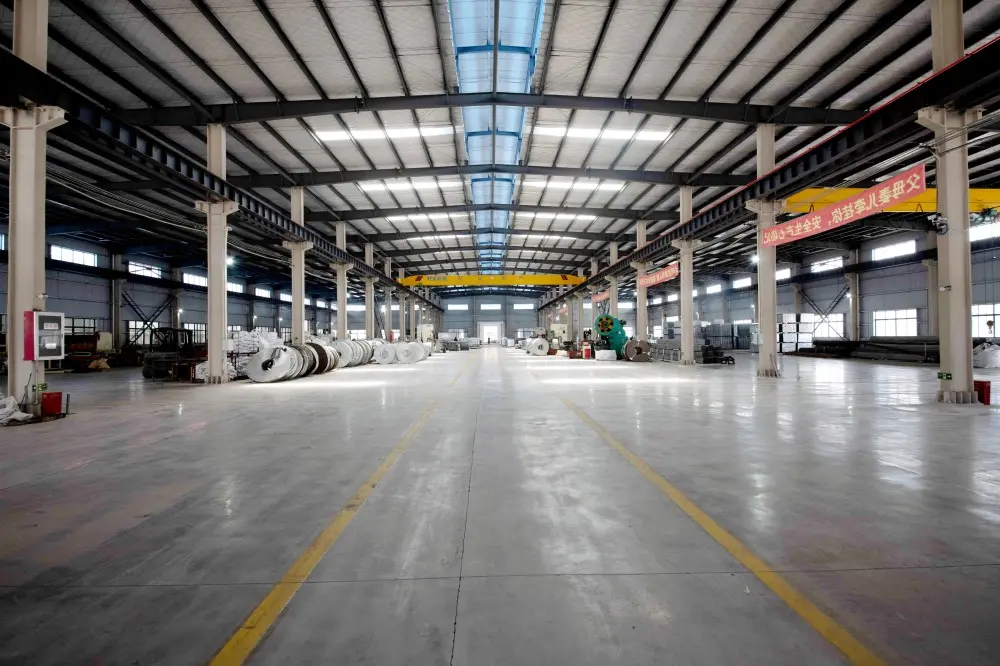
Automated cold-rolling and precise CNC pipe cutting lines designed to meet tight geometric tolerances.
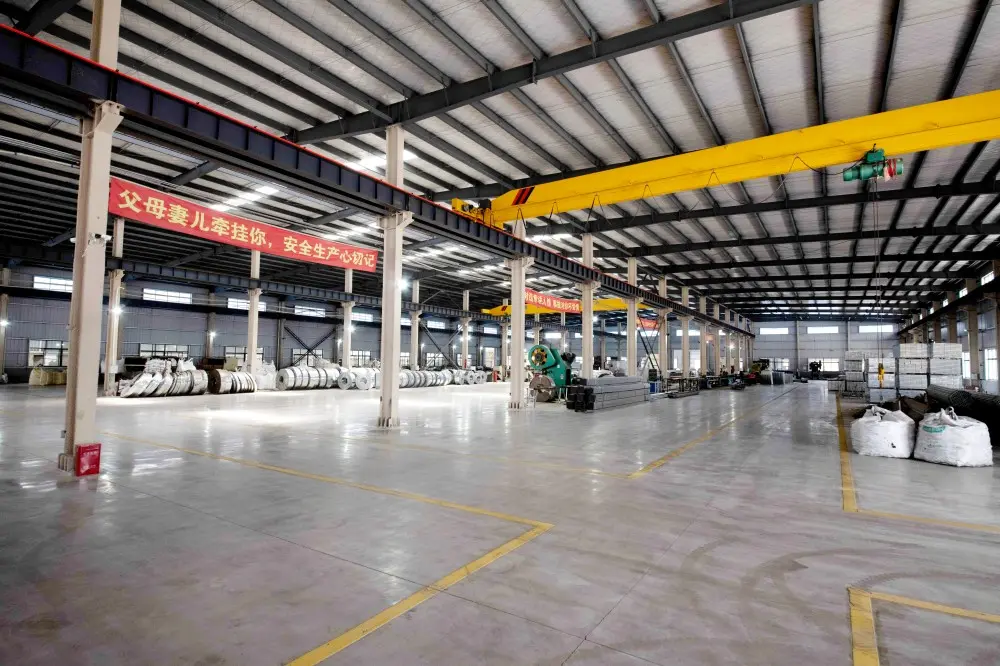
High-precision automated welding ensures deep weld penetration and clean joints, minimizing mechanical stress concentrations.
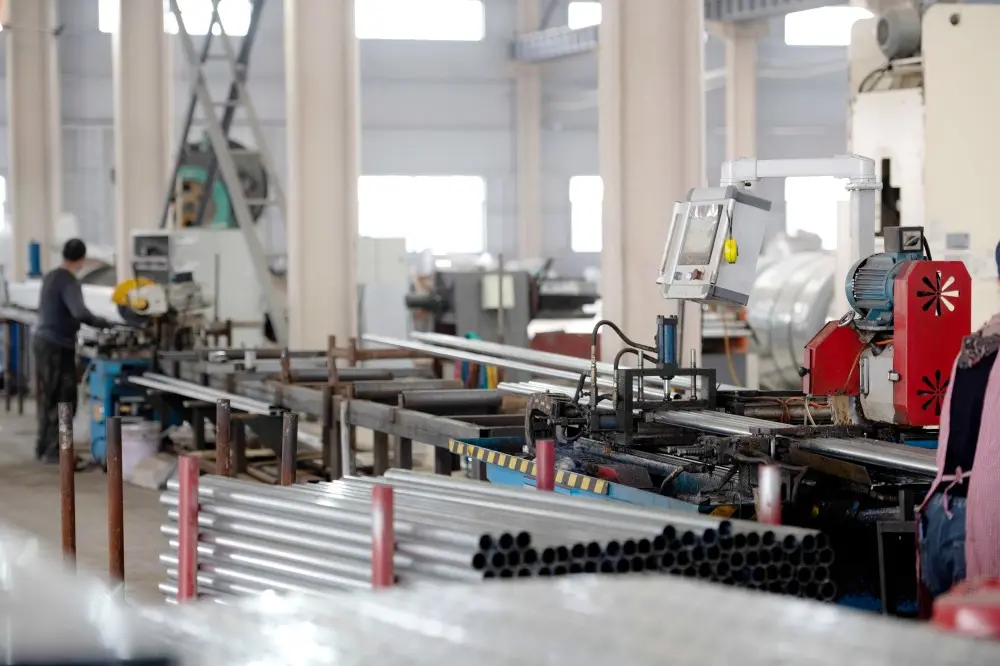
Systematic quality inspections trace heat numbers, zinc thickness levels, and dimensional accuracy to verify compliance.
Custom-engineered scaffolding structures designed to optimize safety, load distribution, and onsite productivity.
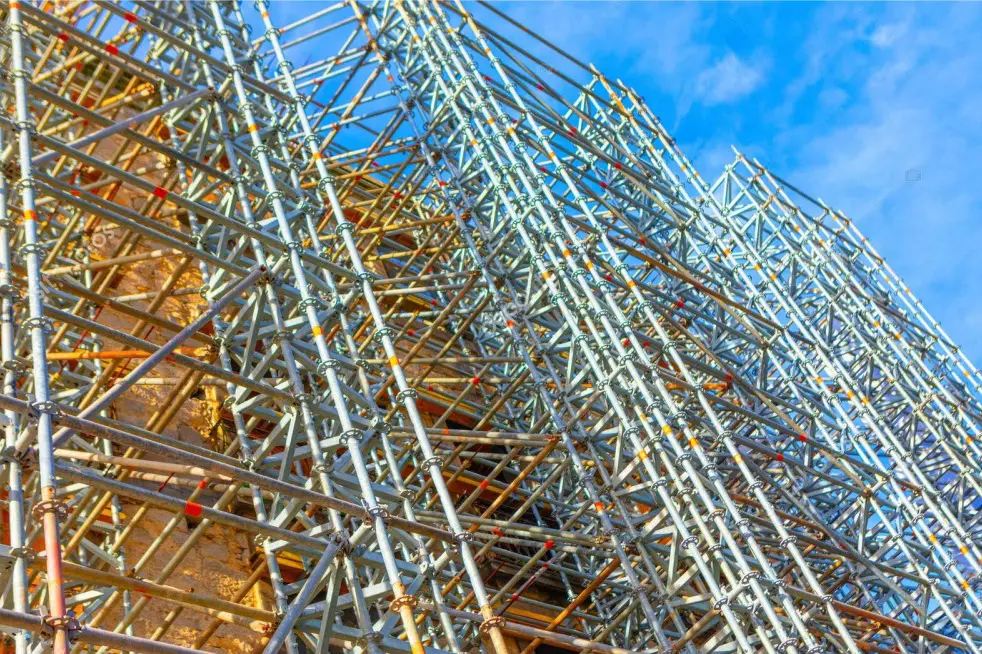
Designed to handle high wind forces and heavy loads in vertical construction. Engineered configurations reduce overall structural weight while maintaining structural safety.
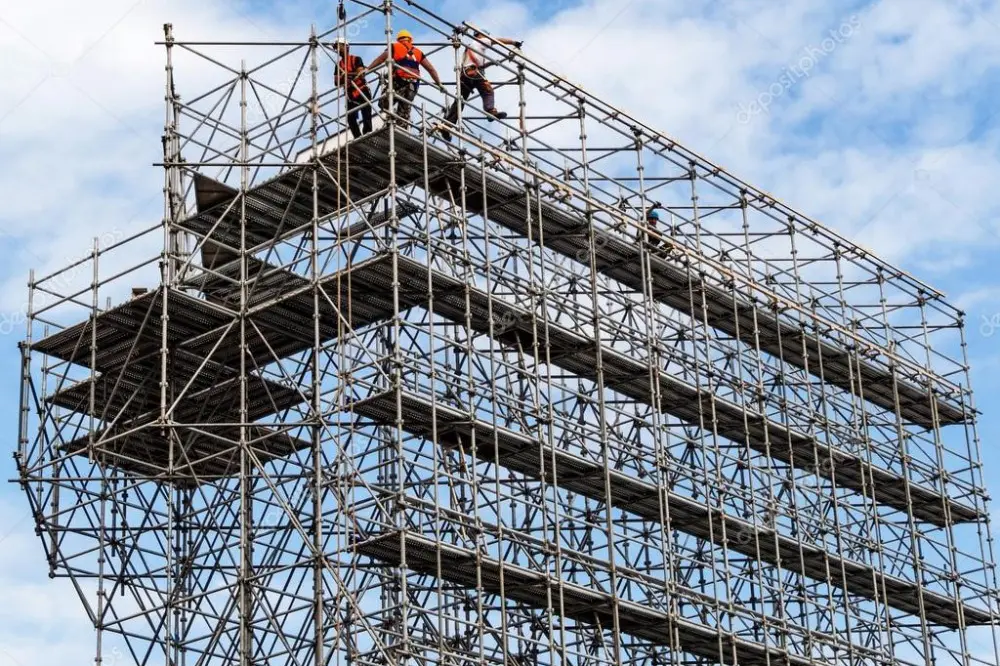
Custom-engineered scaffolding designed for complex environments like refineries, power plants, and chemical facilities. Provides durable access around piping networks and process columns.
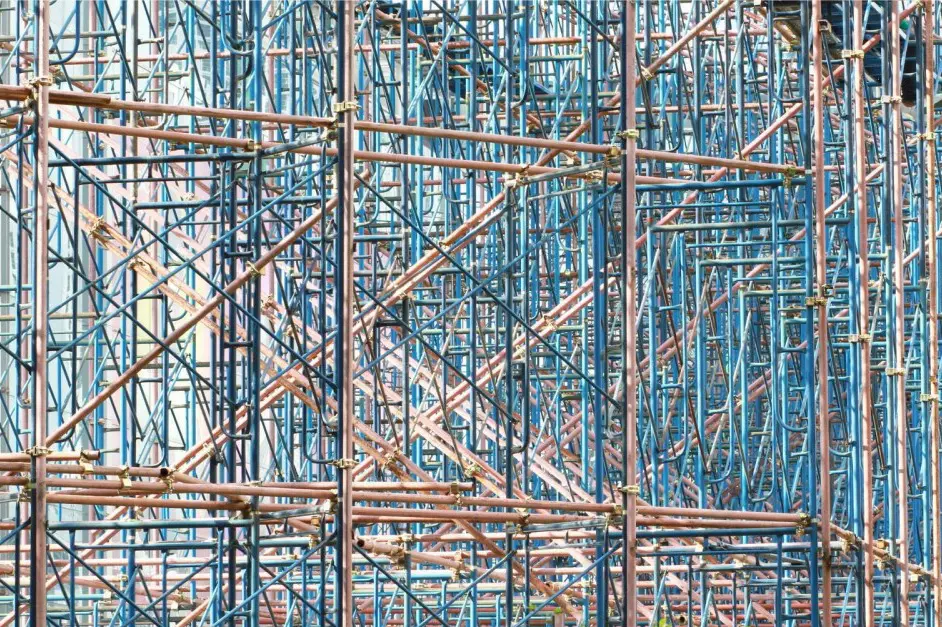
Heavy-duty shoring and suspended access designs engineered to support large-scale concrete formwork and horizontal structural profiles during civil infrastructure builds.
To understand why professional OEM scaffold manufacturing has concentrated in key industrial zones in China, it is necessary to analyze the underlying supply chain dynamics. Scaffold production requires reliable access to raw steel, efficient high-volume processing, and cost-effective hot-dip galvanization. AJ Metal's facility in Tianchang benefits from direct access to premium domestic steel producers, helping ensure consistent steel quality.
The safety of a scaffolding system begins with raw material selection. AJ Metal utilizes high-strength low-alloy structural steel, primarily Q355B and Q235B carbon steel. These steel grades are selected for their specific mechanical properties:
The weld joint is a critical element in scaffolding systems, particularly at the connection points of Ringlock rosettes and Cuplock nodes. AJ Metal uses automated robotic welding stations to achieve deep, uniform weld penetration.
By maintaining consistent temperature control and wire feed rates, our automated processes limit structural flaws like undercut, porosity, and incomplete fusion. Completed weld assemblies undergo testing, including macro-etch examination and load testing, to confirm structural performance.
For scaffolding materials exposed to industrial environments, maritime atmospheres, or coastal construction, corrosion protection is essential. AJ Metal utilizes an industrial Hot-Dip Galvanizing (HDG) process compliant with ISO 1461 and ASTM A123 standards.
Our steel components are immersed in a molten zinc bath at temperatures around 450°C (842°F). This process forms a series of iron-zinc alloy layers bonded to the steel surface. The resulting zinc coating, averaging over 80 microns in thickness, provides sacrificial protection that helps prevent rust development even if the outer layer is scratched during transit or handling.
Industrial Life-Cycle Evaluation: While painted or electro-galvanized scaffolding components may offer lower upfront costs, they often require replacement or recoating after 1–2 years in high-humidity or industrial environments. In contrast, Hot-Dip Galvanized (HDG) steel components typically remain maintenance-free for 15+ years under standard outdoor exposure, reducing the total cost of ownership (TCO).
For procurement departments managing international supply chains, coordinating logistics, custom specifications, and regulatory standards requires detailed execution:
Follow the latest updates on safety compliance, structural design, and steel market trends.
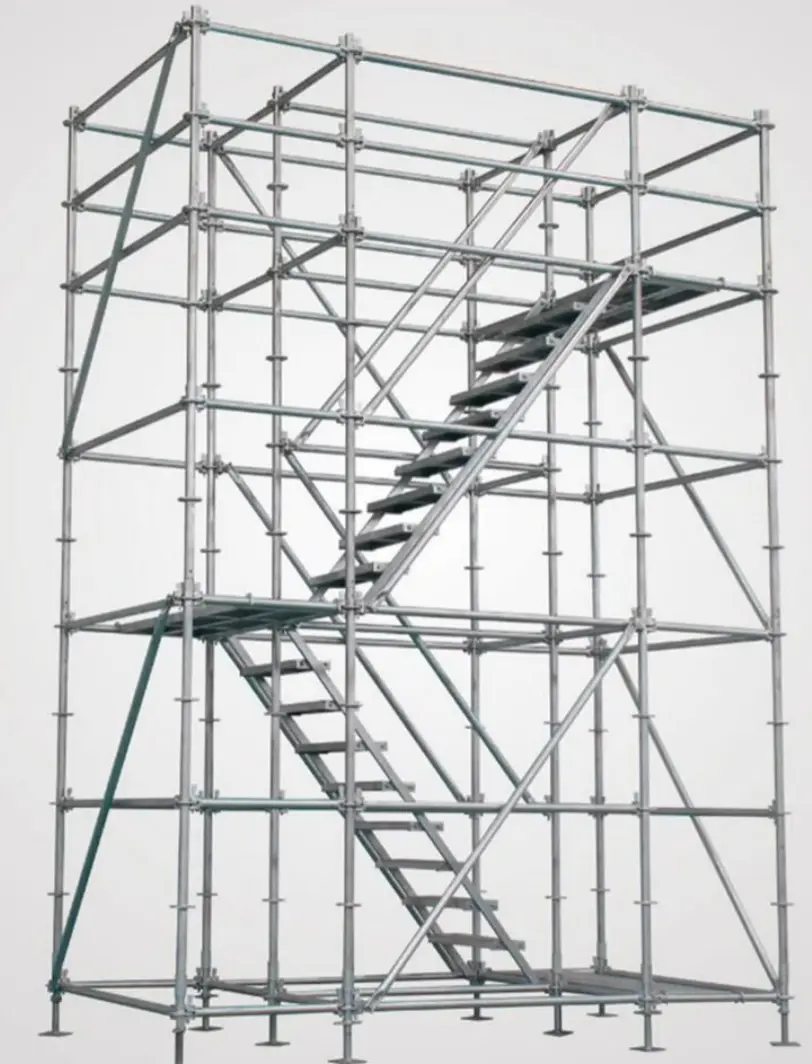
An in-depth review of modular Ringlock scaffolding productivity. Field studies indicate a 40% reduction in installation time compared to traditional tube-and-clamp setups, lowering labor costs on complex projects.
Published: Mar 30, 2026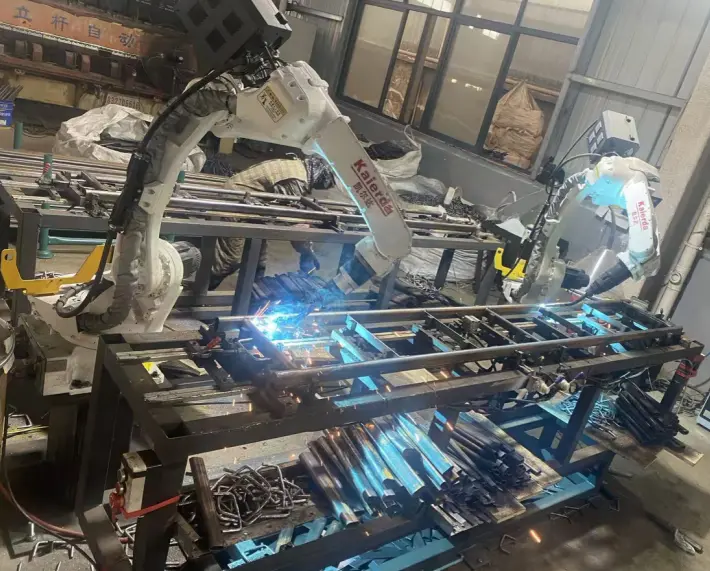
An analysis of raw steel prices, shipping rates, and hot-dip galvanizing energy costs. Our guide outlines key factors to help procurement teams manage budget fluctuations.
Published: Mar 24, 2026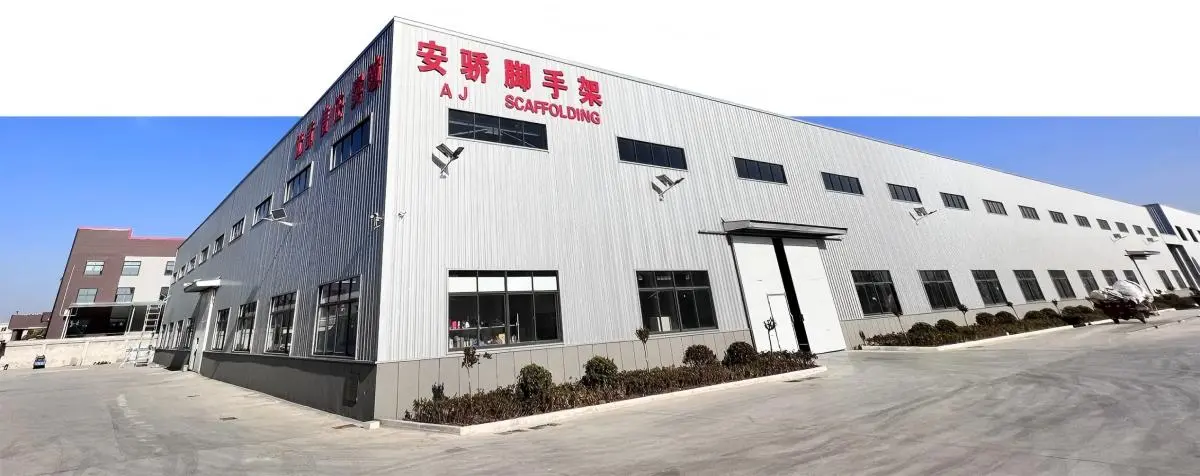
Reviewing market demand for Kwikstage systems in the UK, Australia, and South Africa. This report outlines structural design details and local safety regulatory requirements.
Published: Feb 18, 2026Detailed answers to key engineering, quality control, and international supply chain questions.
High-precision secondary access and safety components manufactured to support structural safety.
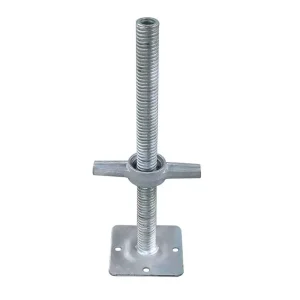
Solid-stem and hollow-pipe screw jacks designed for level adjustments on uneven ground. Features roll-threaded rods for reliable load support.
Explore Specifications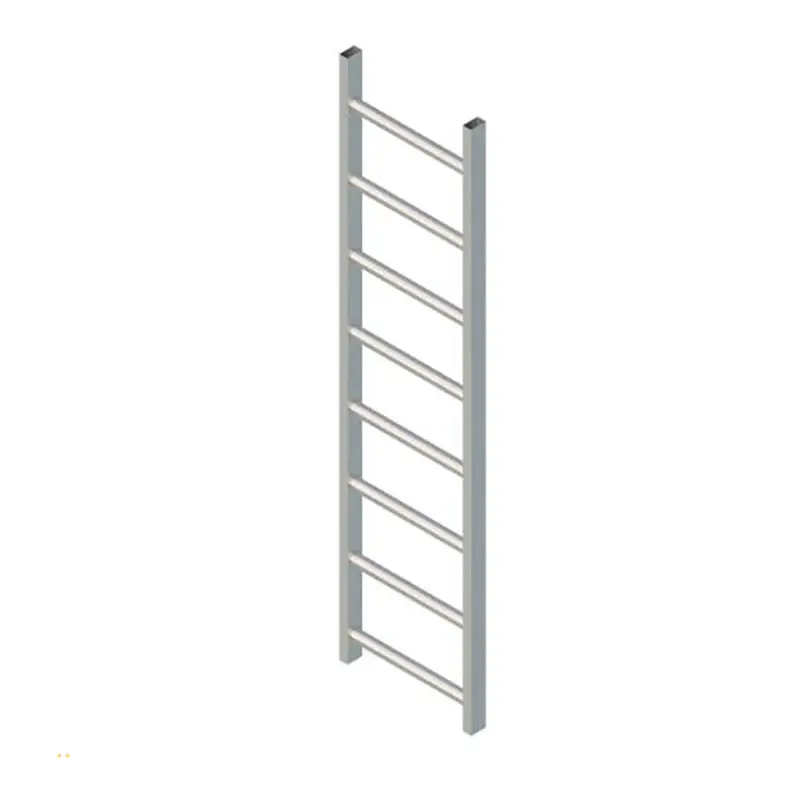
High-load welded steel access ladders designed for industrial scaffolding systems. Built with anti-slip rungs for secure climbing access.
Explore Specifications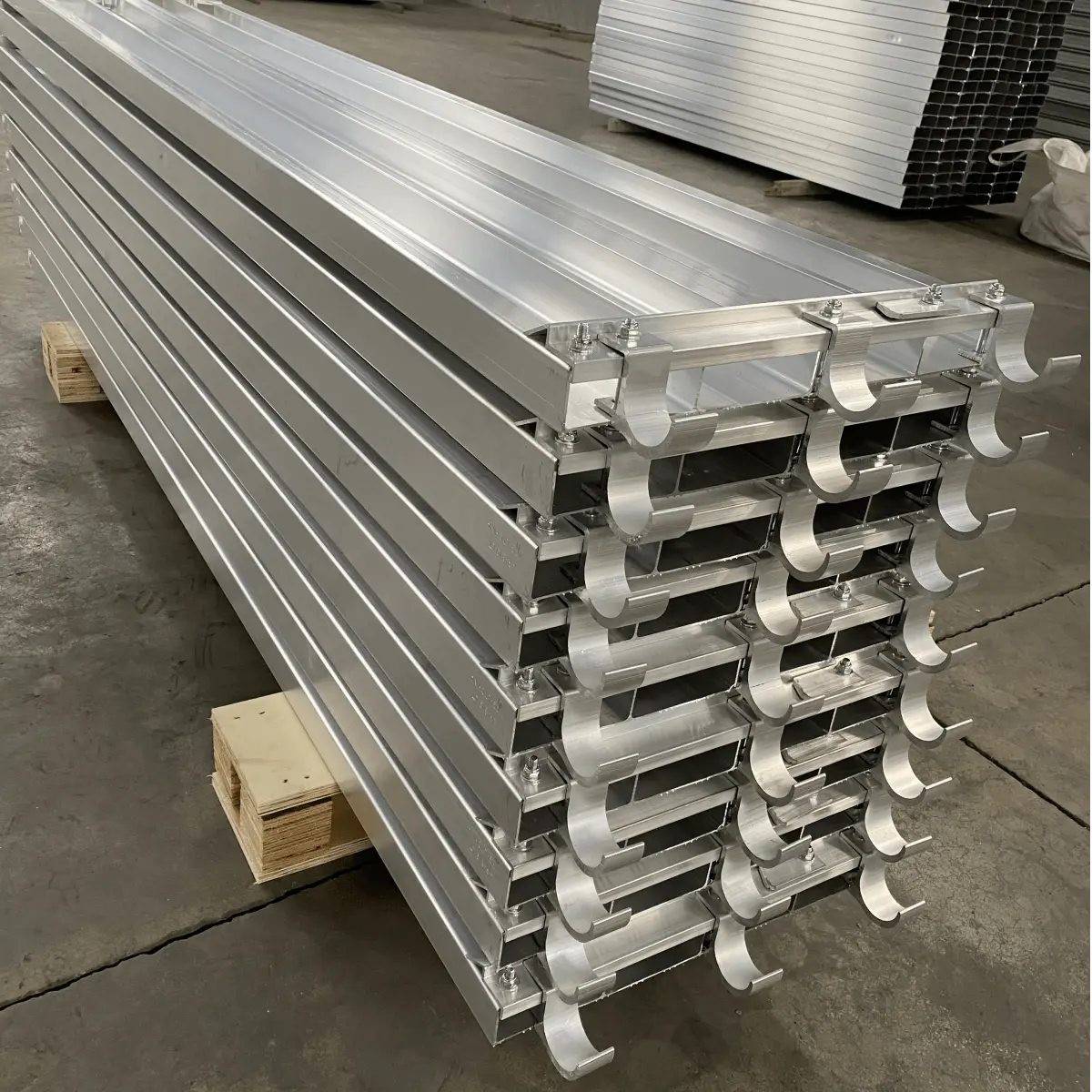
Lightweight, high-strength structural aluminum access ladders. Designed for fast hooks-on integration to scaffold horizontals.
Explore Specifications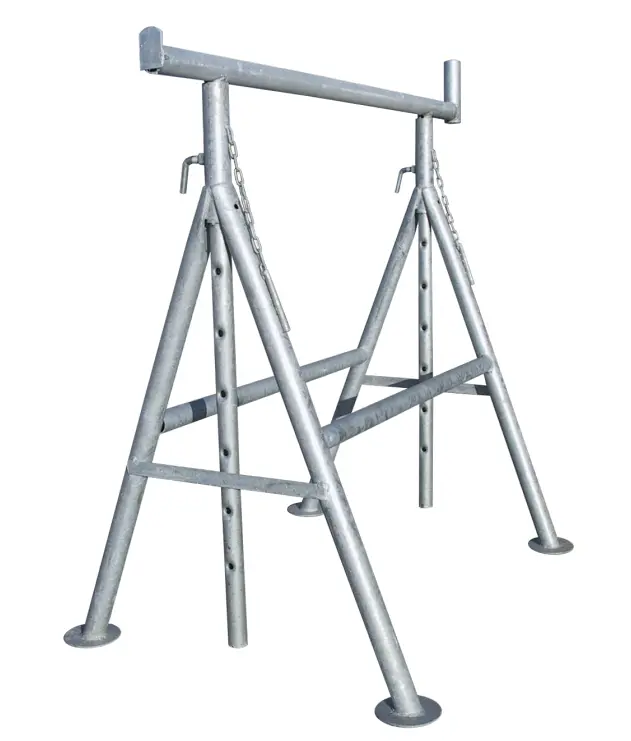
High-capacity support trestles designed for bridge scaffolding and heavy civil engineering shoring. Built for high mechanical load capacities.
Explore Specifications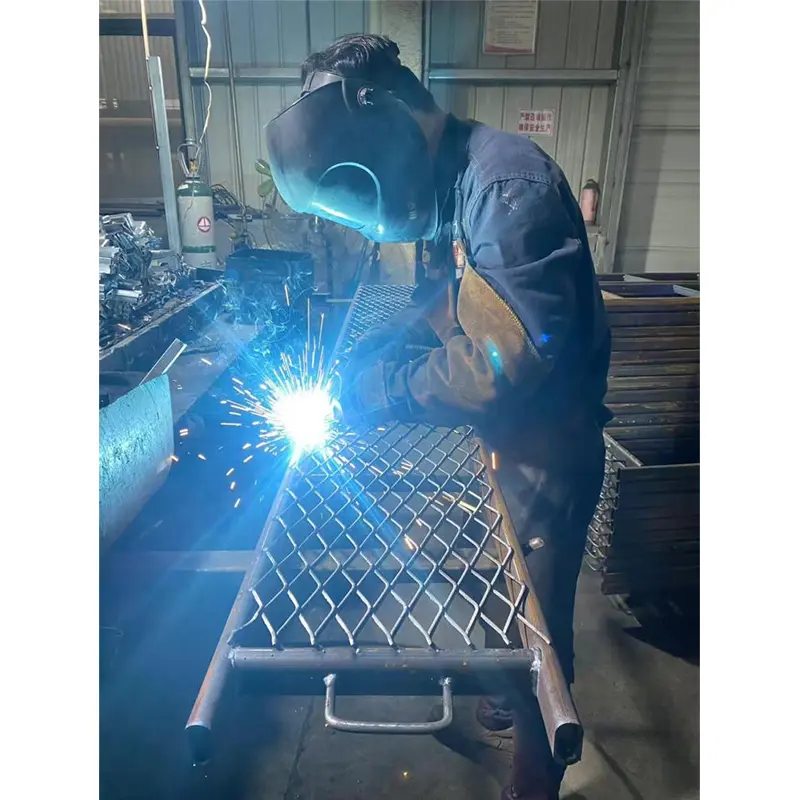
Innovative walk board design featuring expanded metal mesh surfaces. Promotes drainage and provides slip resistance in muddy, icy, or wet conditions.
Explore Specifications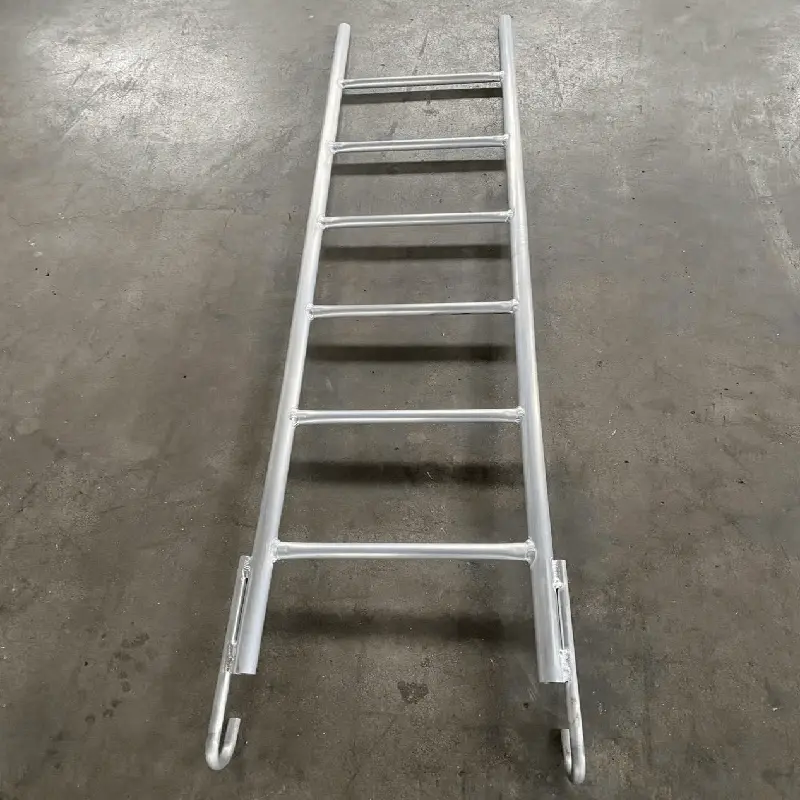
Ergonomically designed aluminum ladders equipped with heavy-duty hooks. Provides secure, lightweight access for staging operations.
Explore Specifications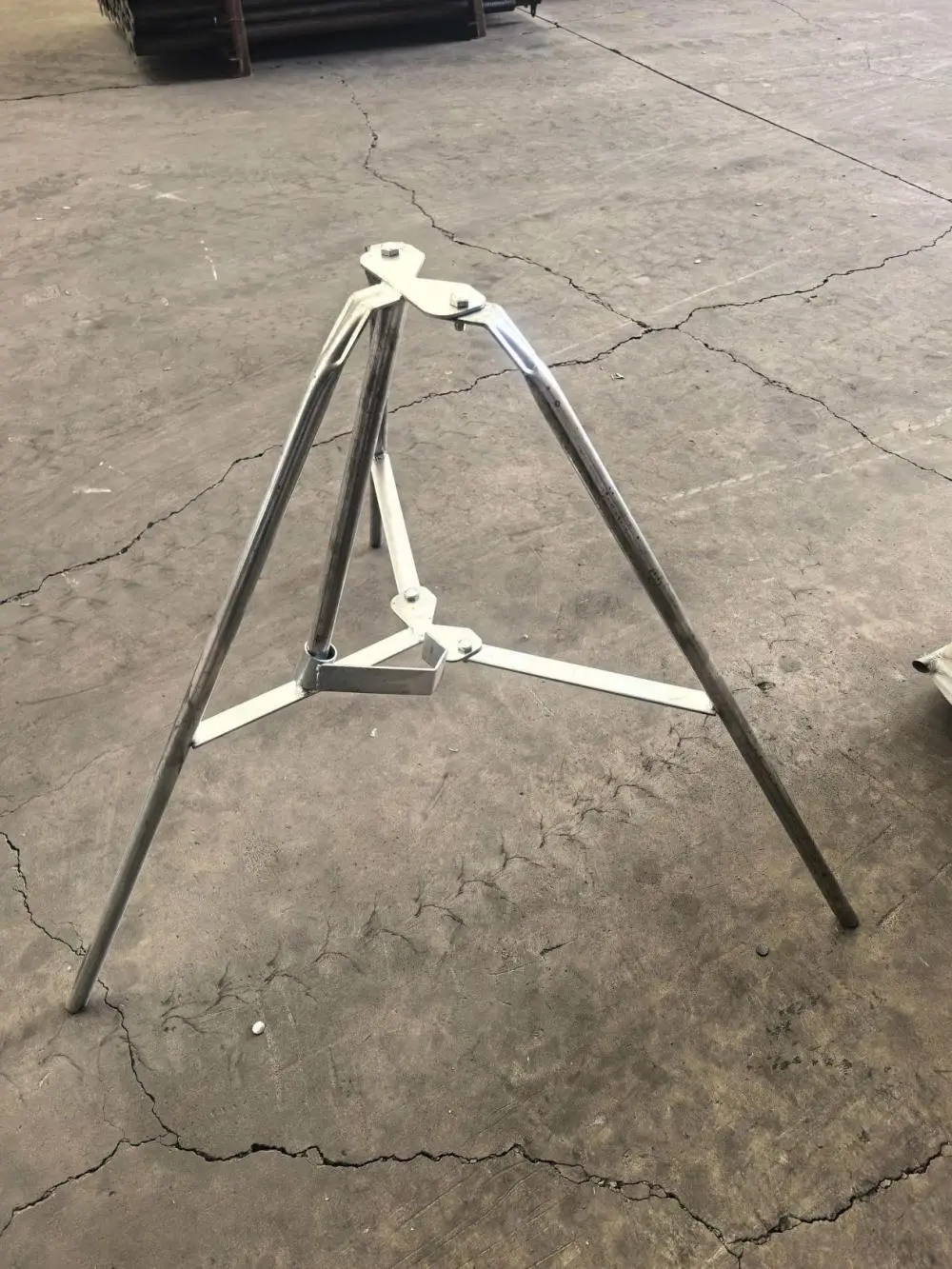
Three-legged steel support tripod designed to stabilize vertical shoring props during installation. Features quick-clamp locking mechanisms.
Explore Specifications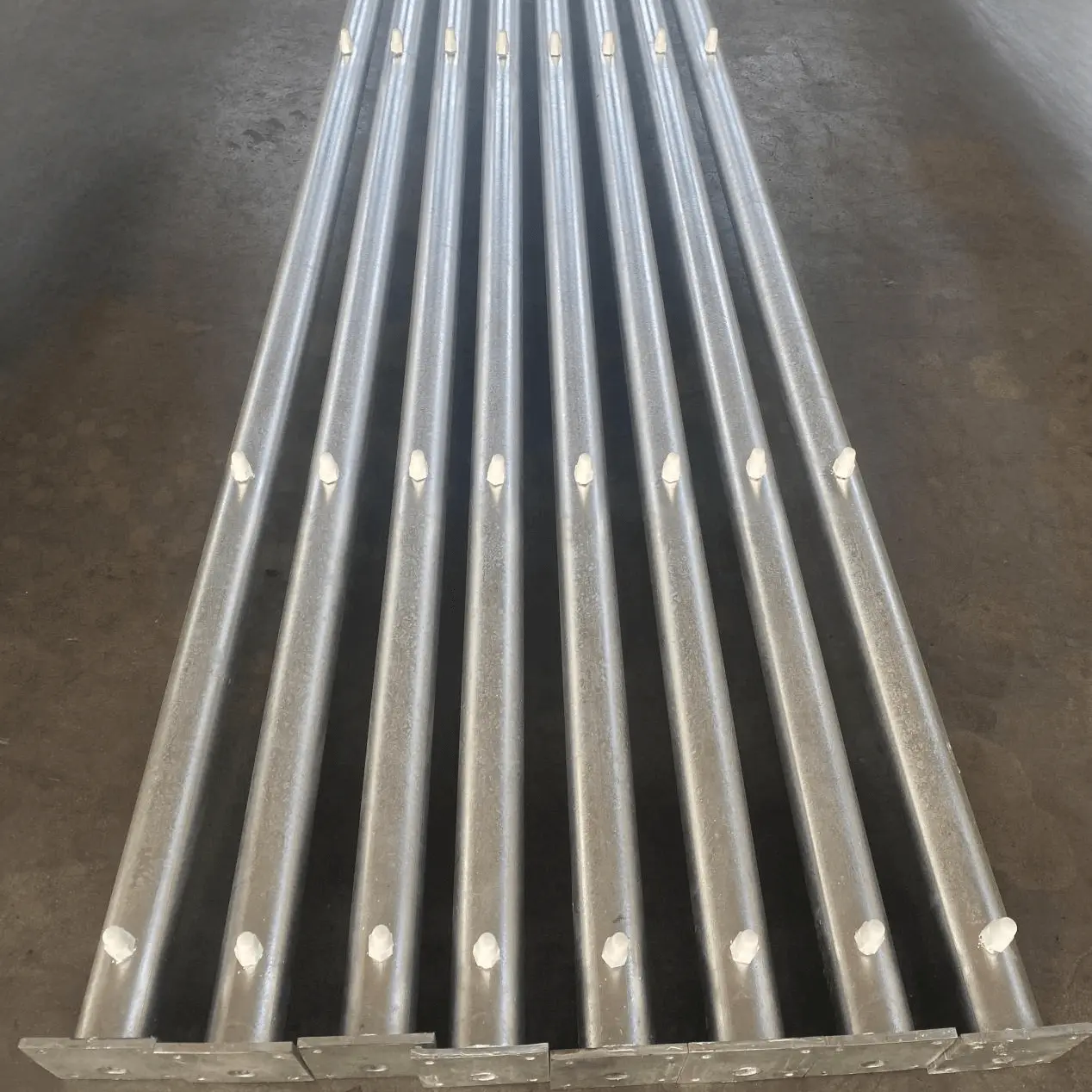
Heavy-duty structural columns designed for sidewalk protection canopies and public access bridges. Rated for high impact loads.
Explore Specifications AJ Metal