Engineered configurations tailored to complex heavy-duty infrastructure and high-load civil engineering requirements.
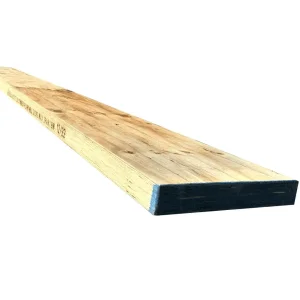
High-yield steel design offering premium anti-slip surfaces, high ultimate load capacity, and customized dimensions for OEM projects.
View Specifications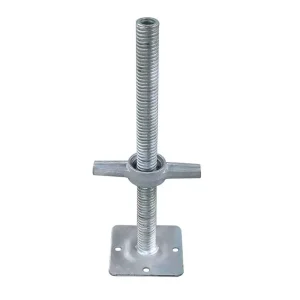
Robust threaded adjusters with reinforced base plates, ensuring level structural alignment under extreme axial loading.
View Specifications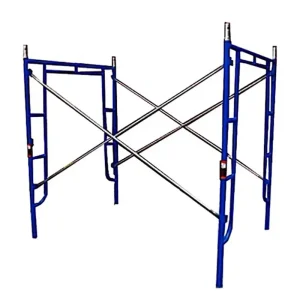
Hot-dip galvanized H & Walk-through frame assemblies for dynamic building applications demanding maximum load distribution.
View Specifications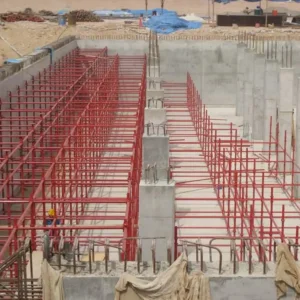
High-efficiency node locking system designed to withstand rigorous structural shear forces in heavy industrial zones.
View Specifications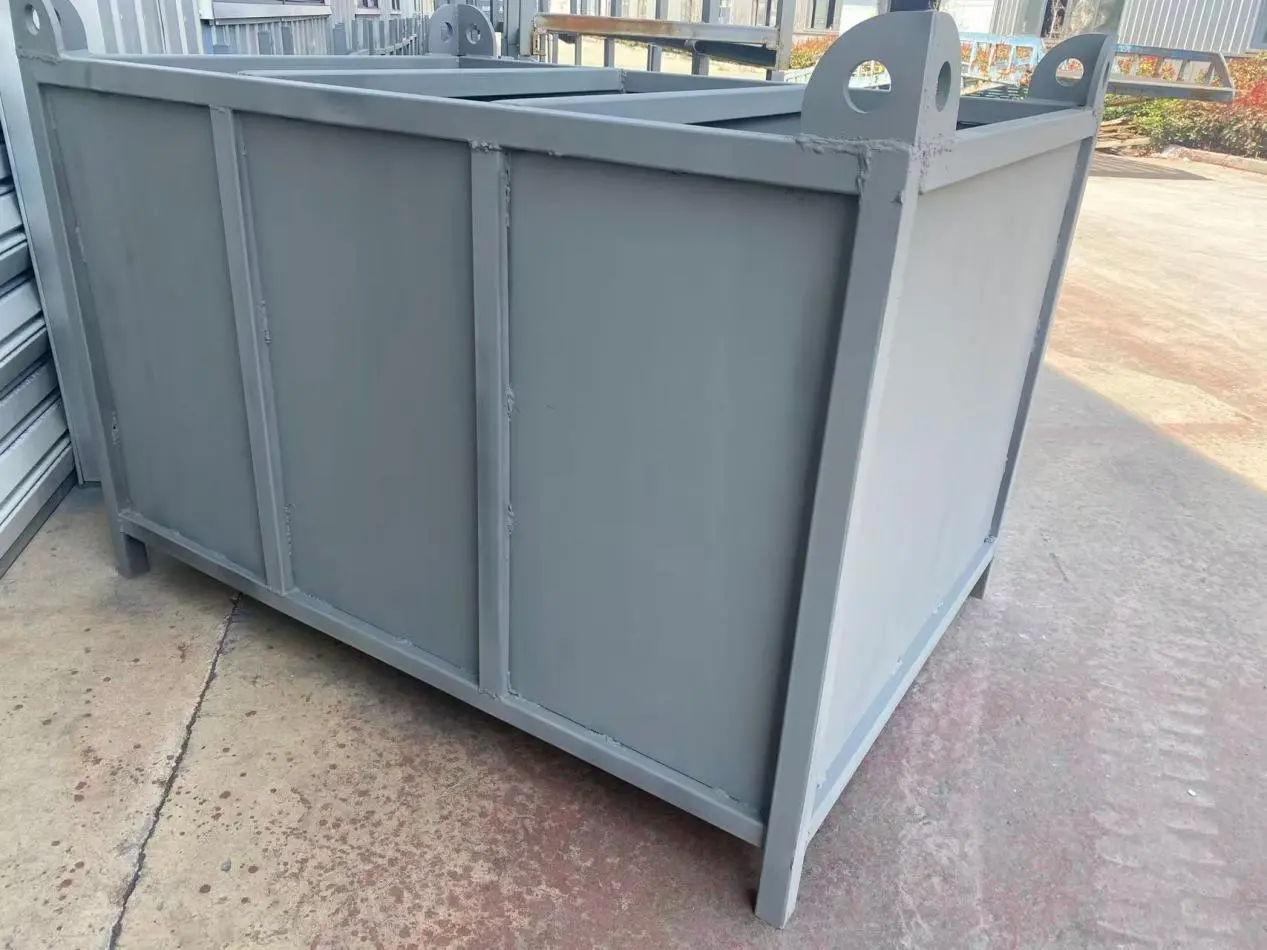
Rugged, stackable steel containment units optimized for site logistics, crane hoisting, and bulk coupler storage.
View Specifications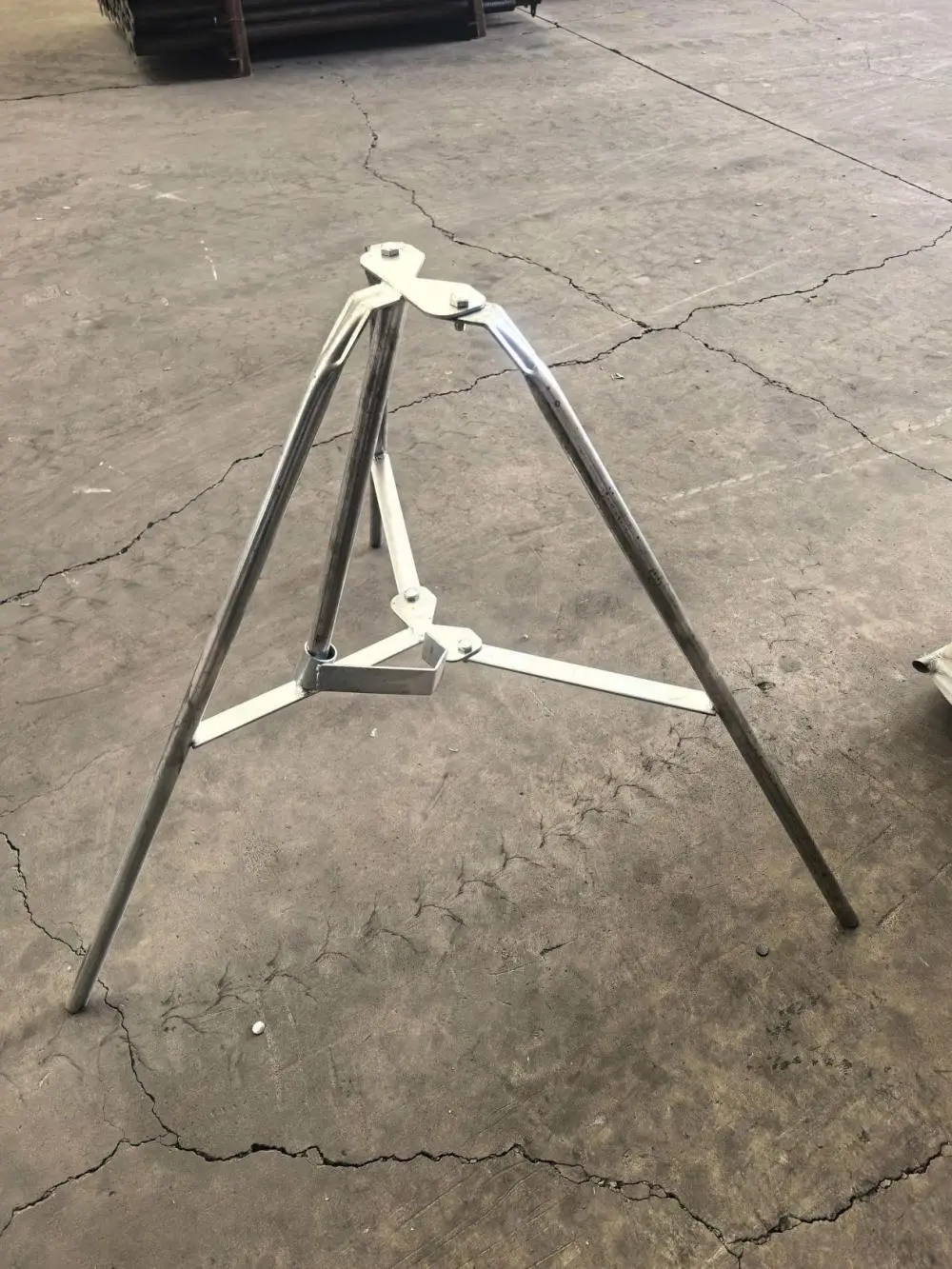
Sturdy stabilizing tripods designed to keep shoring jacks perfectly upright under rapid concrete pouring conditions.
View Specifications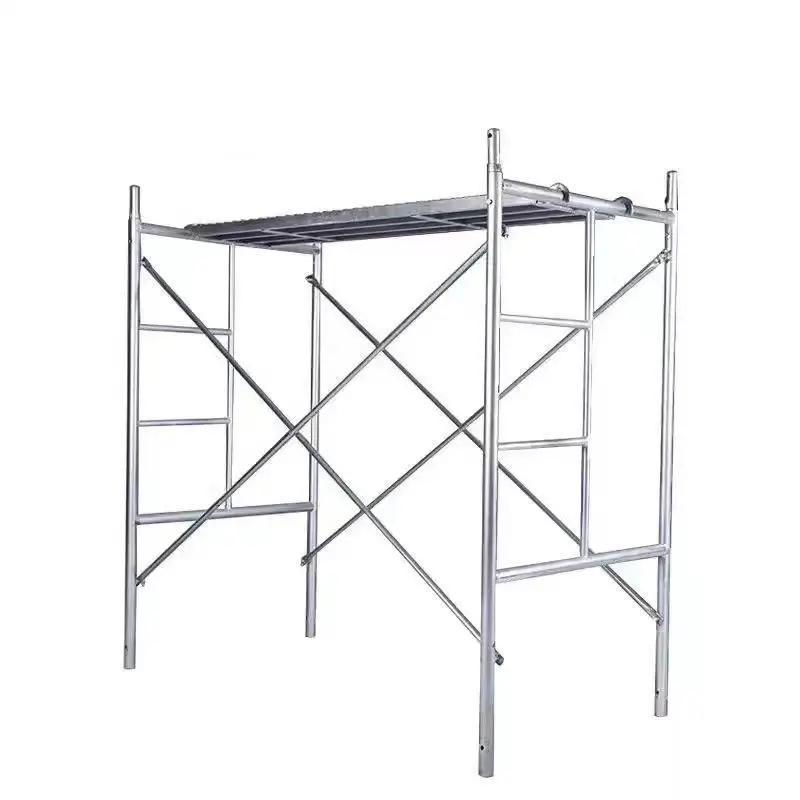
Structural framework tailored for vertical load transmission in civil infrastructure and high-rise construction.
View Specifications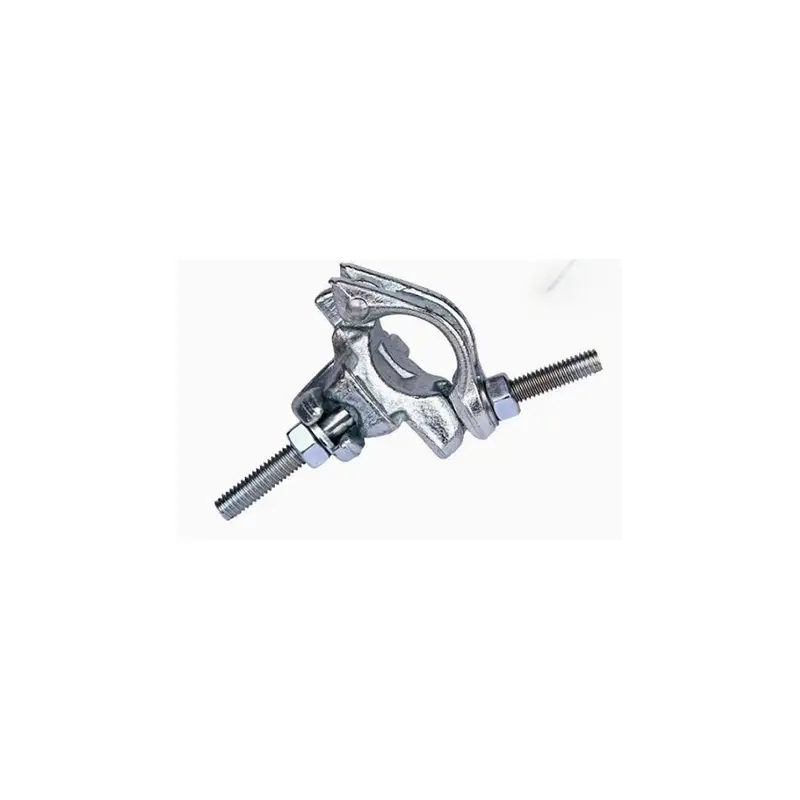
Compliant with international EN74 standard. Delivers extreme slip resistance for high-load structural cross-bracing.
View SpecificationsIn mega-infrastructure projects, scaffolding systems are more than access walkways—they are temporary load-bearing structural elements. Understanding the physics, calculations, and regulatory parameters of scaffold load ratings is paramount for project safety, structural integrity, and regulatory compliance. Scaffold load ratings indicate the maximum safe working load (SWL) a platform and its components can bear, incorporating strict safety factors required by international bodies including ANSI (American National Standards Institute), OSHA (Occupational Safety and Health Administration), and BS EN (European Standards).
European design guidelines establish six structural load classes to define scaffolding capacities. These determine the permissible live load dynamically applied to the working platforms:
Tianchang AJ Metal Products Technology Co., Ltd. builds structural compliance directly into raw materials. From structural Q345 steel standards to high-tensile hot-dip galvanized scaffolding tubes, we supply engineering structures certified for Class 1 to Class 6 loads, minimizing safety margins and maximizing field execution speed.
Established in 2013, Tianchang AJ Metal Products Technology Co., Ltd. (AJ Scaffolding Manufacturer) began by serving China's most rigorous industrial sectors: nuclear power plant constructions, chemical plants, railway infrastructure, and shipbuilding. Through partnerships with global corporations including BASF, Shell, and ExxonMobil, AJ Scaffolding has cemented a reputation for zero-tolerance safety and high structural reliability.
Expanding into international contract manufacturing (OEM/ODM) in 2018, we operate a state-of-the-art 12,000 m² manufacturing plant. We perform exhaustive quality controls, carrying out over 50,000 fatigue tests to verify yield performance, node shear capability, and corrosion resistance across various global climates.
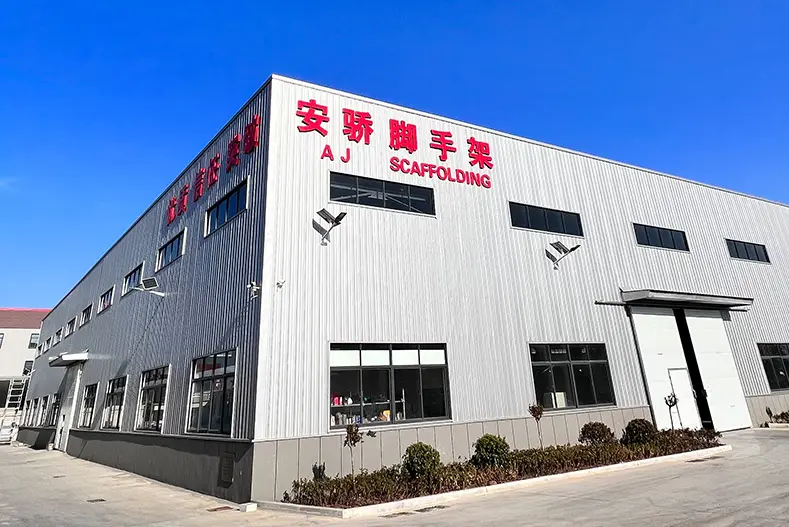
AJ Scaffolding provides tailored engineering solutions built for high-load safety and swift operational turnaround.
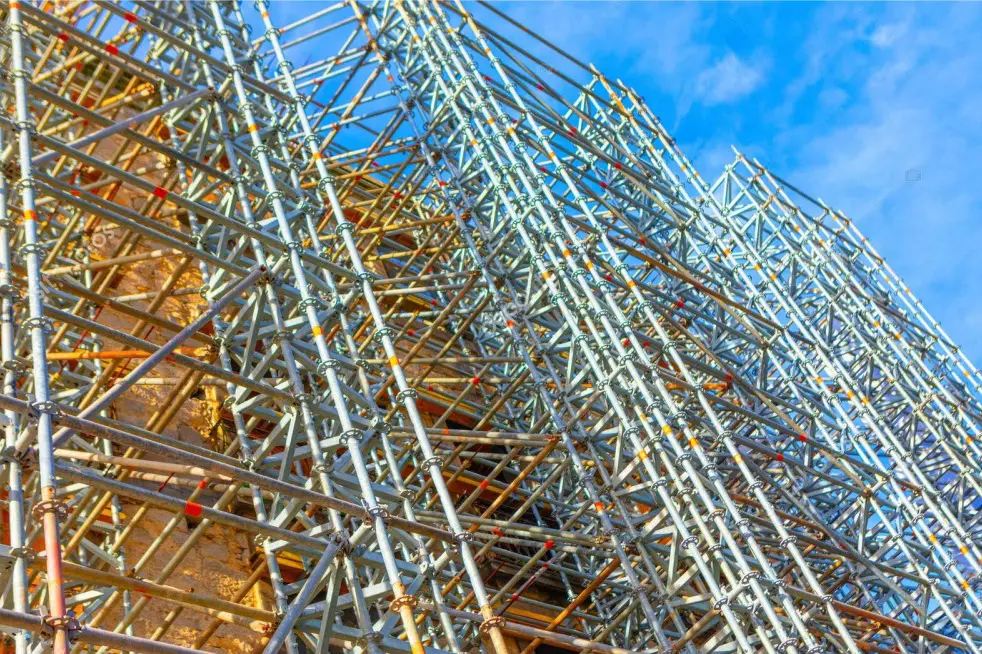
Designed for skyscrapers and urban structures. Features wind-tunnel tested frame combinations and highly stable floor anchors for reliable vertical support.
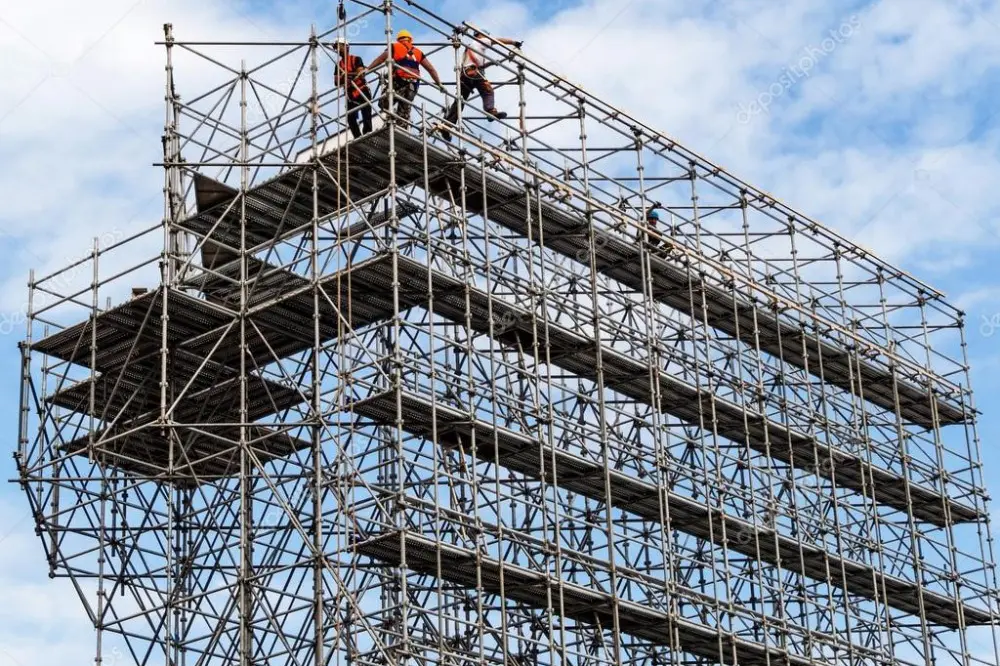
Compliant with safety rules for oil and gas, chemical, and nuclear environments (BASF, Shell). Provides maximum spark resistance and stable corrosion defense.

Heavy shoring frameworks designed for deep concrete pours and dynamic structural adjustments required for bridge and civil transit builds.
B2B structural procurement focuses on two metrics: safety performance and component weight. Shifting lighter parts on construction sites decreases labor strain and boosts erection speeds. However, the scaffolding must maintain load ratings. AJ Scaffolding bridges this gap by optimizing metallurgy and structural thickness.
While standard consumer scaffolding utilizes grade Q235 steel, our industrial-rated modular scaffolding lines (Ringlock & Cuplock) utilize Q355 structural steel. Q355 exhibits a yield strength of 355 MPa, roughly 50% stronger than Q235. This enhancement allows for thinner tube walls without compromising safety ratings, reducing structural weight by up to 15%.
Rust and corrosion degrade metal thickness over time, reducing maximum load capacities. AJ Scaffolding utilizes an advanced hot-dip galvanization process conforming to EN ISO 1461. With a zinc layer exceeding 80 microns, our components remain protected against marine air, salt spray, and petrochemical environments, keeping load capacities stable over years of service.
Digital transformation and materials science are shaping the future of temporary access structures.
We are currently developing smart load-monitoring couplers. Equipped with strain gauges and wireless transmitters, these units alert safety managers on-site if load distribution shifts or wind forces threaten structural safety margins.
In response to global ESG initiatives, AJ Scaffolding is reducing energy use at our 12,000 m² factory. We aim to utilize 100% recycled structural steel feedstocks by 2028 to offer low-carbon construction components.
By blending structural aluminum with lightweight magnesium alloys, our R&D department has designed beams with high load-bearing capacity at a fraction of standard steel weights, reducing setup times for complex access structures.
Stay updated with the latest in modular scaffolding design, global market trends, and heavy-duty safety protocols.
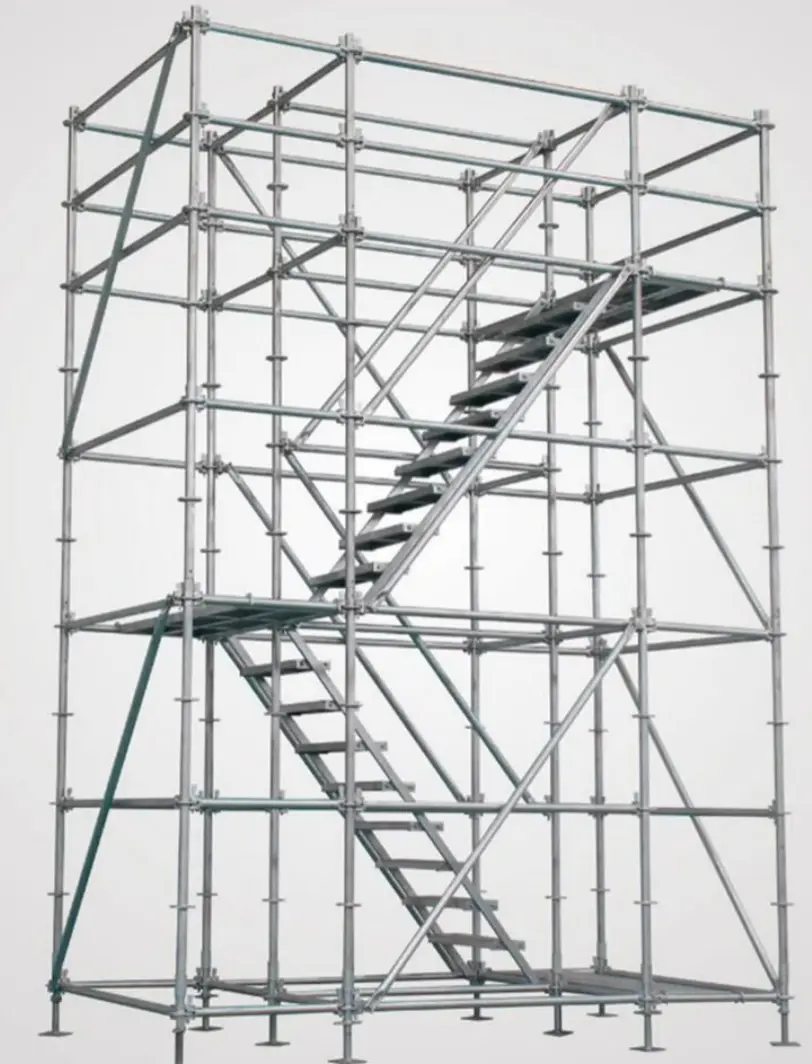
An in-depth review of modular Ringlock designs, dynamic node load limits, and compliance with the European EN 12810 standard.
Read Article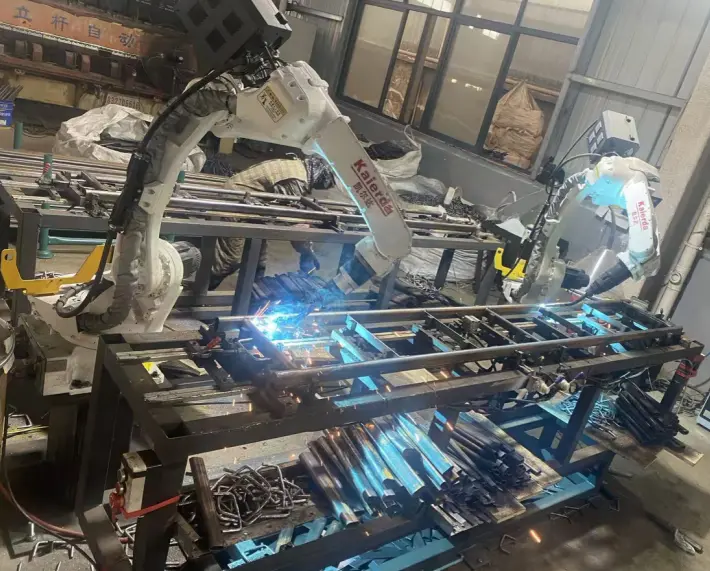
Breakdown of international steel markets, zinc coating costs, and freight options for large-scale construction material purchases.
Read Article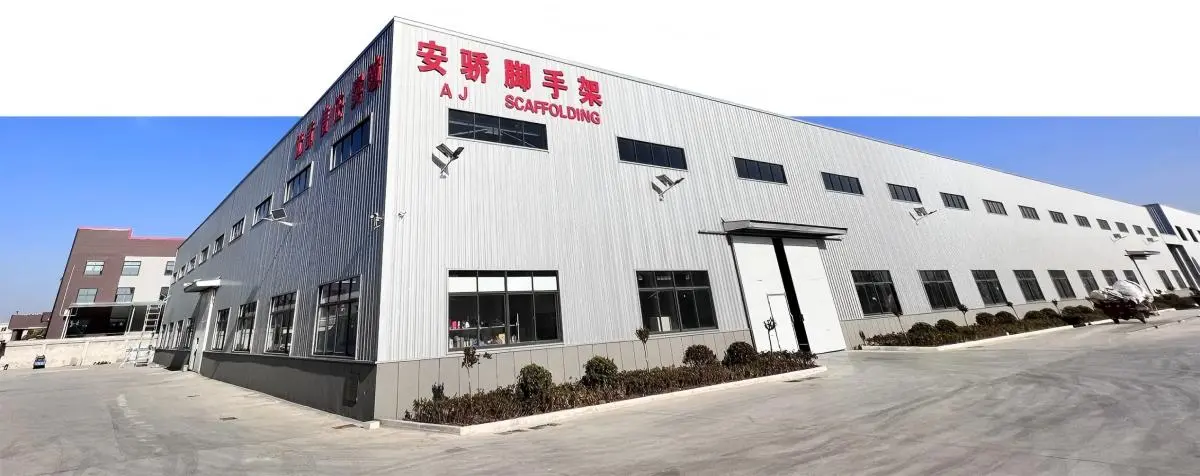
Analyzing the adoption rates of Kwikstage systems across infrastructure projects in the UK, Australia, and Africa.
Read ArticleFind answers to common engineering, regulatory, and design questions regarding load-bearing safety limits.
Heavy-duty hardware, safety accessories, and customizable access structures designed for modern building projects.
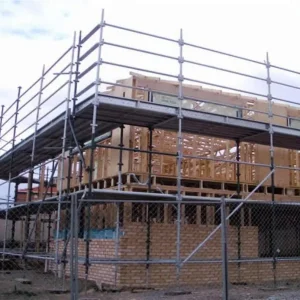
Popular in Australia and the UK. Interlocking wedge-key joints ensure quick setup and reliable load-bearing performance.
View Specifications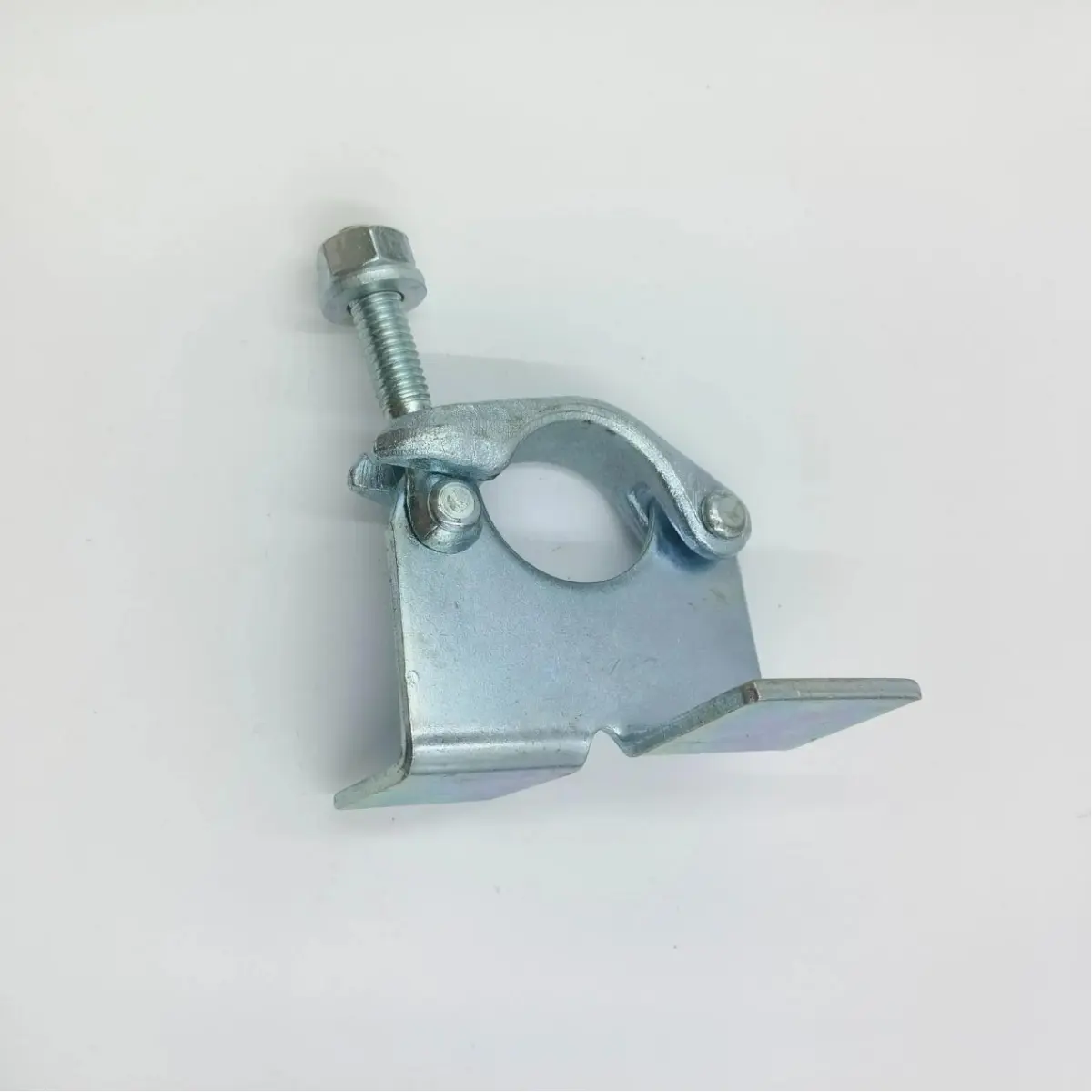
Secures steel planks against wind uplift and movement. Essential for high-rise scaffolding applications.
View Specifications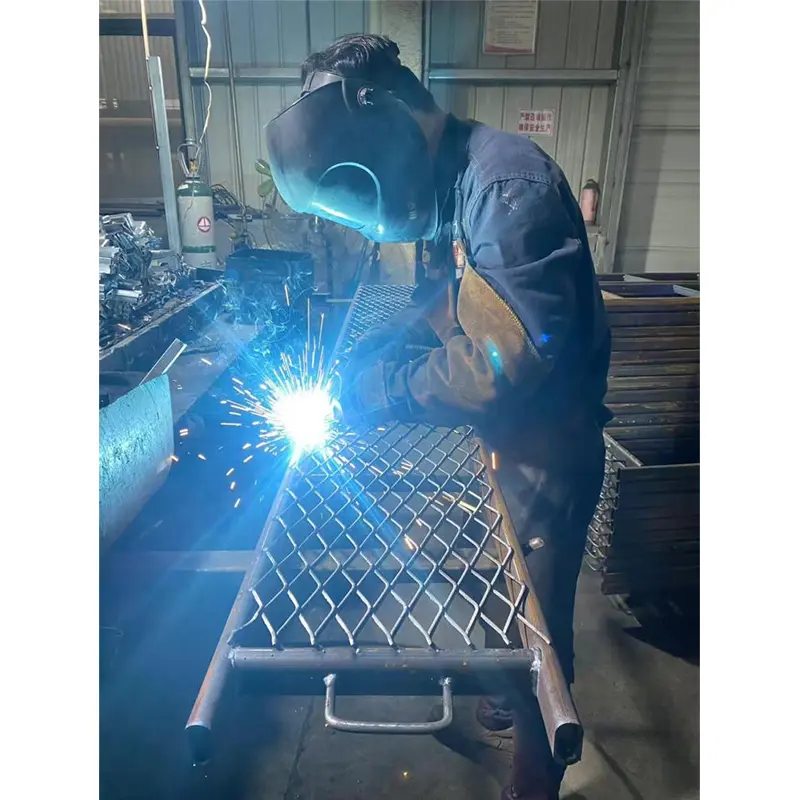
Self-draining safety mesh design. Reduces dust accumulation and maintains solid traction in rainy or snowy conditions.
View Specifications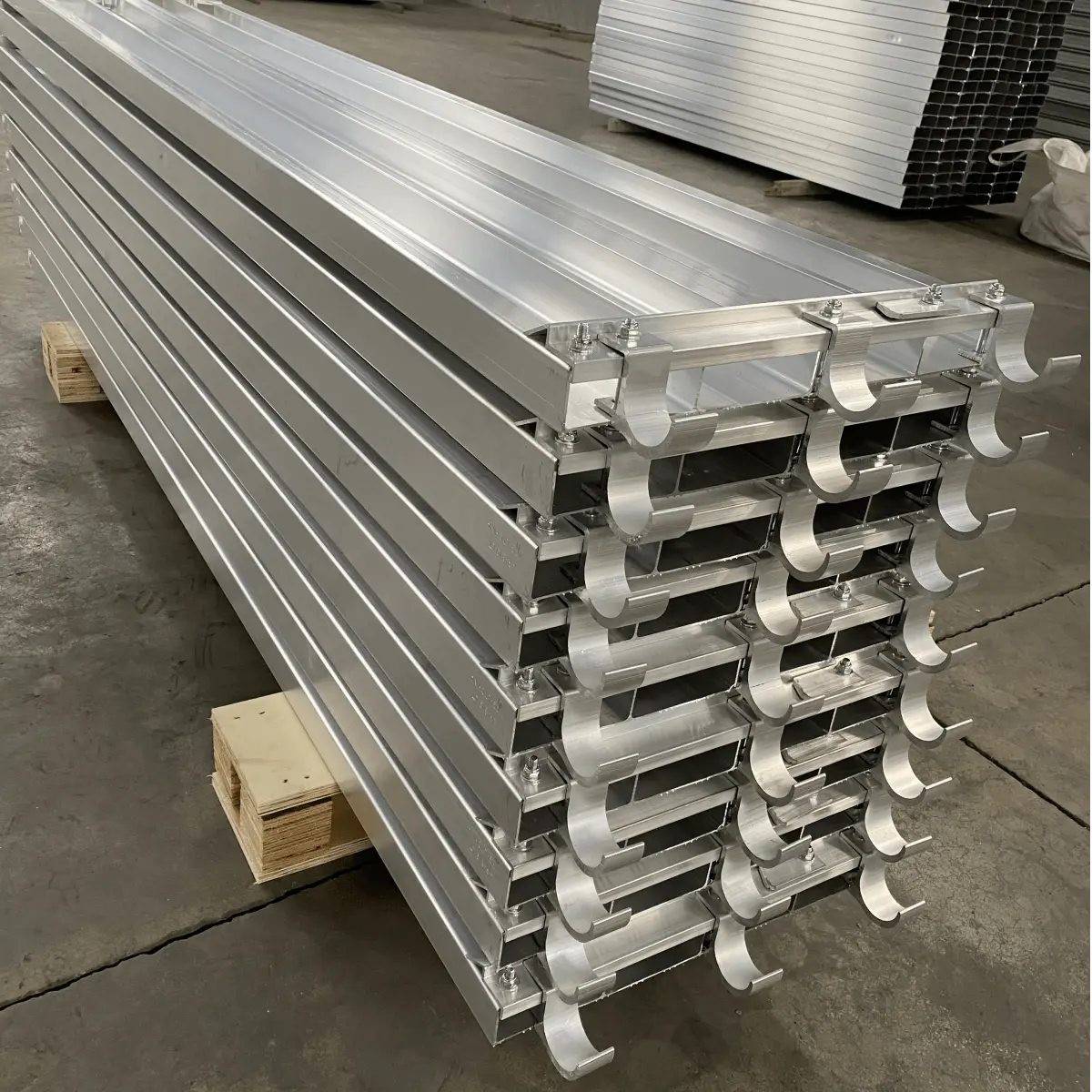
Lightweight aluminum ladder with sturdy hook connectors, offering quick and secure access between platform levels.
View Specifications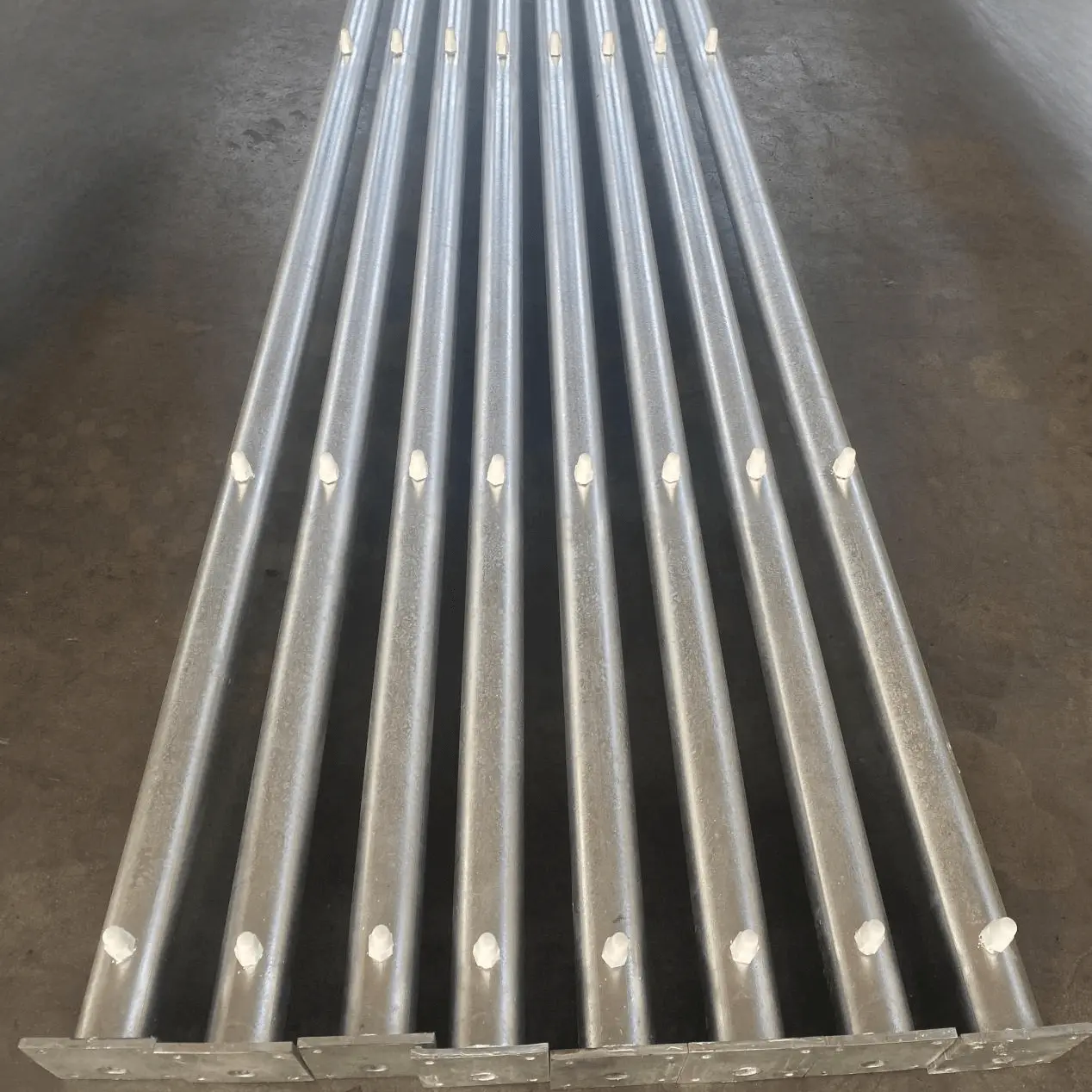
Heavy-duty protective poles designed to support temporary pedestrian walkways near active construction sites.
View Specifications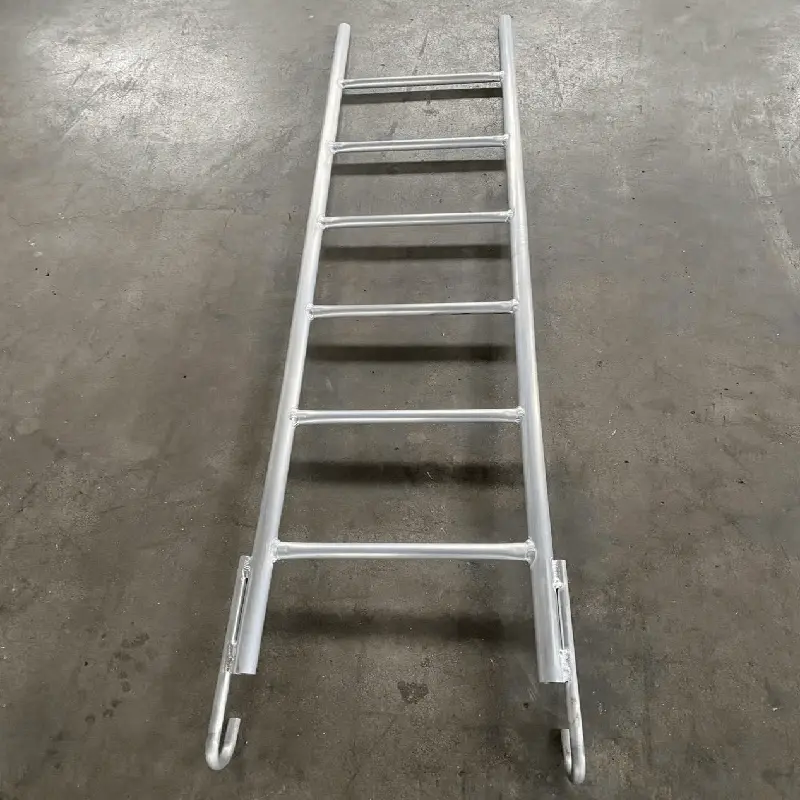
Anti-slip steps and reinforced hooks ensure a safe, corrosion-resistant vertical climb path for scaffolding towers.
View Specifications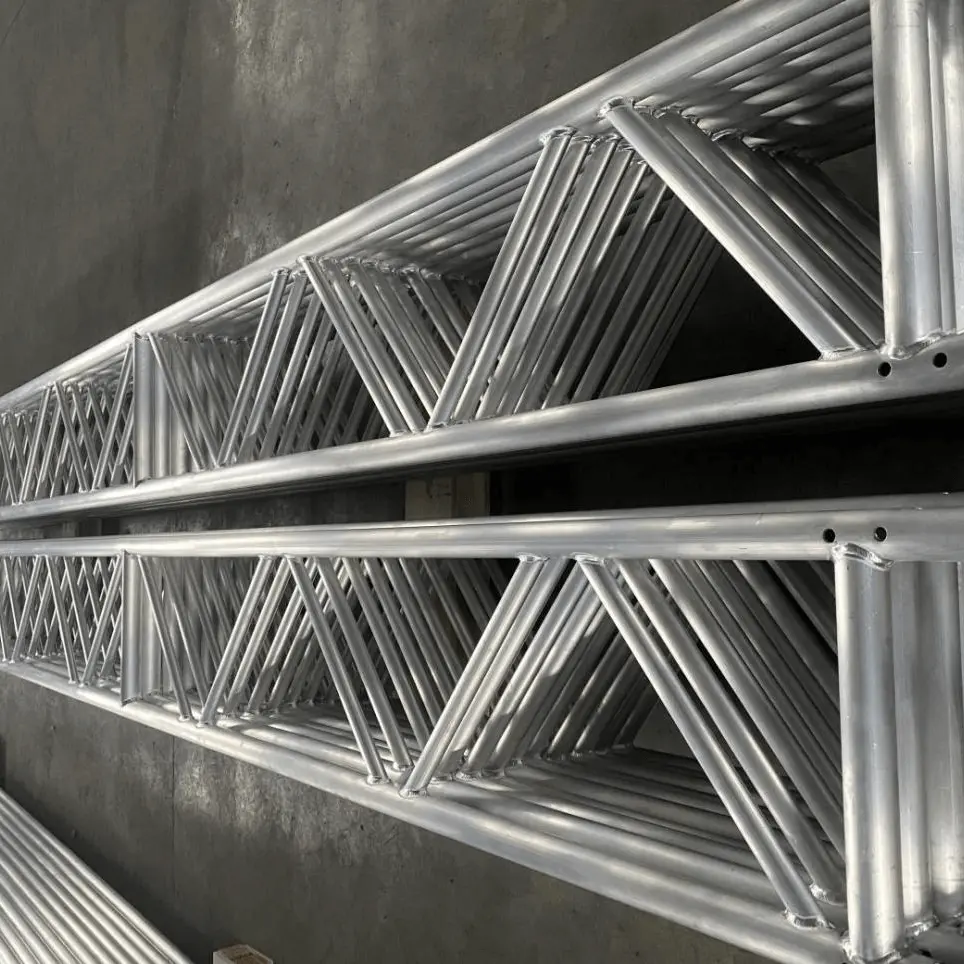
Combines lightweight aluminum build with high load-bearing capacity, reducing transport and assembly costs.
View Specifications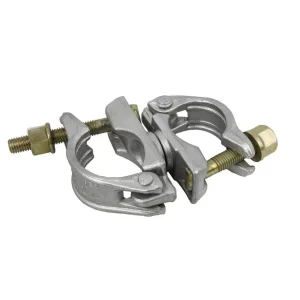
Delivers 360-degree flexibility for diagonal bracing. Fully tested under high structural tension to meet EN74 safety standards.
View SpecificationsLooking for certified OEM manufacturing? Contact AJ Scaffolding's technical team today for component drawings, certified loading tests, and B2B pricing details.
Contact Structural Engineers AJ Metal