 AJ Metal
Strategic Paradigm in Global Scaffold Maintenance: Trends, Standards & Customization
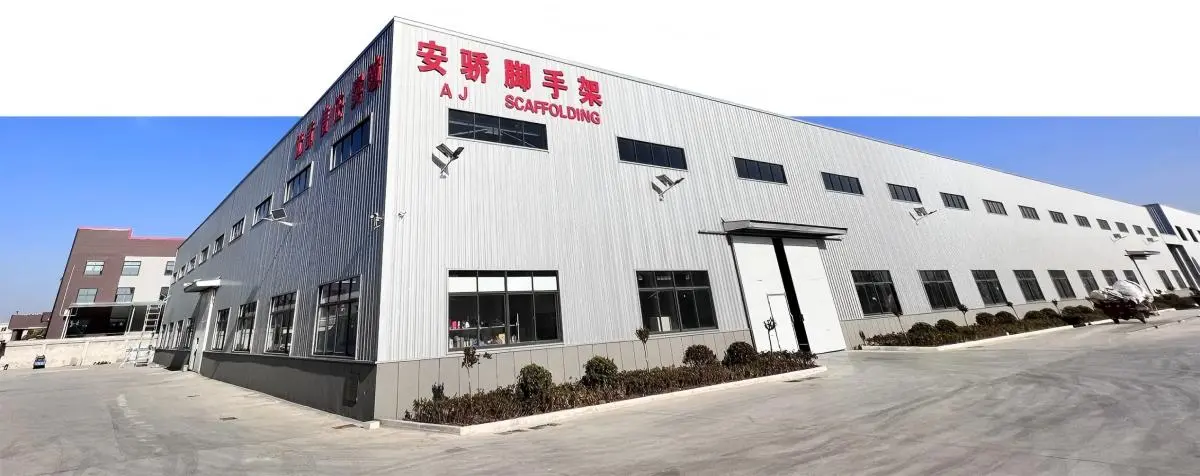
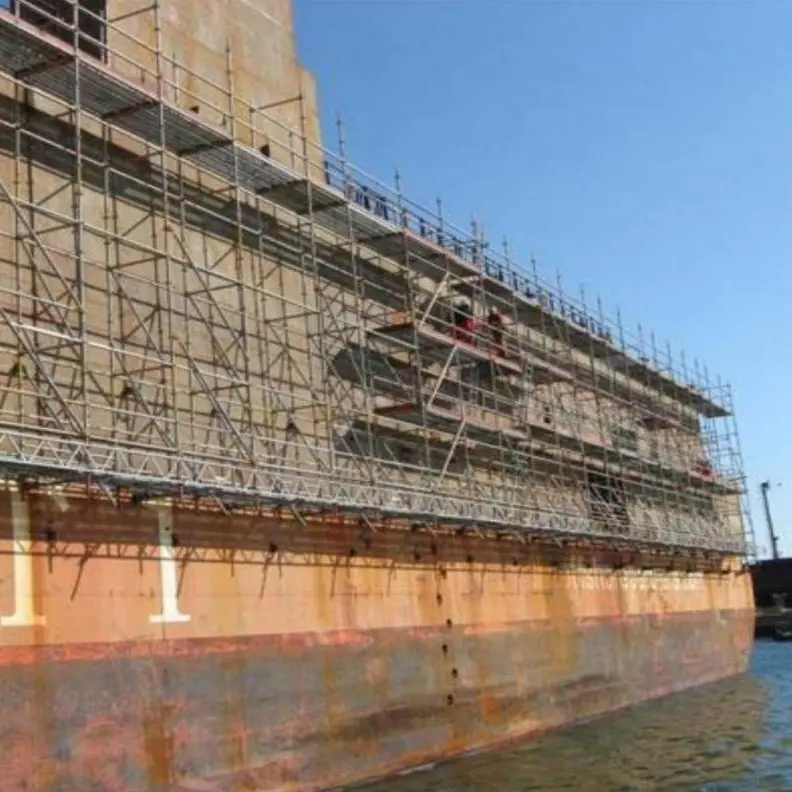
In the heavy industrial engineering sector, scaffolding systems form the backbone of project execution safety, structural stability, and workflow optimization. From high-pressure petrochemical refineries to mega-scale infrastructure networks, scaffolding maintenance goes beyond basic upkeep; it represents a core operational methodology. As a leading ODM scaffold maintenance supplier & factories entity, Tianchang AJ Metal Products Technology Co., Ltd. leads this category by providing high-specification design, materials engineering, and structural validation workflows.
1. Evolving Paradigms in the Scaffold Maintenance Sector
Historically, scaffolding maintenance was limited to post-project visual checks and manual cleaning. Modern standards demand a proactive, engineering-centric lifecycle plan. The primary trends driving this shift include:
- Automated Structural Health Testing: Integration of advanced ultrasonic and fatigue load checking protocols to catch micro-fractures inside steel components before structural failure happens on site.
- Surface Coating Technology: Upgrading from standard paint to advanced Hot-Dip Galvanization (HDG) and customized duplex coating systems. These coatings provide up to 50 years of resistance against corrosion in harsh marine offshore environments.
- Asset Digital Integration: Using RFID and QR-code tracking systems to monitor the deployment history, structural inspection records, and load cycles of each scaffold plank, standard, and ledgers.
2. Global Sourcing Dynamics: What Enterprise Buyers Focus On
Global engineering firms demand more than just low-cost steel. When negotiating long-term purchasing contracts, enterprise procurement directors look for:
- Full Regulatory Compliance: Safety is non-negotiable. Materials must strictly meet global compliance certificates, including EN 12810 (modular scaffolding standards), ANSI/ASSE A10.8 (US safety regulations), and AS/NZS 1576 (Australian/New Zealand standards).
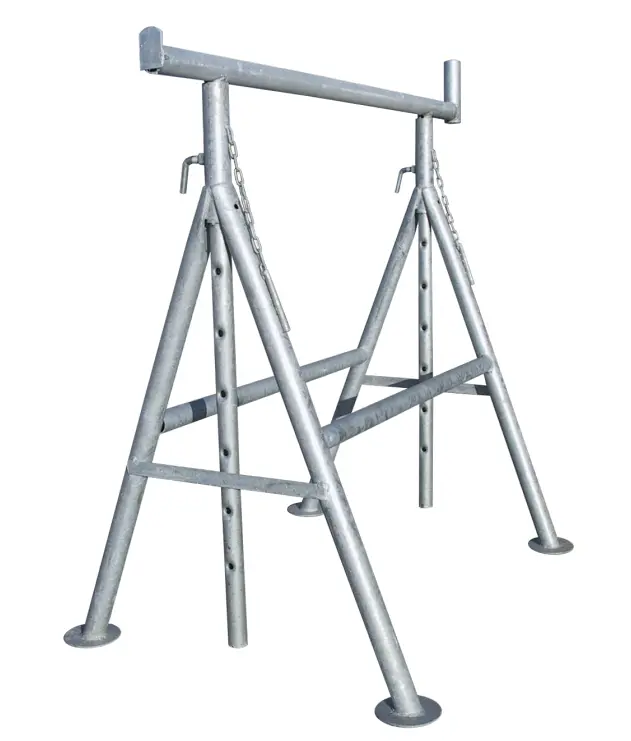
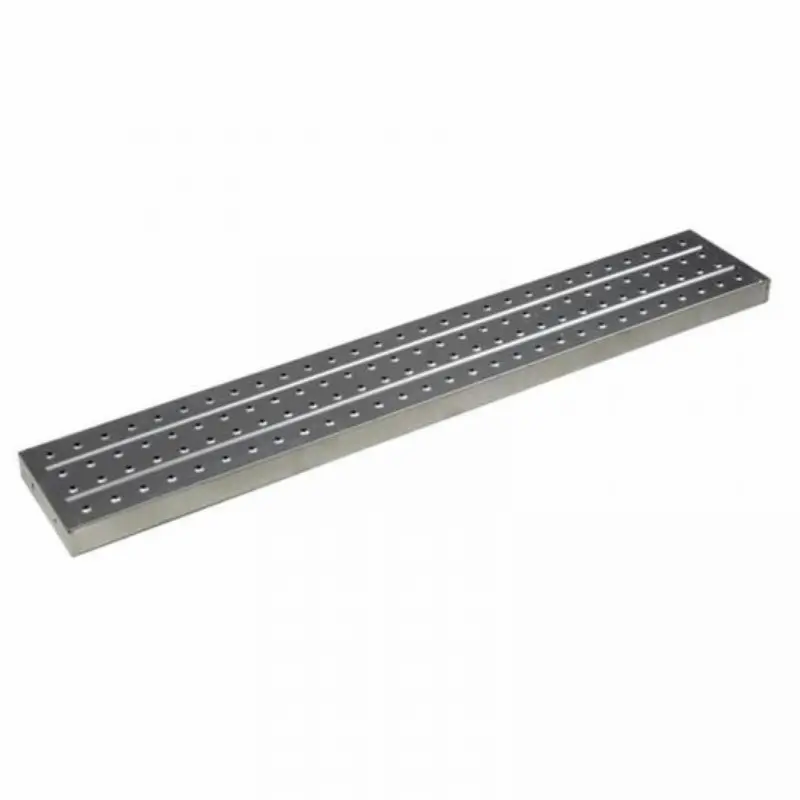
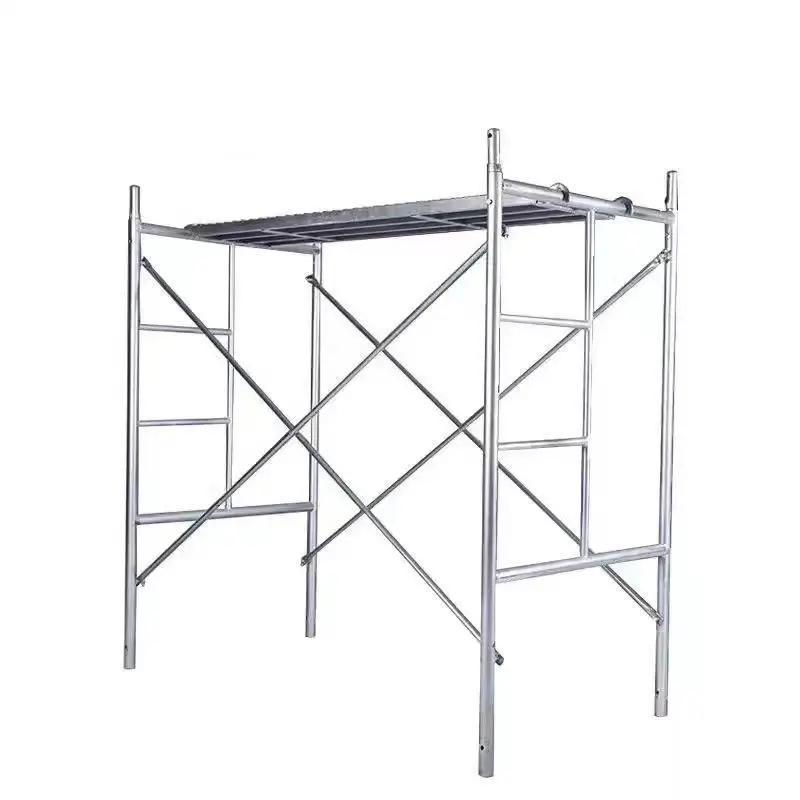
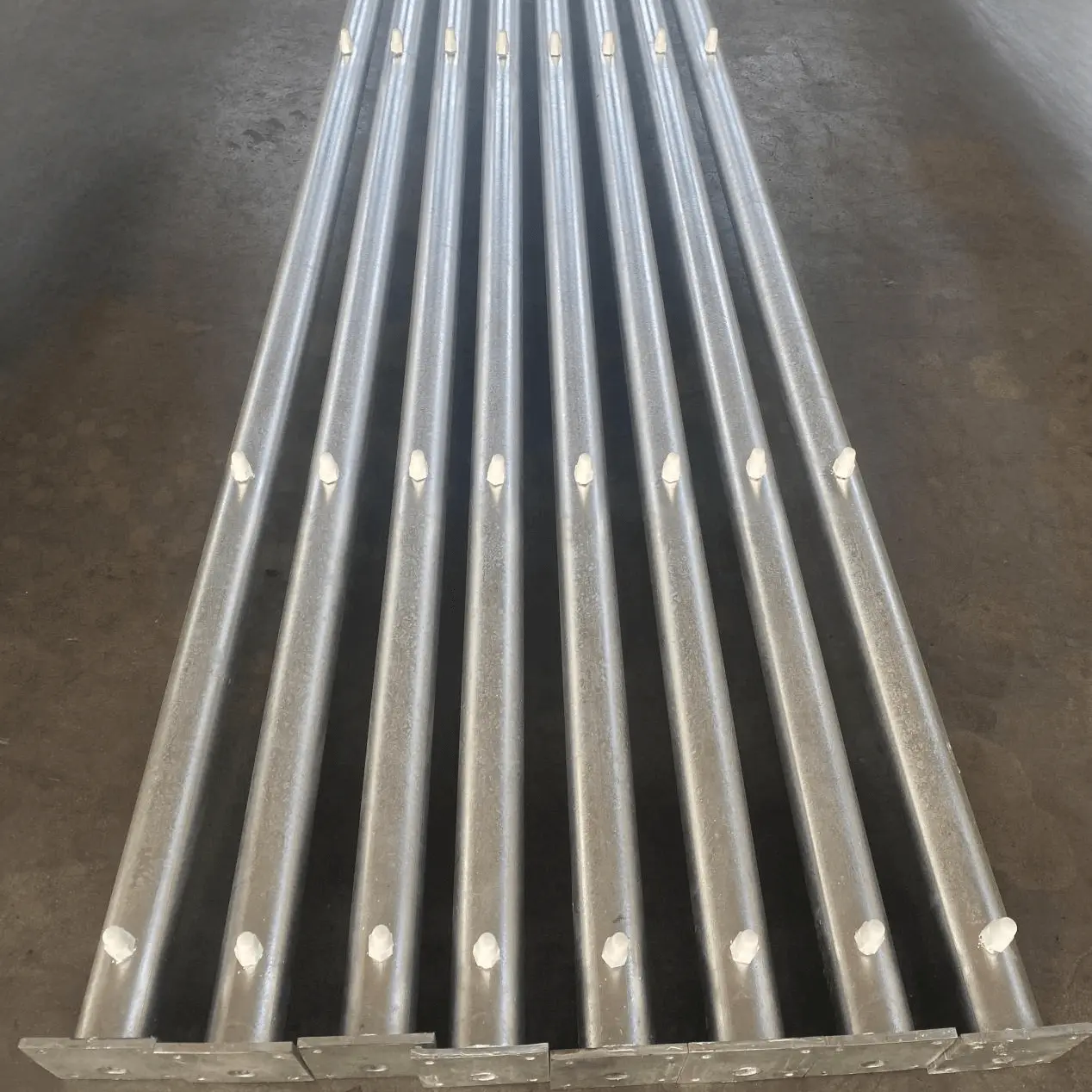
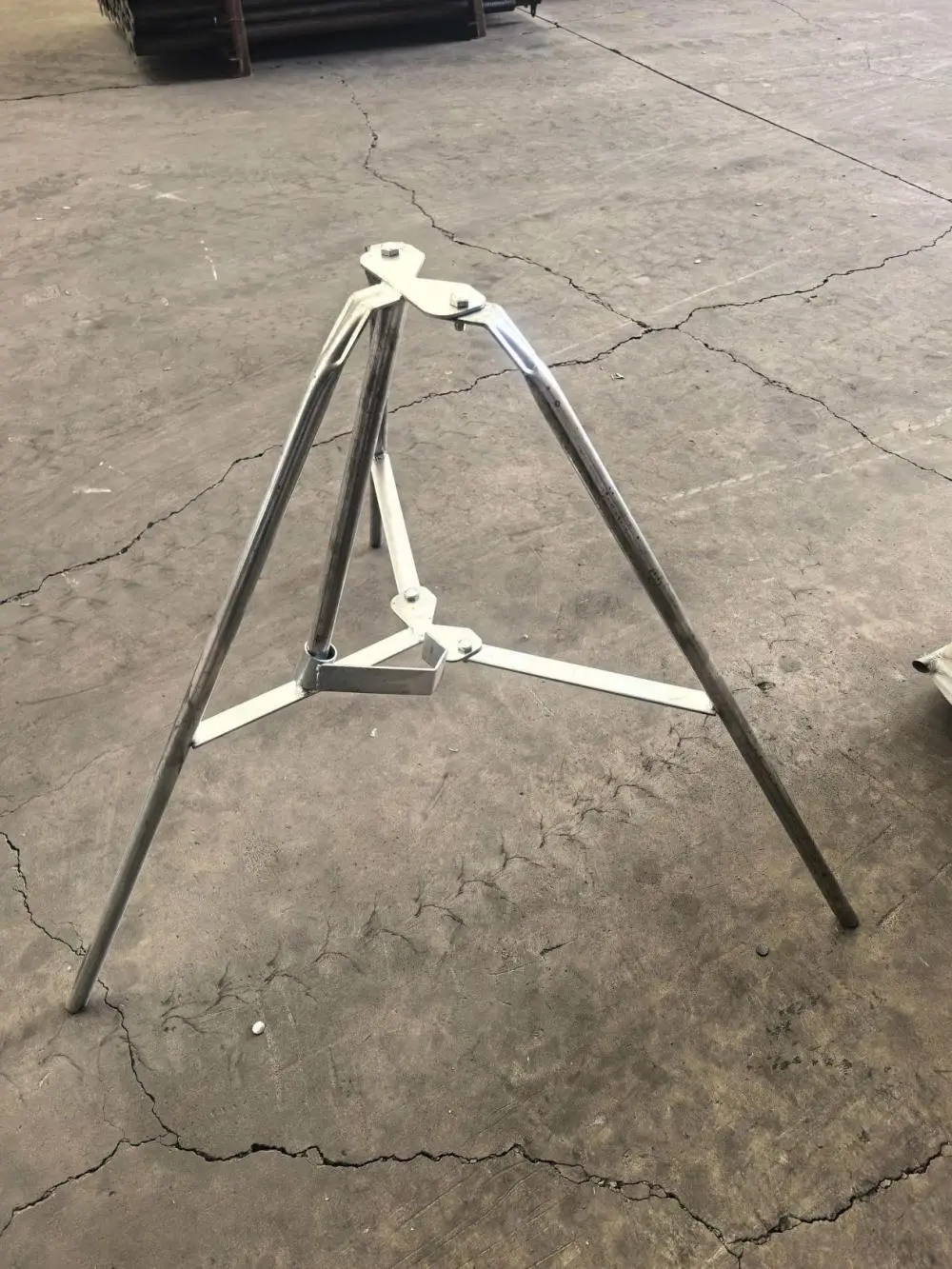
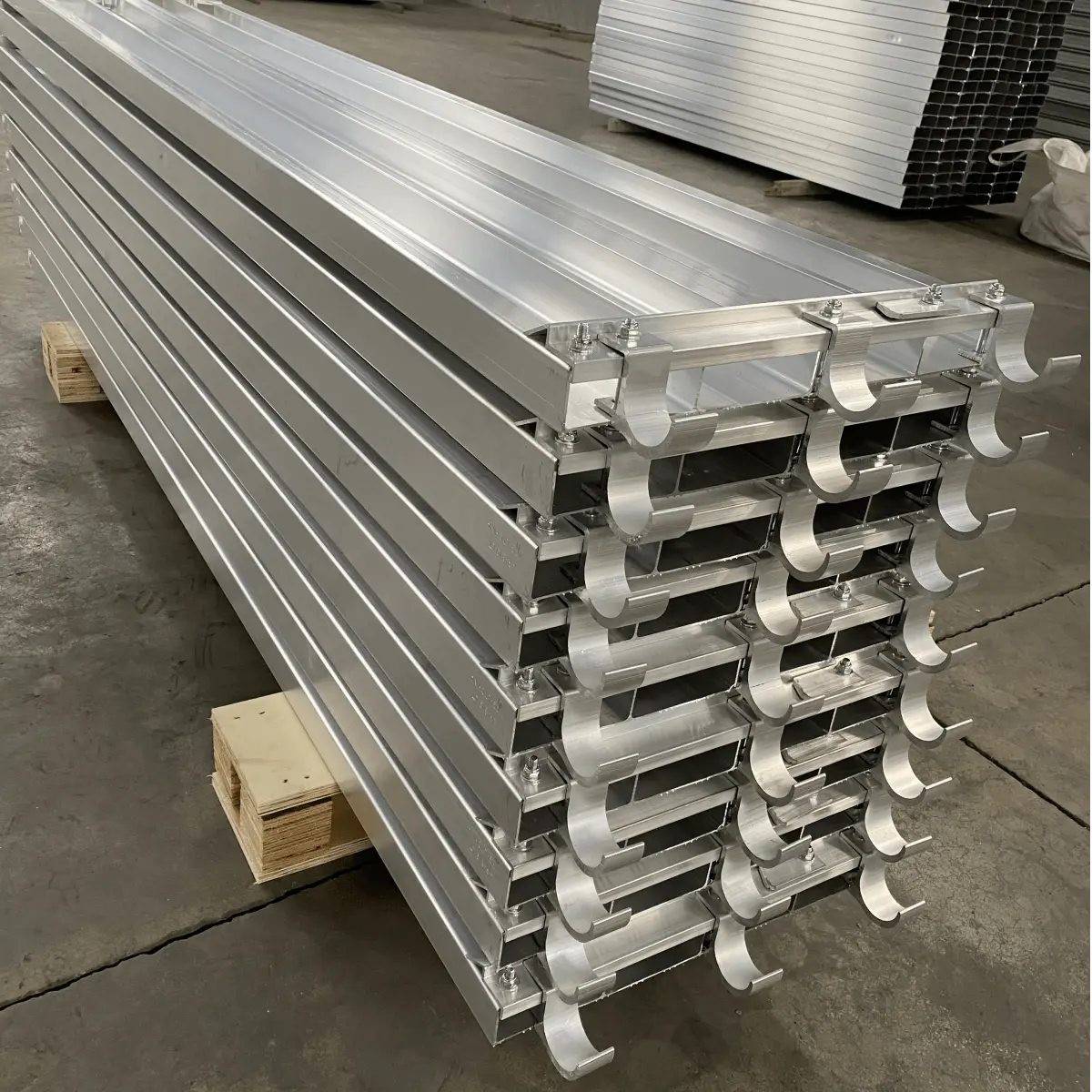
- Reliable ODM Scalability: The capability of factories to modify standard accessories—such as sidewalk bridge poles, heavy-duty trestle systems, and specific steel plank lock arrangements—to fit unique job site layout requirements.
- ESG and Eco-Friendly Logistics: Aligning with sustainable corporate strategies by sourcing recyclable structural steel, prioritizing low-carbon smelting processes, and utilizing clean logistics routes with reliable tracking systems.
3. China Industry 4.0: Supply Chain Flexibility & Precision Engineering
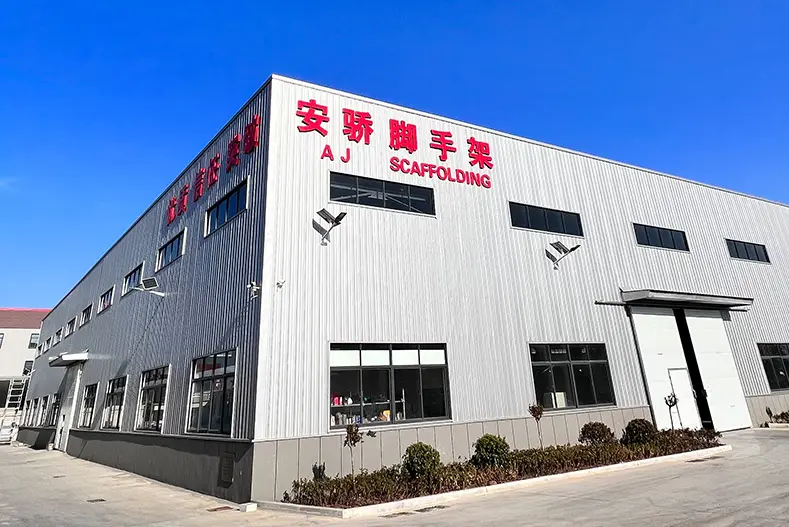
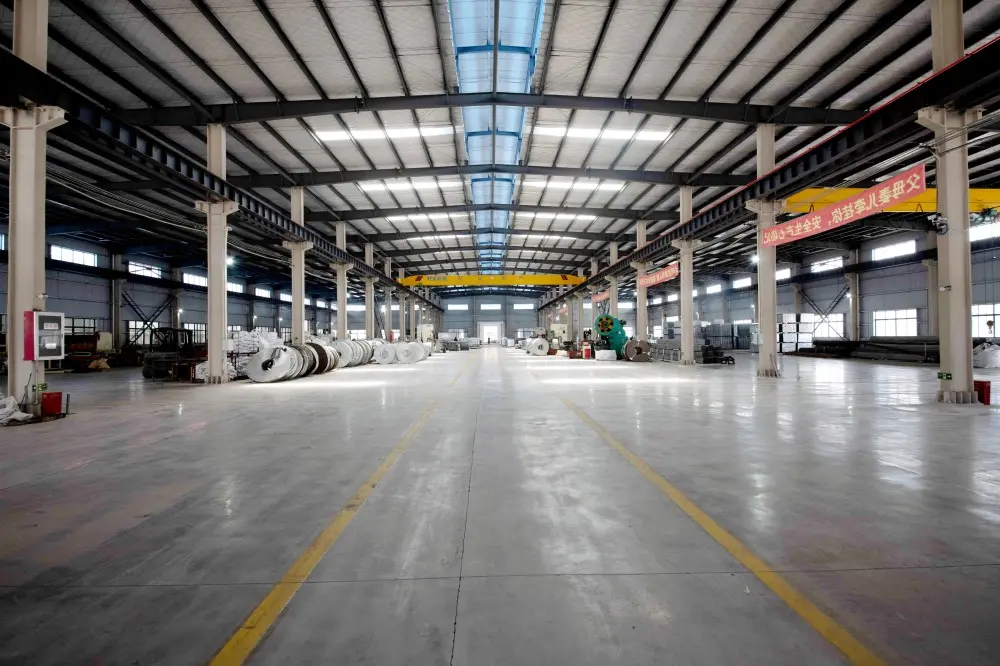
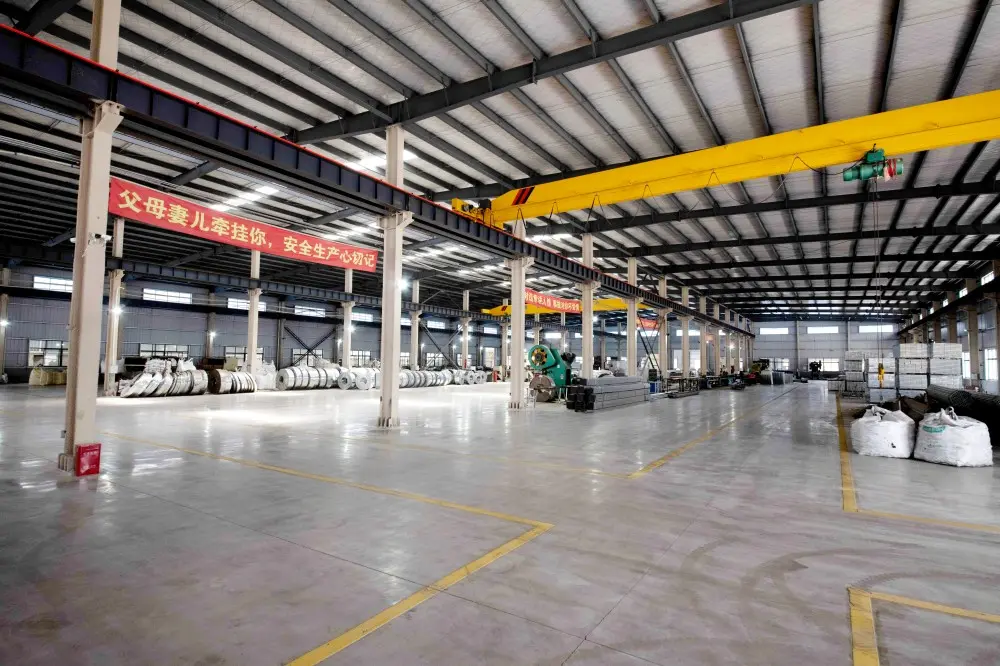
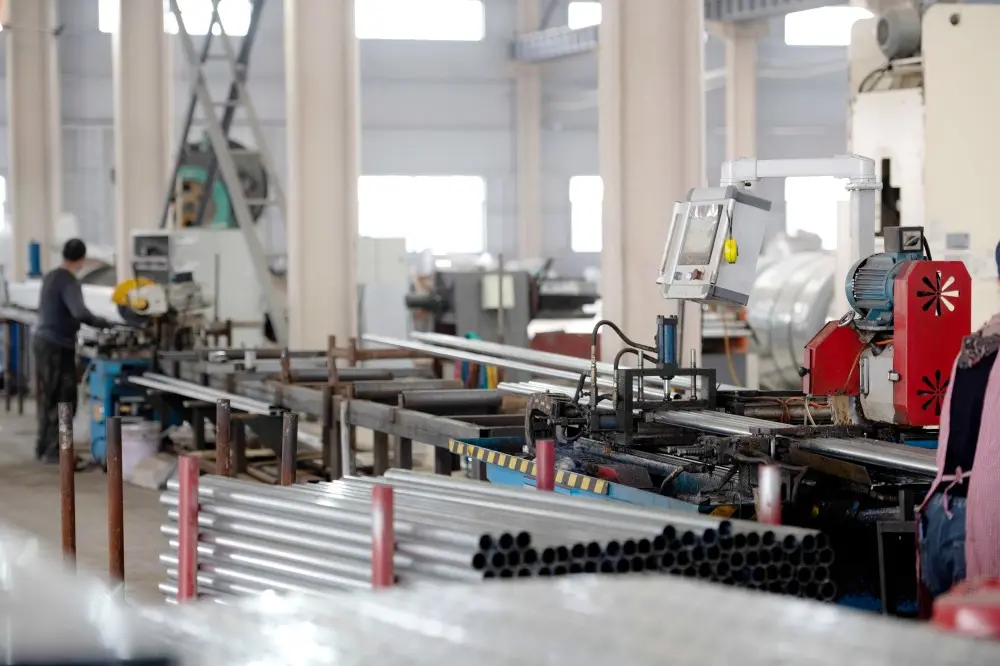
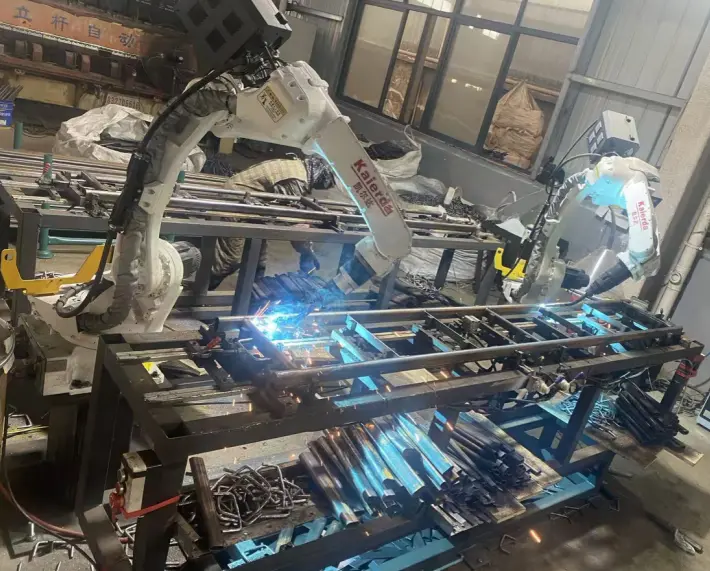
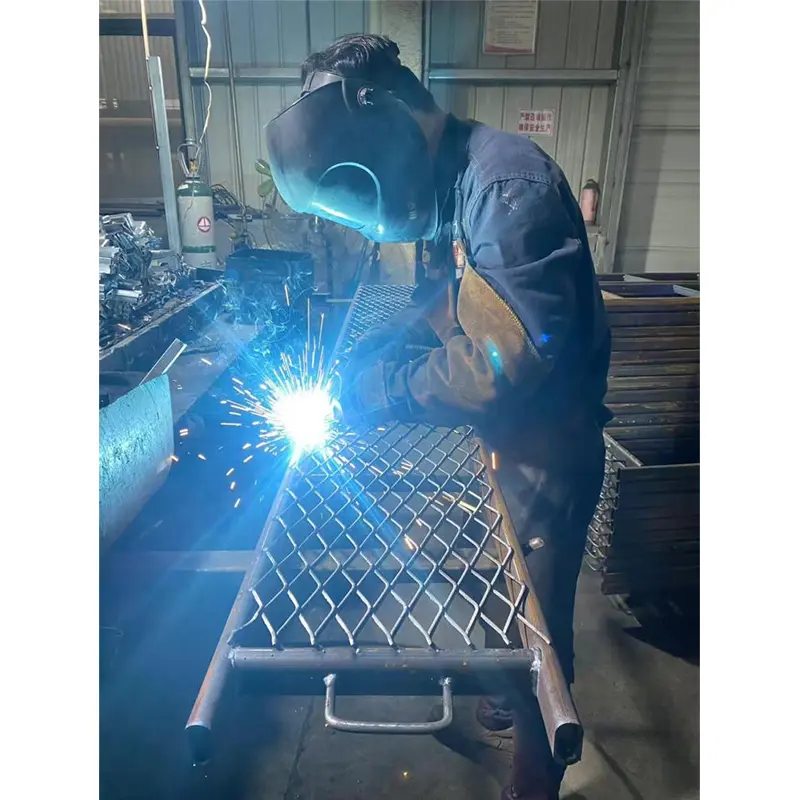
Operating out of our 12,000+ square meter modern manufacturing hub, AJ Metal integrates advanced robotic automation, automated tube cutting, and custom weld cells. This manufacturing modernization yields distinct advantages:
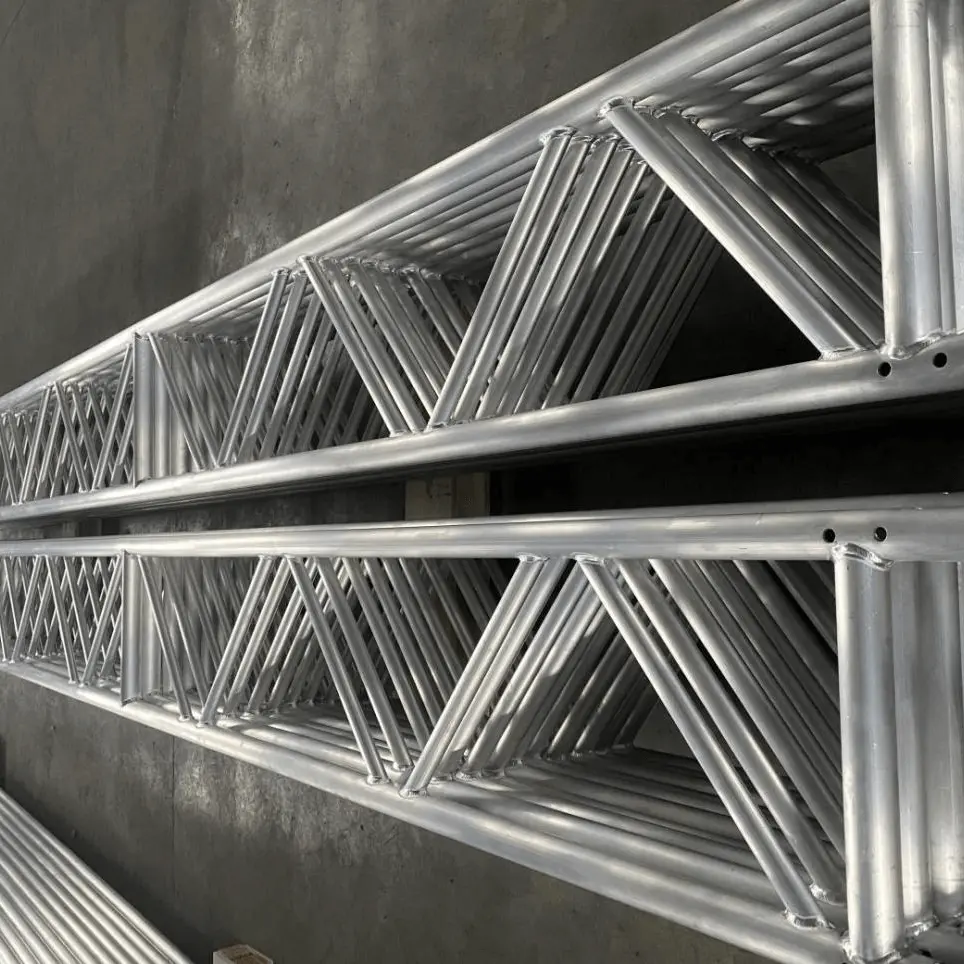
Our factories leverage intelligent ERP systems to manage production cycles efficiently. This ensures that custom orders for complex ringlock components or light structural aluminum beams maintain consistency across batch productions. This advanced planning mitigates supply chain risks, allowing us to keep lead times stable even when raw material costs fluctuate.