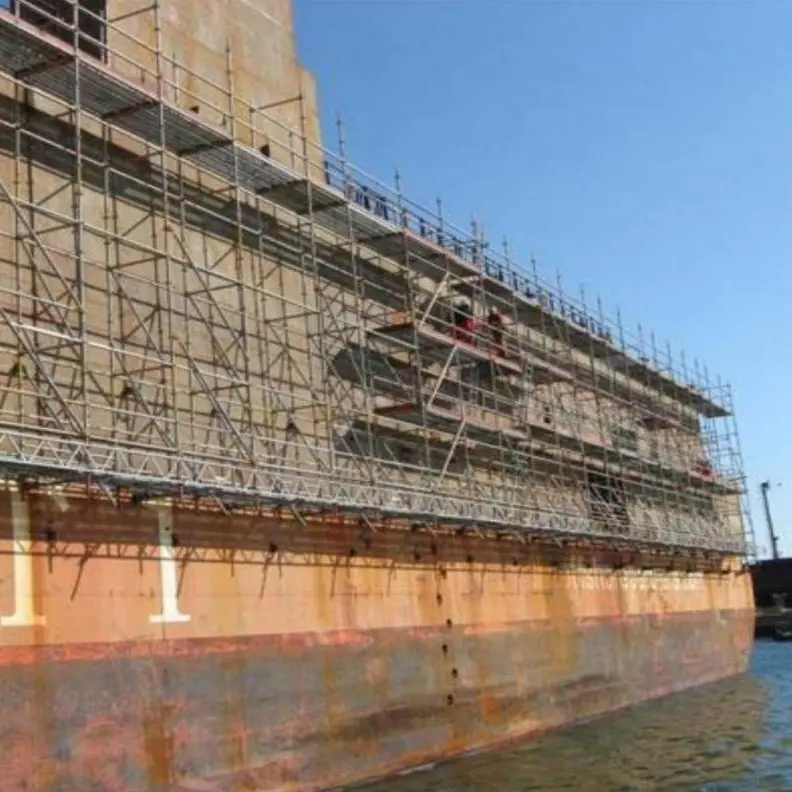
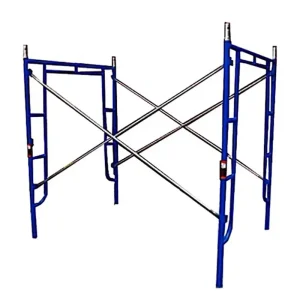
Engineered for extreme performance and strict regulatory compliance across global commercial and industrial sites.
In modern structural engineering, scaffolding is not merely a temporary structural accessory; it is a critical, life-supporting system that bears enormous static and dynamic forces in harsh environmental conditions. With global mega-projects expanding rapidly across infrastructure, high-rise urban centers, and marine industrial sectors, the demand for highly reliable, legally-compliant OEM/ODM manufacturing partners has reached an unprecedented peak.
Navigating regional scaffold regulations is one of the most complex tasks facing construction procurement directors, structural engineers, and compliance officers. Structural failure on-site results not only in disastrous delays but also in severe legal and regulatory liabilities. This is why manufacturers like Tianchang AJ Metal Products Technology Co., Ltd. (AJ Scaffolding Manufacturer) prioritize strict alignment with international quality standards. Undergoing strict third-party mechanical audits and raw material testing is foundational to ensuring that every ringlock node, frame weldment, and shoring prop can survive peak operating stresses.
| Regulatory Standard | Geographical Jurisdiction | Primary Technical Requirements | AJ OEM Compliance Benchmark |
|---|---|---|---|
| OSHA 1926 Subpart L | North America (USA) | 4x safety factor on ultimate load; guardrail heights, plank deflections, and stable base plates. | Tested structural components certified to meet or exceed 4:1 safety factor under load fatigue protocols. |
| BS EN 12810 / 12811 | Europe / International | Modular ringlock certification, standard tube thickness, structural steel grade testing, and corrosion resistance. | CE & TUV aligned production paths with hot-dip galvanized coating mass > 85 microns. |
| AS/NZS 1576 Series | Australia / New Zealand | Comprehensive drop-forged coupler slip resistance, testing for dynamic wind loadings, and component stamping traceability. | Fully traceable raw materials certified to Q345B steel grades, conforming to AUS/NZ load matrices. |
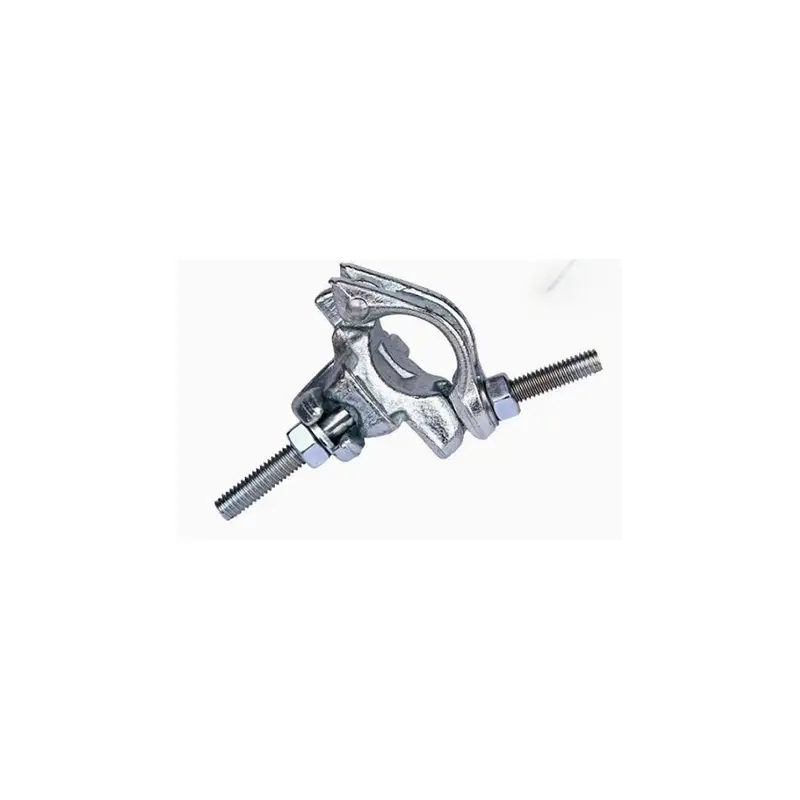
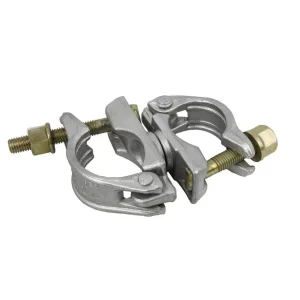
| EN 74-1 Class A / B | Global Coupler Standard | Frictional slip resistance limits, minimum torque thresholds, and ultimate tensile strength margins. | Drop-forged couplers certified with precise dimensional control and high-yield structural integrity. |
The integrity of scaffolding relies directly on the properties of the steel, the precision of the manufacturing, and the corrosion prevention systems used. As a premier OEM factory, we utilize Q345B carbon steel for our primary structural components. This steel grade offers a high yield strength of 345 MPa and exceptional weldability compared to standard Q235 steel.
To protect against environmental factors such as marine humidity and industrial atmospheres, components undergo hot-dip galvanization (HDG). Our state-of-the-art galvanizing facilities apply an average coating thickness of 85 microns, conforming to EN ISO 1461 standards. This provides sacrificial cathodic protection that prevents subsurface steel oxidation for up to 30 years in typical outdoor conditions.
As global logistics evolve, industrial contractors are increasingly shifting from standard off-the-shelf scaffolding to highly customized, OEM-specified solutions. This allows construction companies to optimize load capacities, design modular structures for quick erection, and integrate safety features that lower overall labor and liability costs.
AJ Metal Products Technology Co., Ltd. addresses this demand by providing high-capacity production lines that output custom engineering configurations. By operating out of our specialized 12,000 m² factory base, we control the entire lifecycle of production—from raw steel chemical analysis to hot-dip galvanization and structural load testing. This integration is crucial for global EPC (Engineering, Procurement, and Construction) companies that require transparent supply chains and consistent product quality.
We deliver structural systems designed to meet demanding architectural, industrial, and infrastructure requirements.
How AJ Metal is integrating advanced technology and materials science into scaffolding production.
Integrating micro-alloyed steel grades that offer higher tensile strength at lower overall weights. This reduces worker fatigue during assembly without compromising structural capacity.
Deploying automated, multi-axis welding robots equipped with real-time laser tracking. This ensures consistent penetration and weld bead quality on every structural ringlock rosette.
Implementing unique QR codes laser-etched onto scaffolding components. This gives site managers instant access to raw material test certificates and quality reports via mobile devices.
Get authoritative answers to critical compliance, mechanical, and factory auditing questions.
Q345B steel is a high-strength, low-alloy carbon steel with a minimum yield strength of 345 MPa, which is roughly 46% higher than Q235 steel (235 MPa). In heavy-duty shoring and modular systems, using Q345B allows standard verticals and standards to bear significantly higher axial loads. This allows engineers to design scaffolding structures with fewer components, reducing overall dead load, transport costs, and installation time.
Every batch of steel arriving at our 12,000㎡ modern manufacturing center must include a Mill Test Certificate (MTC) showing the exact chemical composition (carbon equivalent, manganese, phosphorus, sulfur) and mechanical properties. Additionally, we conduct random in-house spectrometer analyses and tensile tests on specimens before feeding them into our tube mills. This ensures raw material quality meets our strict B2B specifications.
Electro-galvanization yields a thin zinc coating (typically 5-15 microns) that easily scratches off during transport and erection, exposing the raw steel to moisture. Our hot-dip galvanizing process immerses cleaned steel in molten zinc, creating a series of zinc-iron alloy layers topped with a pure zinc layer. This results in a durable, metallurgically bonded coating exceeding 85 microns in thickness. This coating resists physical abrasion and provides corrosion protection in aggressive coastal and industrial environments.
Yes. Our engineering division works with structural drawings to design custom couplers, bespoke brackets, and customized tube configurations. By using Finite Element Analysis (FEA) to verify load performance, we ensure custom fabrications meet safety standards before production begins.
We use automated welding tables and high-purity CO2 shielding gas to prevent porosity in the weld bead. Welds undergo regular visual inspections and destructive testing, including macroscopic etching and load-testing on specialized hydraulic presses. This confirms the weld area is stronger than the parent metal tube.
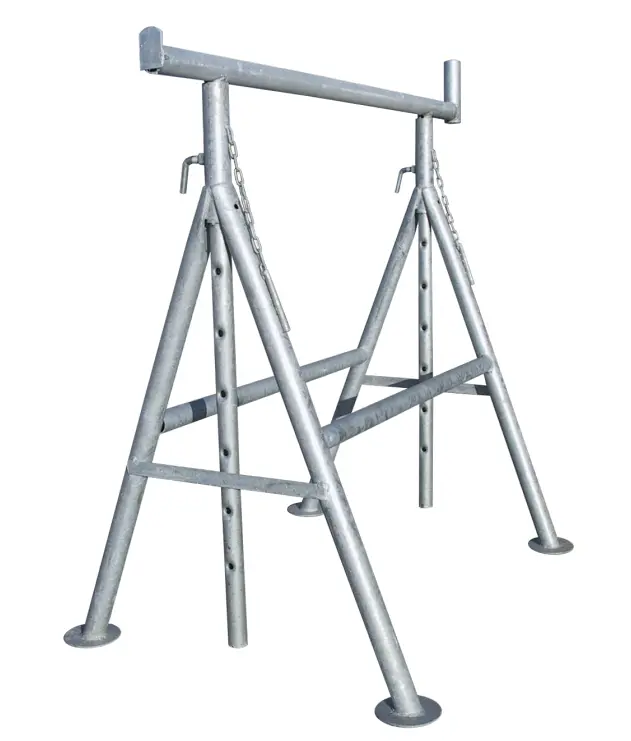
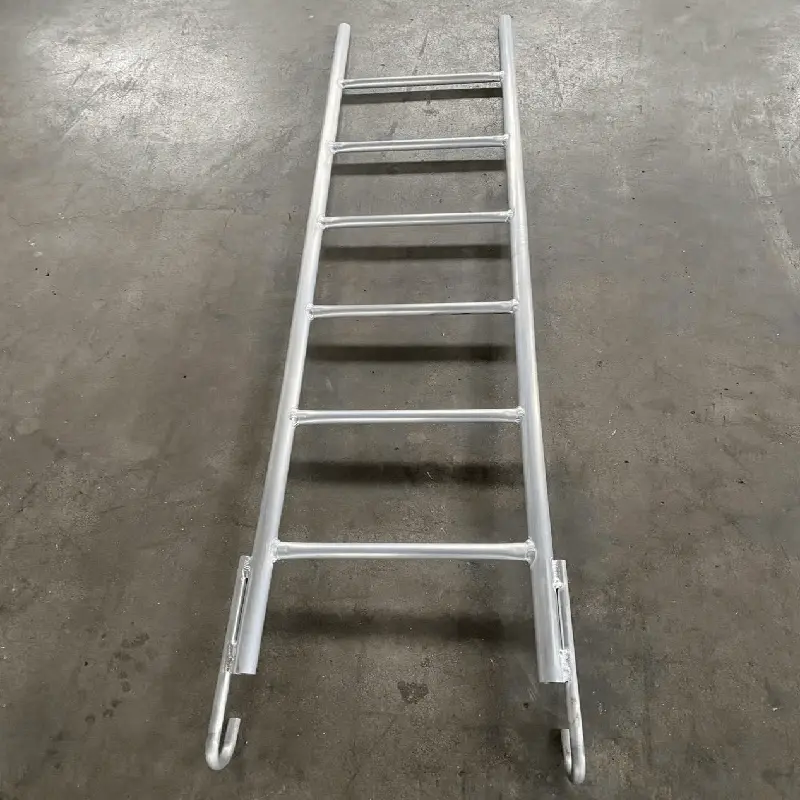
Crucial elements designed to secure platforms, support concrete forms, and provide reliable site access.
Technical briefings, market insights, and guides to sourcing high-quality scaffolding systems globally.
Explore modular system design, load capacities, and quick installation protocols. Read why EN12810 certified, hot-dip galvanized ringlock is the standard for offshore oil and gas plants.
An evaluation of structural steel market trends, hot-dip galvanization premiums, and volume-based procurement strategies for international infrastructure works.
An analysis of regional demand for Kwikstage modular systems in Australia and the UK, focusing on compliance requirements and fast-erect configurations.
Connect with our technical engineering division today. We supply certified scaffolding systems to client specifications worldwide.
Contact Our Technical Team AJ Metal