High-durability structural components built for heavy industrial construction, nuclear containment facilities, and global infrastructure projects.
In contemporary high-scale civil engineering, infrastructure building, and industrial facility maintenance, construction sites are no longer simple open-air frameworks. Rising regulatory stringency, strict environmental protection acts, and the critical need to preserve worker productivity under adverse meteorological conditions have elevated scaffold tarps from secondary accessories to critical site safety components.
Professional industrial operations, specifically chemical plants, nuclear power stations, shipyards, and high-rise commercial structures require highly engineered scaffold tarps to seal off work zones. These containment systems prevent the migration of hazardous particulate matter, protect structural coatings during sensitive drying phases, and shield crew members from high-velocity wind, torrential rain, and extreme UV rays. As a leading manufacturer of specialized scaffolding systems, we present this comprehensive whitepaper outlining the materials science, engineering metrics, regulatory landscape, and global supply configurations governing wholesale scaffold tarps today.
Across the globe, industrial construction faces a dual challenge: maximizing operational uptime while achieving absolute compliance with local environmental containment laws. This is particularly evident in sandblasting, paint spraying, rust remediation, and asbestos abatement.
Abrasive Blasting and Paint Containment: When executing corrosion protection on steel structures (such as bridge frameworks or petrochemical pipelines), lead-based paint removal generates highly toxic micro-particles. Unprotected scaffolding allows wind currents to carry these pollutants into adjacent ecosystems or residential areas. Heavy-duty coated PVC and high-density polyethylene (HDPE) scaffold tarps are used to create negative pressure containment systems. By pairing tight-woven, low-permeability tarps with industrial vacuum dust collectors, contractors ensure 100% containment of airborne contaminants.
Climate Control and Project Schedule Preservation: In northern latitudes and humid equatorial climates, concrete curing and coating applications are heavily dependent on relative humidity and ambient temperature. Our premium scaffold tarps work in tandem with temporary heating and dehumidification units to sustain micro-climates within the scaffold wrap. This ensures paint and concrete cure to their designed compressive and structural strengths, preventing project delays that cost developers millions of dollars per day.
The global market for scaffold containment systems is experiencing a strong compound annual growth rate (CAGR), driven by the rapid expansion of petrochemical infrastructure in North America and the Middle East, along with extensive civil renovations in Europe and Asia-Pacific.
Industrial contractors are moving away from disposable, single-use thin films toward highly durable, reusable, and recyclable scaffold tarps. Economically, while a premium PVC-coated tarp represents a higher initial capital expenditure compared to cheap PE sheets, its lifespan is five to ten times longer, offering a far better total cost of ownership (TCO). Furthermore, global ESG (Environmental, Social, and Governance) targets are pushing developers to seek manufacturers that use recycled polymers and low-VOC emissions coatings.
Strict flame retardant compliance is required. The material must withstand high heat, chemical exposure, and constant mechanical friction without tearing or releasing toxic halogens under fire conditions.
High wind permeability or extreme tensile strength is needed. Coastal environments introduce high-velocity salt winds, requiring robust eyelets and reinforcement bands to prevent tearing.
Acoustic insulation properties are increasingly requested to minimize construction noise pollution in densely populated metropolitan areas, facilitating 24/7 project progress.
From a chemical and manufacturing perspective, the performance of a scaffold tarp relies on three core variables: polymer base composition, reinforcement structure, and functional additives.
Polyethylene (PE) Tarps: Typically constructed from a woven High-Density Polyethylene (HDPE) scrim laminated on both sides with Low-Density Polyethylene (LDPE) coatings. These are highly cost-effective, lightweight, and flexible at extremely low temperatures. They are the industry standard for general commercial projects.
Polyvinyl Chloride (PVC) Tarps: Formulated by coating or laminating a high-tenacity polyester scrim with fluid PVC plastisol. PVC tarps are significantly heavier, offer exceptional puncture and abrasion resistance, are inherently more flame retardant, and possess a long service life of up to 5 years under harsh conditions.
| Performance Parameter | Standard PE Scaffold Tarp | Heavy-Duty Coated PVC Tarp | Testing Standards Reference |
|---|---|---|---|
| Base Fabric Weight | 150 GSM - 250 GSM | 400 GSM - 650 GSM | ASTM D3776 / ISO 3801 |
| Tensile Strength (Warp/Weft) | 800 / 750 N/5cm | 2200 / 2000 N/5cm | ASTM D5034 (Grab Test) |
| Tear Resistance | 120 N | 350 N | ASTM D2261 (Tongue Tear) |
| UV Stabilization Longevity | 12 - 24 Months (Region Dependent) | 36 - 60 Months | ASTM G154 (Accelerated Weathering) |
| Flame Retardancy | Requires FR Additives (Option) | Inherently FR / Certified | NFPA 701, EN 13501-1 Class B |
| Eyelet Pull-out Strength | Approx. 350 N | Over 950 N (Welded Eyelets) | ASTM D751 Sec. 42 |
Different global regions enforce distinct testing protocols for temporary construction enclosures. Safe project operations demand that wholesale suppliers customize their formulations to meet these specific local regulatory systems:
In the United States, OSHA (Occupational Safety and Health Administration) Regulation 1926.451 establishes guidelines for protecting workers from falling tools and debris. Scaffold tarps used as debris barriers must satisfy the ANSI A10.9 standard. Furthermore, many state building codes require all containment materials on high-rise structures to be flame retardant, passing the NFPA 701 (Method 1 & 2) test.
In the European market, scaffold sheeting and enclosures are governed by EN 12811-1 (Scaffolding Performance Requirements) and BS 7955 (Specification for scaffolding containment and weathering sheets). Flame retardancy must comply with EN 13501-1 (Class B-s1, d0) or British Standard BS 5867 Part 2 Type B. Manufacturers must supply complete compliance documentation to prevent onsite liability audits.
In Oceania, containment products are subject to high UV radiation index conditions. Testing under AS/NZS 1576 is critical. The materials require specialized HALS (Hindered Amine Light Stabilizers) additives in the LDPE/PVC matrix to prevent polymer degradation and loss of tensile strength within six months of intense sun exposure.
To demonstrate the versatile utility of advanced containment systems, consider their implementation in these challenging structural engineering scenarios:
Subjected to constant high winds and corrosive saltwater spray. Tarps must incorporate reinforced wind-permeable mesh bands (wind-flaps) and heavy-duty brass eyelets to relieve structural pressure on the scaffolding system.
Demands non-halogenated flame-retardant materials. If a fire occurs, the tarps must not generate toxic acid smoke. Additionally, static dissipative coatings are applied to prevent spark risks in proximity to control electronics.
Requires high light-translucency (above 70%) to ensure that restoration artisans can see colors accurately without relying entirely on artificial yellow halogen lighting inside the scaffold envelope.
As building envelope technologies advance, the future of scaffold containment focuses on smart, sustainable materials:
Focused on critical civil infrastructure, petrochemical complexes, chemical processing lines, and modern architectural developments.
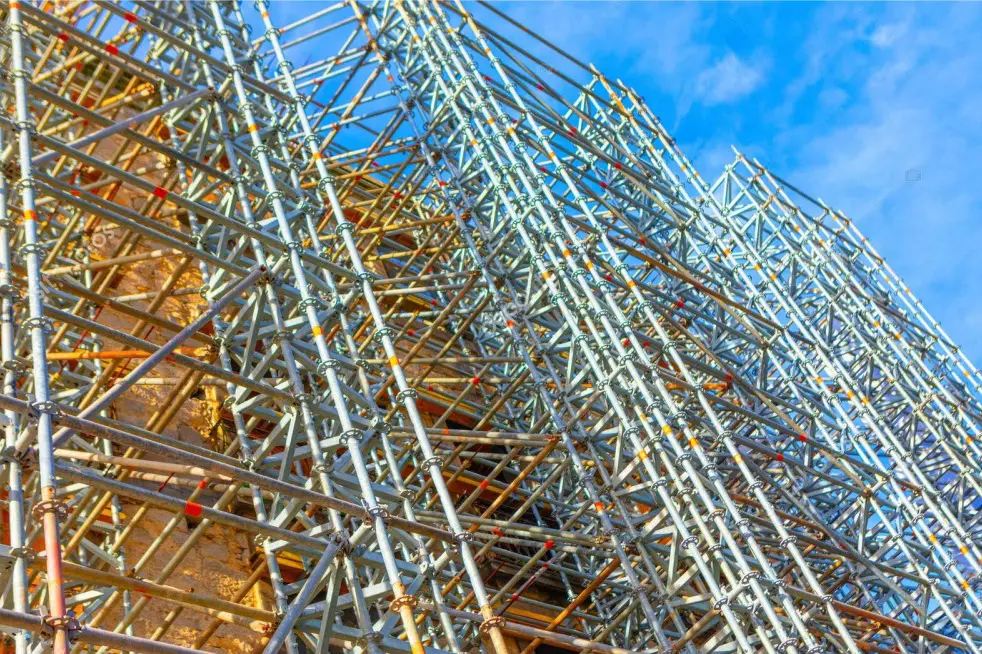
High-strength vertical safety netting and containment barriers designed to prevent tool drop accidents and protect work zones from high-altitude wind gusts.
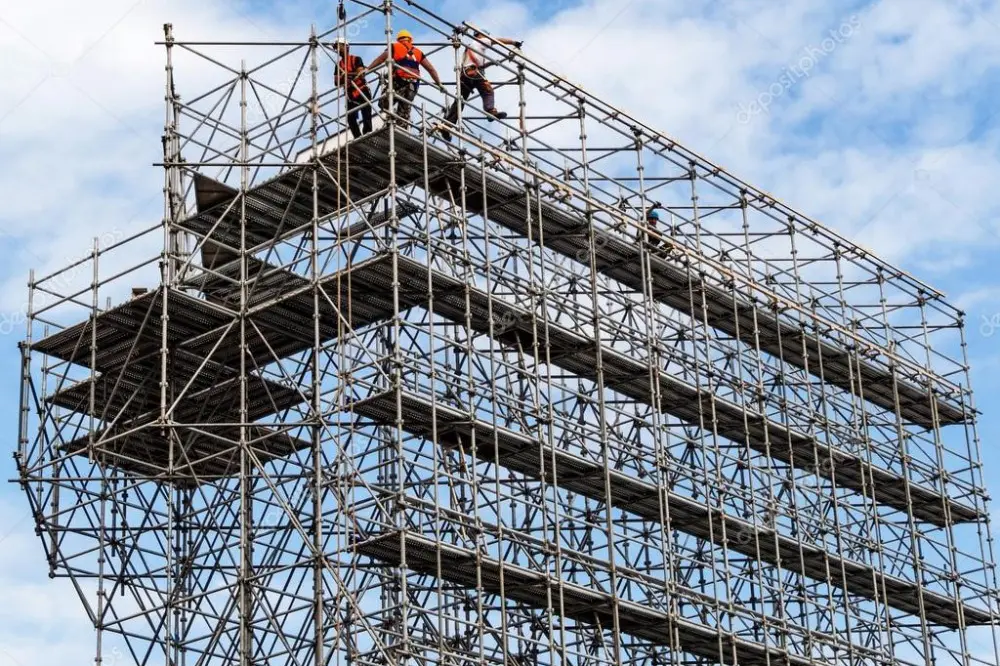
Flame-retardant, chemical-resistant containment sheeting that meets ExxonMobil, Shell, and BASF safety requirements for maintenance shutdowns.

Highly sealed negative-pressure environments designed to isolate abrasive blasting operations and capture hazardous old paint coatings.
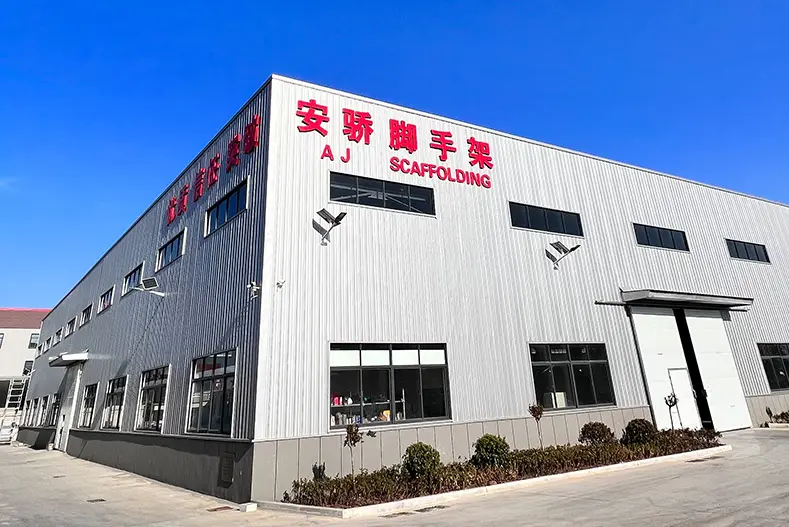
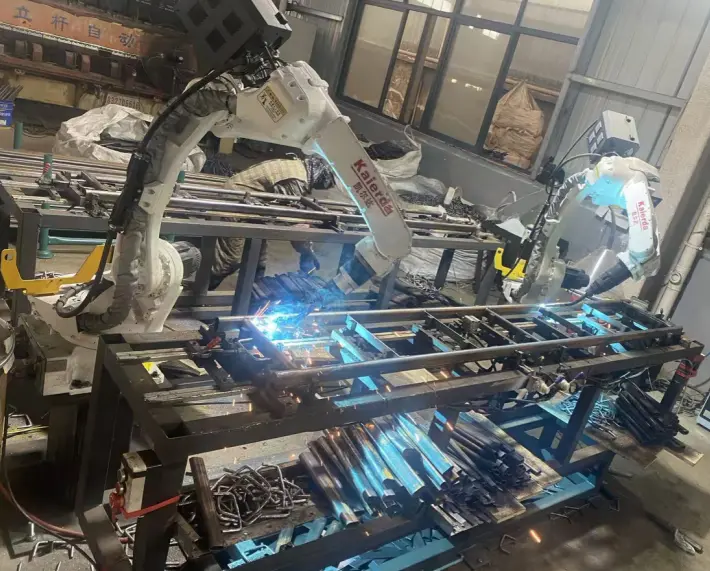
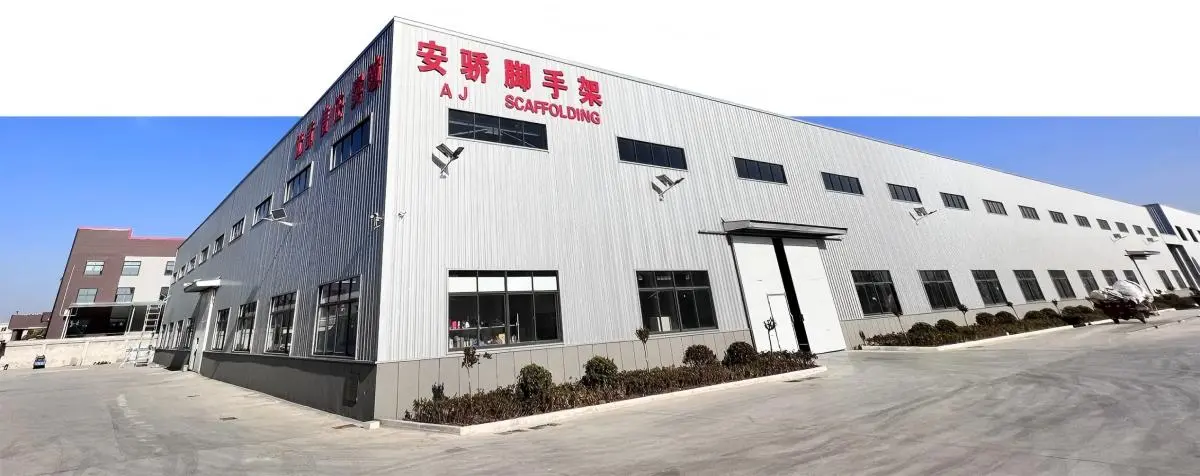
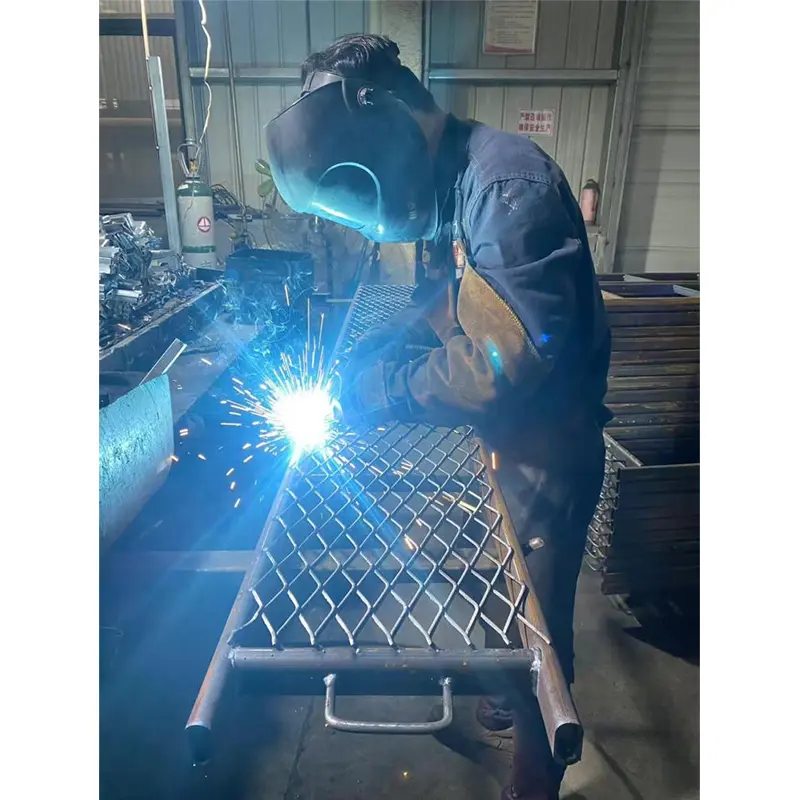
Tianchang AJ Metal Products Technology Co., Ltd. (AJ Scaffolding Manufacturer) has been a reliable manufacturer of scaffolding components and systems since 2013. Serving nuclear power plants, chemical plants, railway developments, and shipyards, we prioritize safety and durability in all our products.
Our products undergo testing under a strict Quality Management System (QMS), and our independent material R&D facility ensures our high-tensile components perform reliably under demanding field conditions.
Technical answers to key questions about sourcing, installing, and maintaining heavy-duty industrial scaffold tarps.
Stay updated with the latest technological developments, pricing trends, and market analyses in the global scaffolding industry.
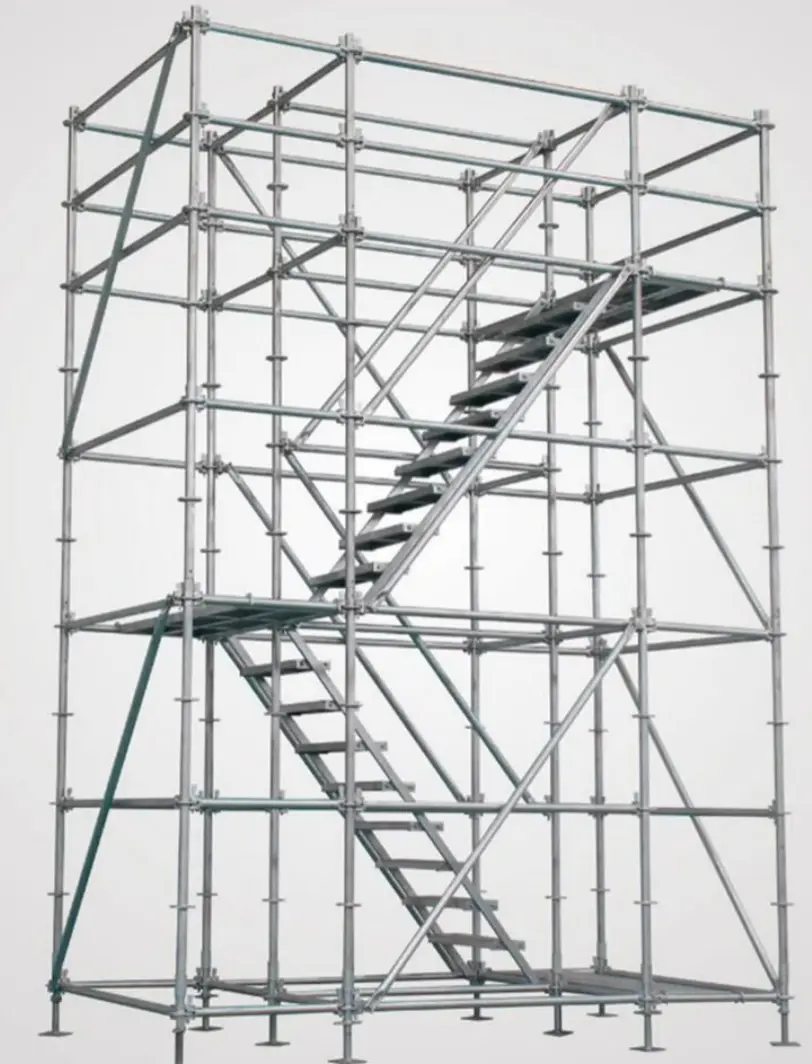
Explore modular system scaffolding with high load capacities and fast installation. Learn about EN 12810 certification standards and hot-dip galvanization.
An breakdown of system costs (Ringlock, Cuplock, H-Frame), manufacturing cost drivers, raw material steel trends, and global logistics optimization.
A detailed analysis of Kwikstage modular scaffolding systems, focusing on regional growth patterns, ease of installation, and utility across Australia and Europe.
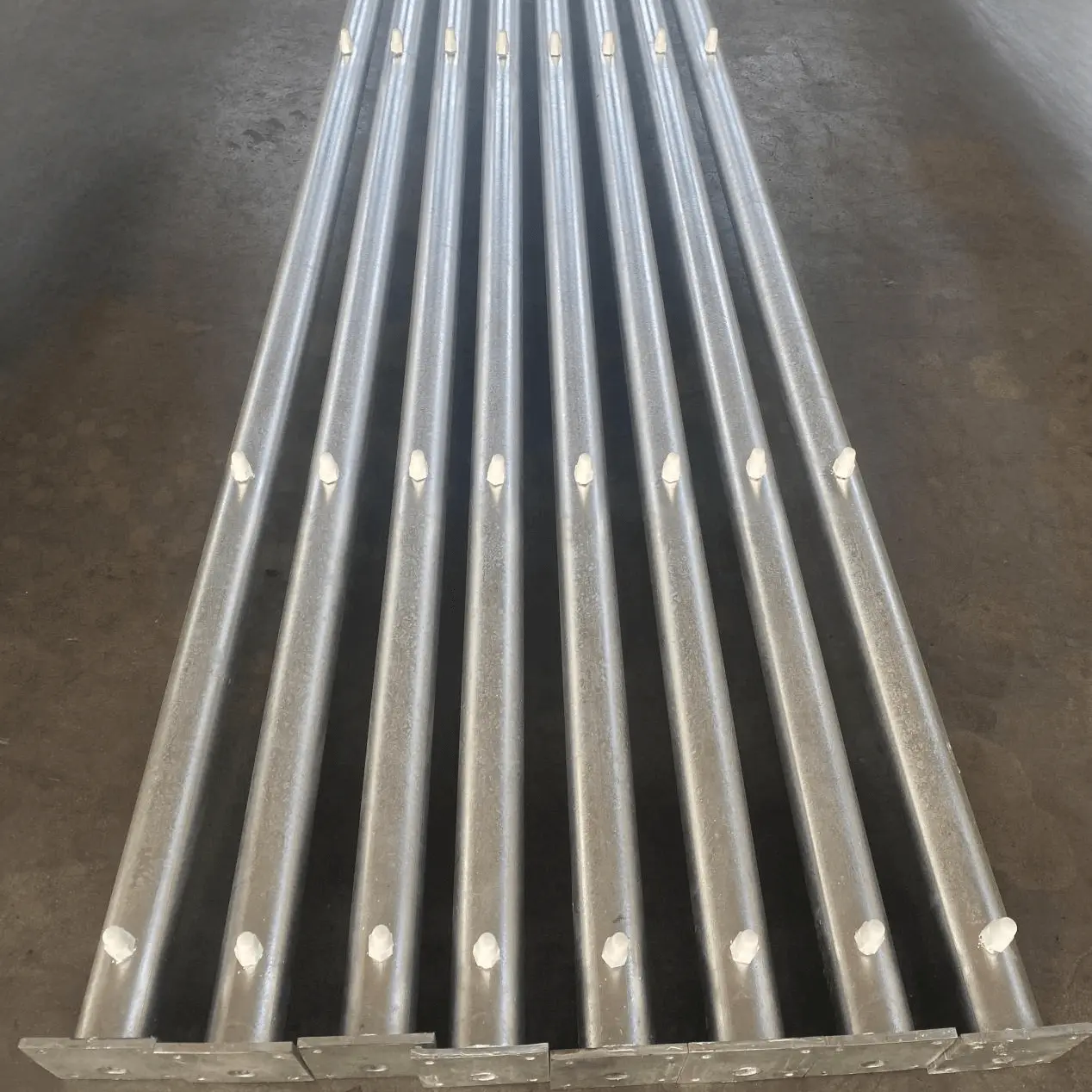
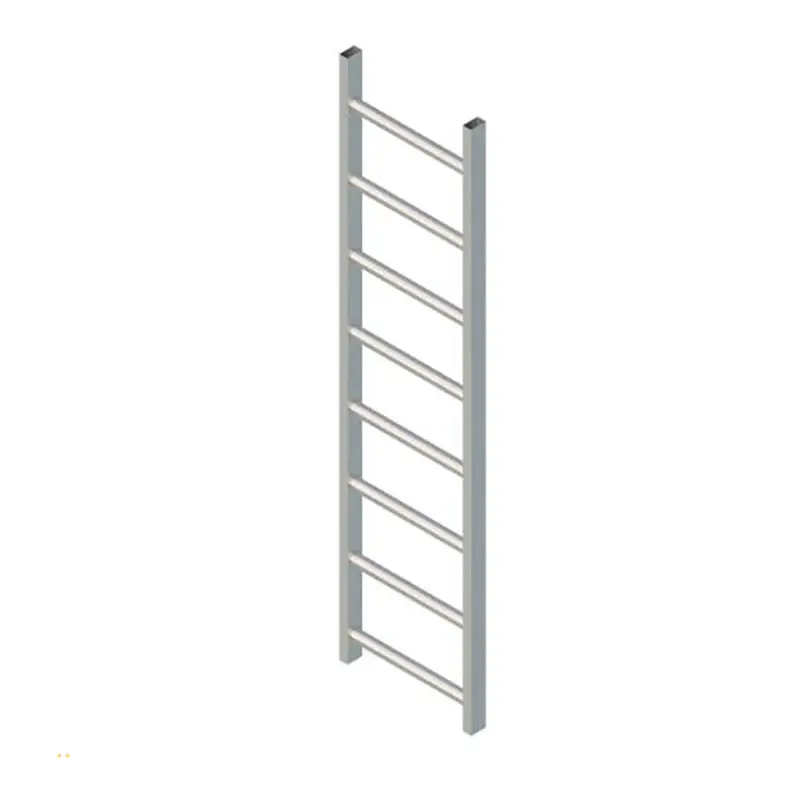
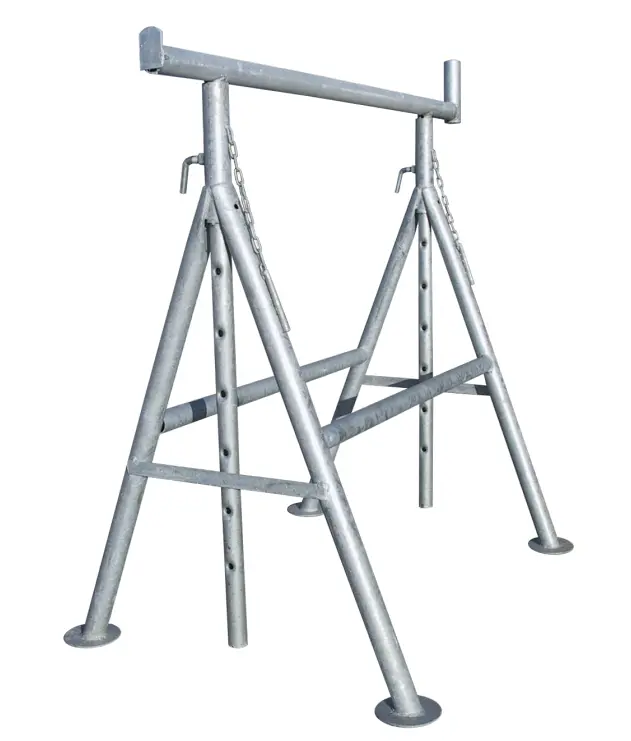
Explore our range of heavy-duty scaffolding components, all manufactured to international safety standards at our 12,000㎡ facility.
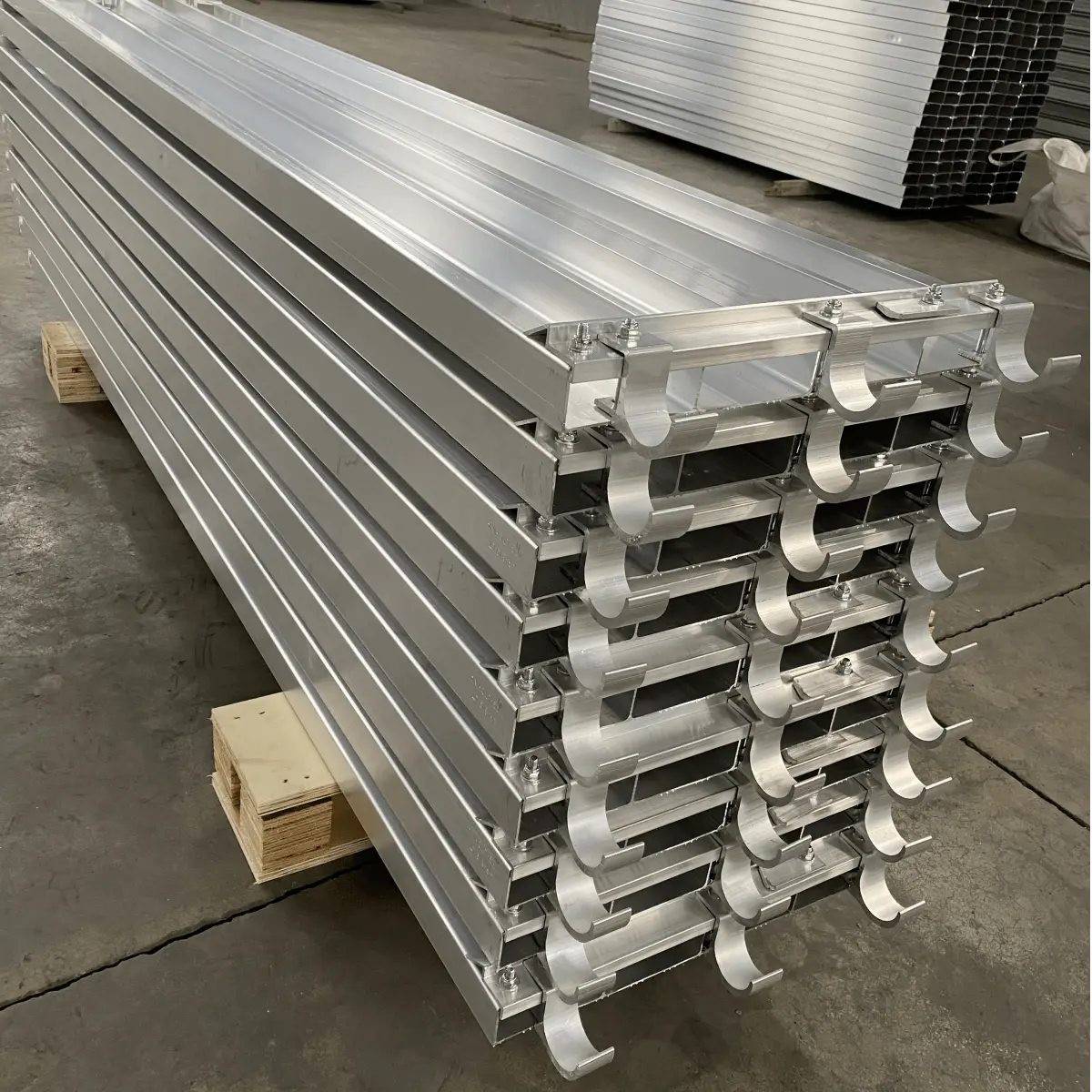
 AJ Metal