Engineered to meet international EN 12810/AS1576 structural standards, specifically treated with high-micron zinc coatings to combat the severe coastal corrosion of Central Africa's oil, gas, and infrastructure hubs.
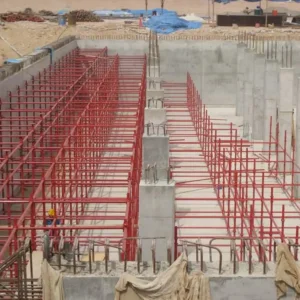
Highly durable design with node points that handle intensive vertical load stress, perfect for heavy industrial and chemical facilities.
Technical Details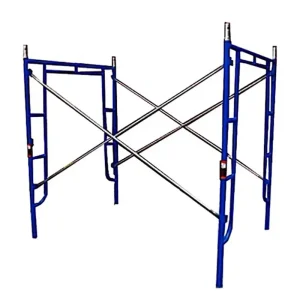
Easy and swift assembly configuration engineered for rapid outer-wall masonry, painting, and structural maintenance.
Technical Details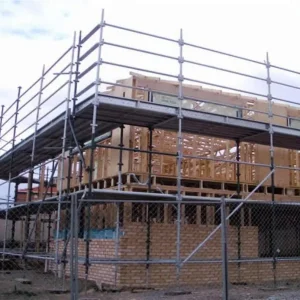
A flexible modular system prioritizing security, featuring wedge-locking mechanisms suitable for complex refinery contours.
Technical Details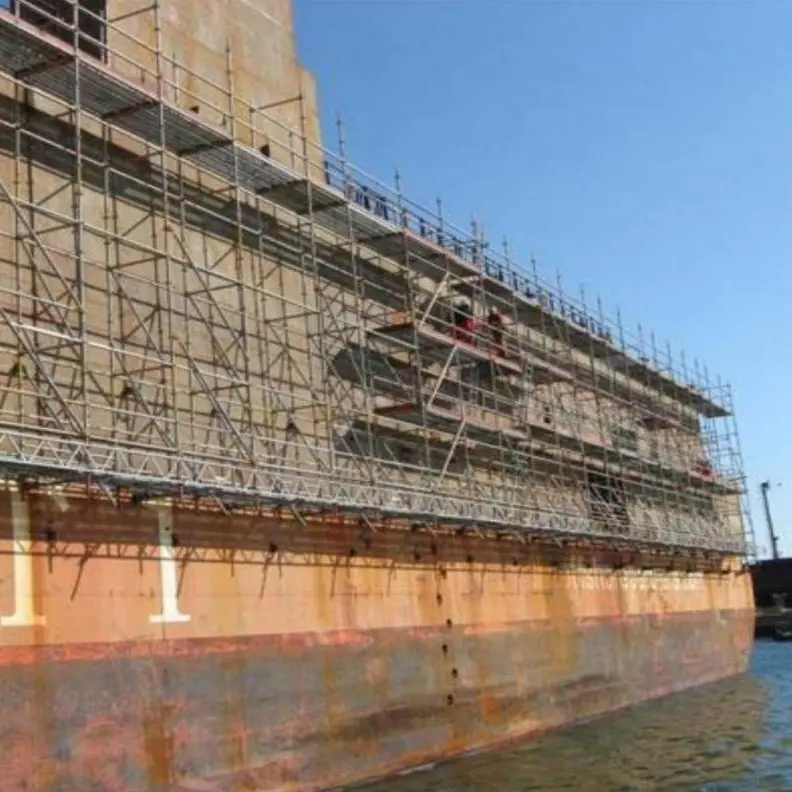
The ultimate choice for structural longevity, offering 360-degree connectivity and high resistance to offshore moisture.
Technical DetailsEquatorial Guinea, with its strategic economic strongholds in Bioko Island (Malabo) and the mainland region of Río Muni (Bata), is an economy anchored in deep-water petrochemical extraction, LNG refineries, and expanding civil transport infrastructure. These heavy industrial sectors require a strict approach to structural safety and access equipment. Procurement operations face unique geographical challenges: high relative humidity levels reaching up to 90% year-round, intensive atmospheric salinity from the Gulf of Guinea, and tropical rainfall cycles.
In this marine-heavy infrastructure landscape, standard structural steel components degrade rapidly. Using non-galvanized or sub-par steel scaffolding leads to catastrophic oxidation, micro-structural failures, and compromised load-bearing capacities. Consequently, regional policies and international contractors operating within the Punta Europa oil fields or Bata port expansions demand compliance with EN 12810-1 and ANSI/ASSE A10.8 guidelines. Our high-micron Hot-Dip Galvanized (HDG) scaffolding components are engineered specifically to overcome these aggressive climate factors, ensuring structural integrity for cycles spanning over 15 years in coastal operations.
At AJ Metal Products, our manufacturing facility relies on advanced metallurgy principles to ensure high structural reliability. We prioritize Q345B carbon steel for vertical load-bearing standards (posts) and Q235B for horizontal ledgers and bracing. Q345B steel possesses a yield strength of 345 MPa, offering a superior strength-to-weight ratio compared to lower-grade steel variants. This reduces overall self-weight of the scaffolding tower while preserving high load capacity limits, allowing safer, taller assemblies for Equatorial Guinea's high-rise and off-shore structures.
To resist galvanic and atmospheric corrosion in coastal West Africa, our components undergo an extensive Hot-Dip Galvanization (HDG) process. Raw steel components are acid-pickled to clear all surface impurities, fluxed, and dipped into a molten zinc bath maintained at approximately 450°C. This chemical bonding yields a metallurgical zinc-iron alloy coating thicker than 85 micrometers. Unlike standard electro-galvanization, which is thin and easily damaged, HDG offers self-healing sacrificial protection: even if scratched during transit or erection, the surrounding zinc protects the exposed steel from rust.
Our testing labs conduct regular Salt Spray Testing (ASTM B117), Weld Integrity ultrasonic testing, and ultimate load deflection tests to ensure zero-defect exports to Equatorial Guinea ports.
Every industrial project features distinct challenges. AJ Metal Products provides comprehensive technical coordination for offshore refineries, civil municipal upgrades, and bridge structural frameworks.
Designed specifically for refineries like Punta Europa. Ringlock systems featuring anti-slip steel planks and spark-resistant aluminum accessories minimize safety risks in hazardous hydrocarbon-rich areas.
High-capacity heavy-duty steel props and H-frame structures engineered to sustain thick concrete slabs during foundational pours in Malabo's expanding urban core.
Heavy-duty trestles and suspended cantilevered systems engineered to withstand lateral wind loads and high-tide wave forces during port expansions in Bata and Luba.
Navigating shipping and customs requirements to Central Africa demands deep administrative logistics expertise. Our team coordinates pre-shipment inspections (SGS, Bureau Veritas) to verify compliance with local regulations, preventing port holds at Bata and Malabo.
From initial design to transport, we offer customizable solutions to optimize container volume, reducing maritime freight costs. We bundle structural frames with lockpins, couplers, and planks to ensure complete scaffolding systems arrive organized for efficient on-site assembly.
"Our logistical network guarantees container tracking and transparent documentation, supporting rapid timelines for regional energy projects."
Discover our range of highly specialized components, safety add-ons, and customized structural supports designed to optimize site workflows and ensure worker safety.
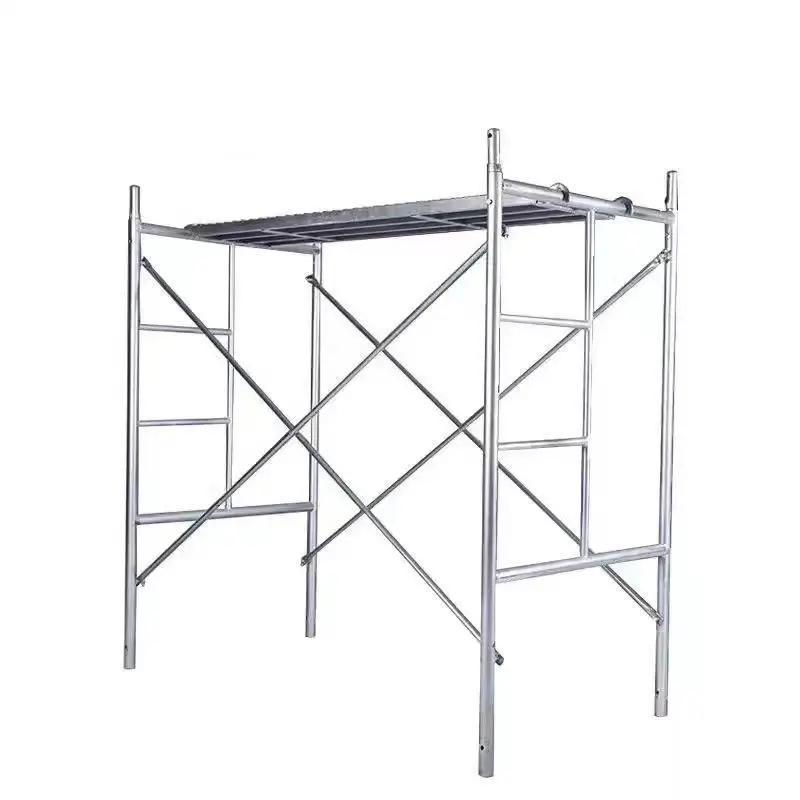
A highly reinforced structural H-frame assembly built to support heavy loads in municipal infrastructure.
Technical Details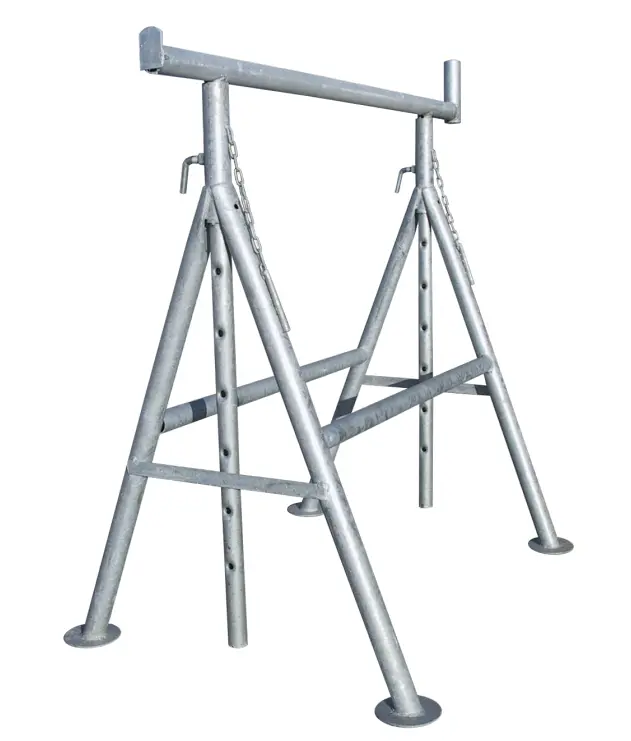
Custom-designed steel trestle configurations to provide highly stable temporary ground supports for heavy machinery.
Technical Details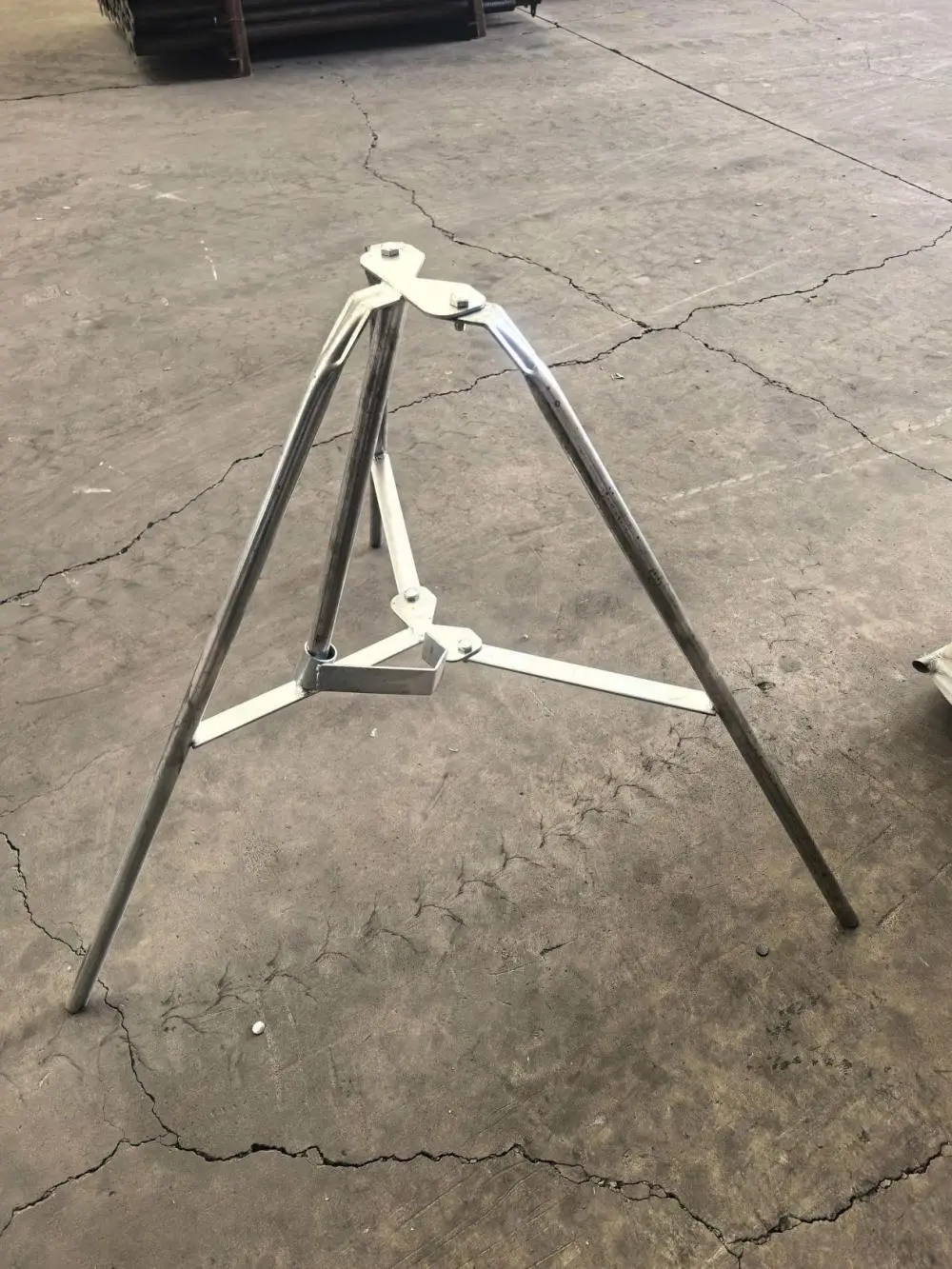
Heavy-duty adjustable prop tripods offering enhanced stability for shoring applications under formwork.
Technical Details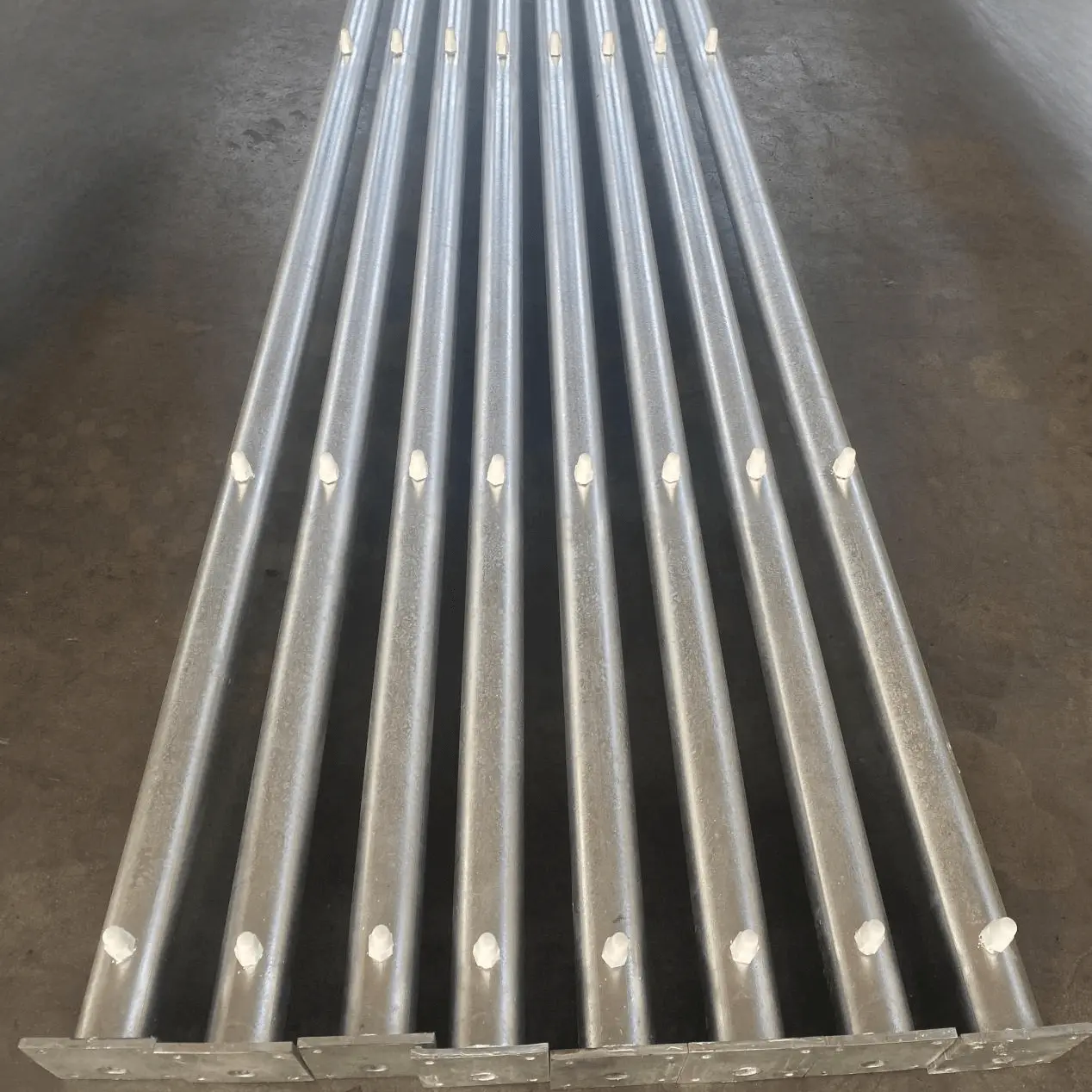
Ensures pedestrian safety around urban development zones in Malabo, providing robust overhead protection.
Technical Details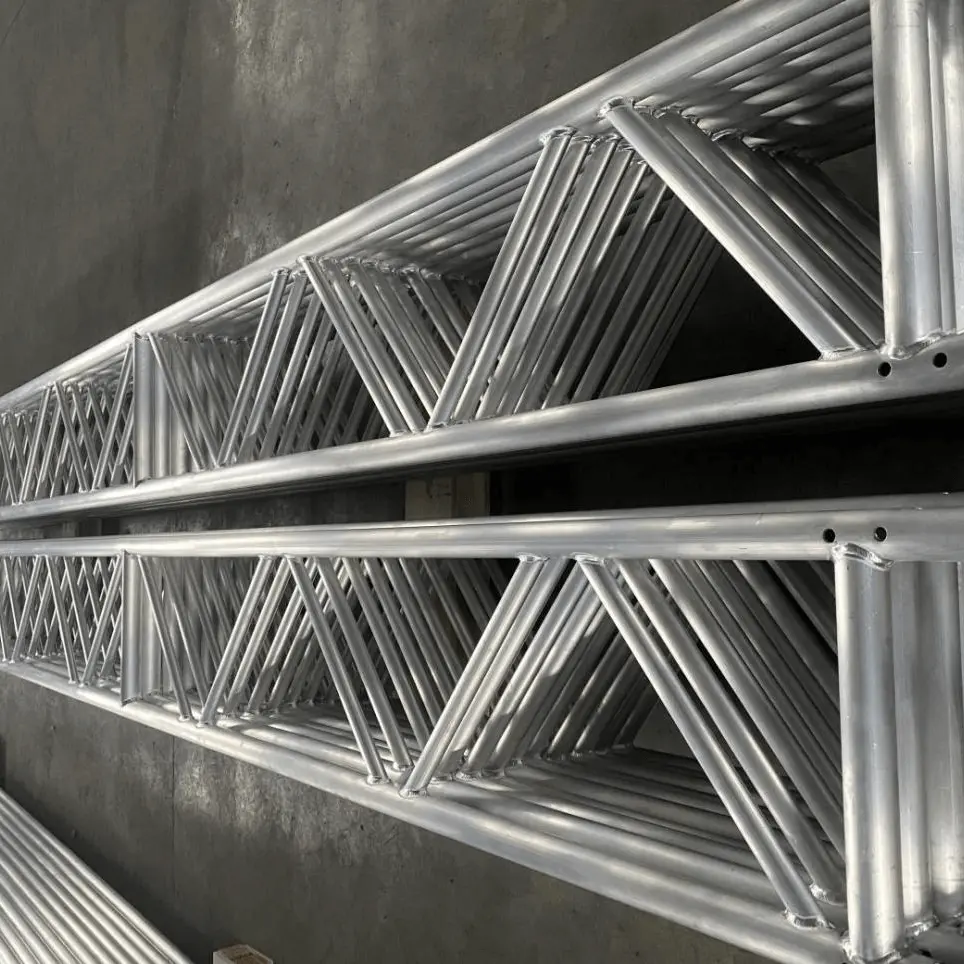
Combines structural lightness with high shear strength, reducing overhead deck assembly times and physical labor.
Technical Details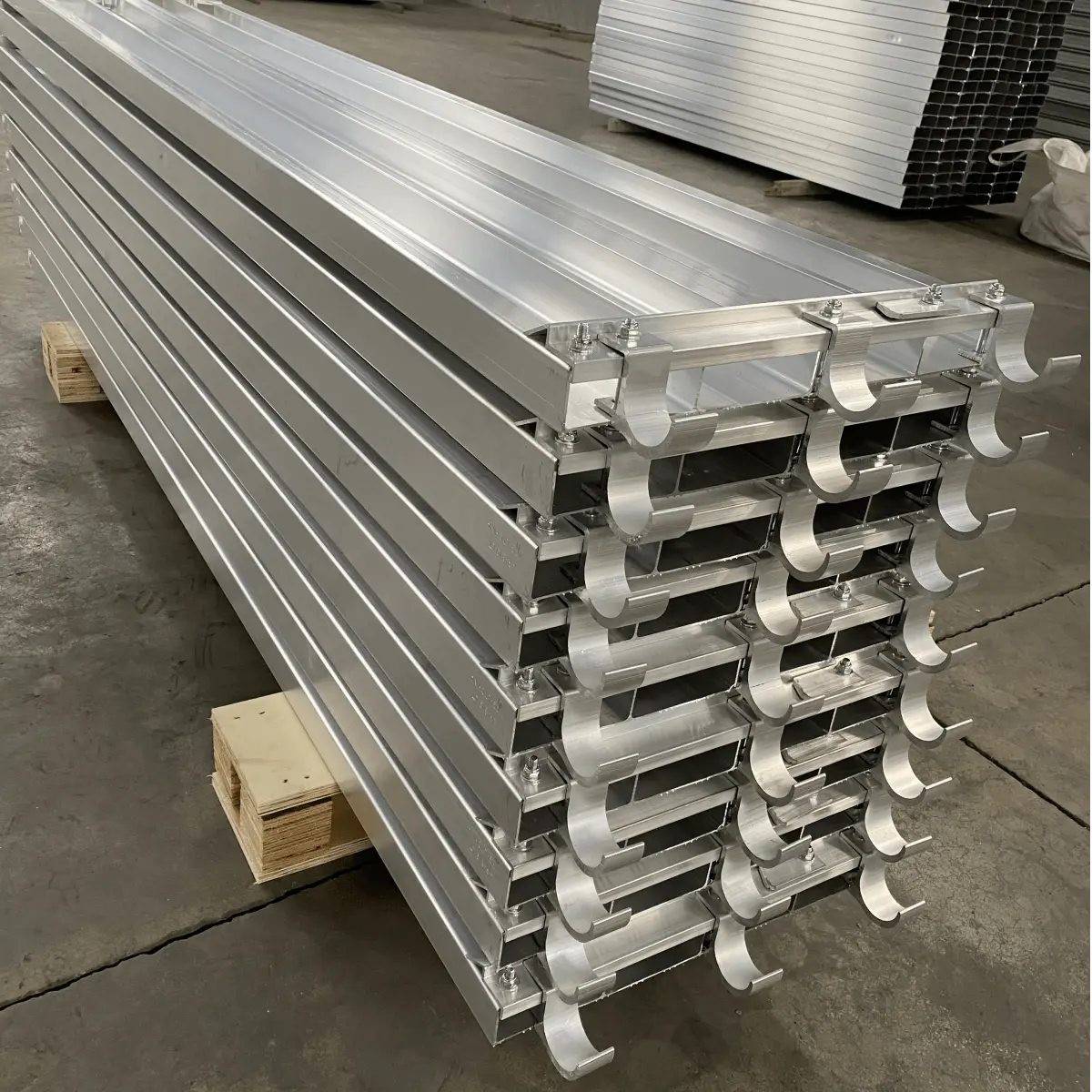
Non-slip rungs and heavy-duty safety hooks designed for fast integration onto modular scaffolding frameworks.
Technical Details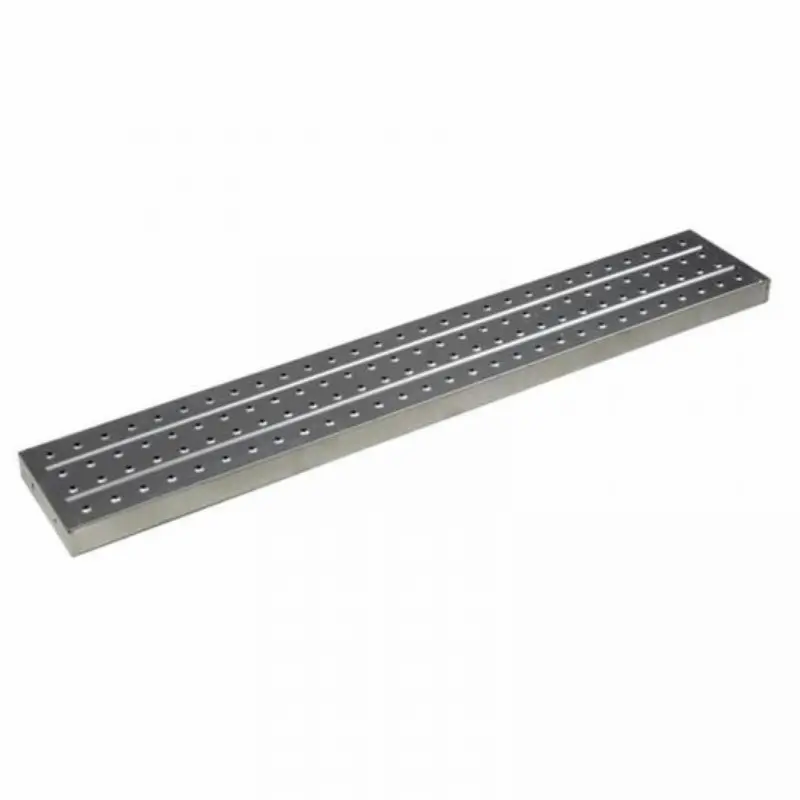
Features perforated grip holes to discharge rain and oil residues, preventing slips in maritime work environments.
Technical Details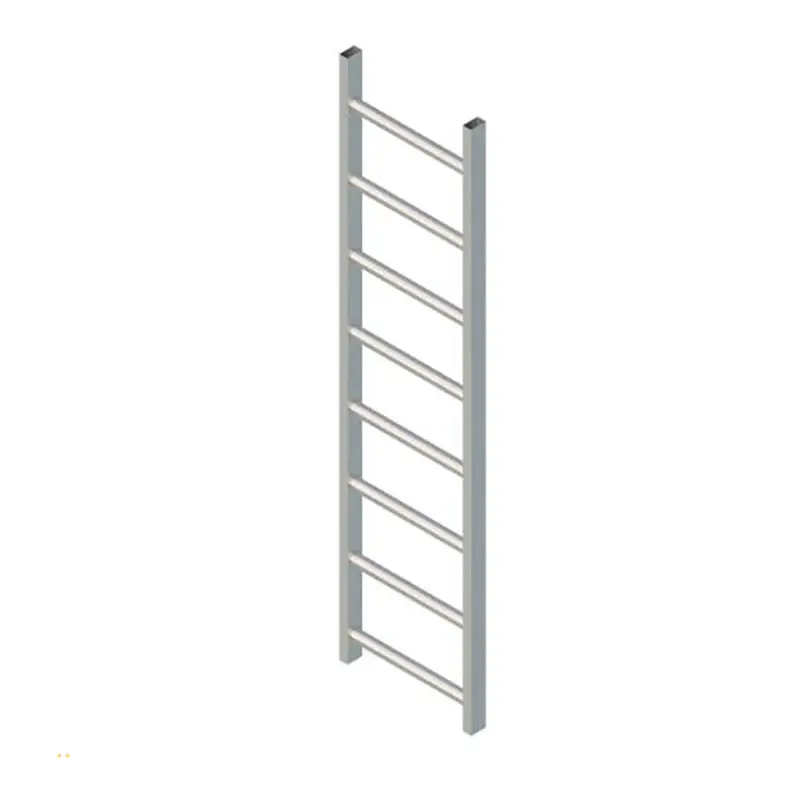
Heavy-gauge vertical access ladders equipped with secure locking hooks to guarantee reliable worker egress paths.
Technical DetailsAs the international construction industry adopts digital workflows, scaffolding is evolving. The traditional reliance on manual structural calculations is transitioning to BIM (Building Information Modeling) integrations. This change is crucial for modern industrial environments in Equatorial Guinea, where complex facility layouts restrict erection space. By importing digital versions of modular Ringlock and Cuplock scaffolding into CAD-centric BIM files, planners can execute accurate spatial clash-detection, determine exact safety load distributions, and configure material quantities down to individual couplers before shipping.
Global construction companies frequently attempt to import standard structural components without accounting for regional environmental conditions. Standard paint or thin-galvanized coatings degrade quickly in high-salinity marine environments like Luba or Malabo. Our specialized production line addresses these local operational realities by applying thick zinc coatings and using structural Q345B steel to withstand both environmental conditions and intensive physical wear.
Furthermore, structural components undergo rigorous fatigue analysis to evaluate long-term resilience. The stress point of a wedge node or a cup lock connection faces continuous wind loads and vibration from waves and heavy site operations. Through simulated stress testing involving 50,000 load-cycles, our components are validated to resist structural deformation, ensuring safety for long-term installations on both mainland and offshore locations.
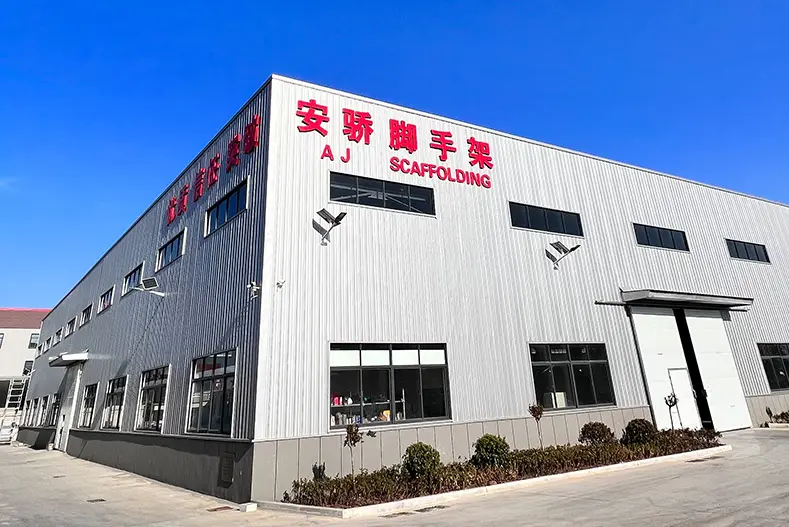
Founded in 2013, AJ Scaffolding Manufacturer initially established its reputation supporting major construction projects in China, including nuclear power plants, high-speed rail networks, marine shipyards, and heavy chemical facilities. Our dedication to safety and quality led us to become a contract manufacturer for leading international engineering brands and foreign-invested industrial enterprises operating in mainland China, such as BASF, Shell, and ExxonMobil.
Since expanding our direct export operations in 2018, we have delivered scaffolding systems globally, matching international safety standards to the requirements of developing infrastructure markets. Operating from a modern 12,000 m² manufacturing plant, our production integrates automated welding lines and advanced hot-dip galvanizing facilities to deliver consistent, certified products to project sites worldwide.
Ensuring site safety in offshore environments requires strict adherence to international testing standards and third-party validation processes.
Raw material verification, chemical analysis, and ultimate yield strength testing before production begins.
Robotic gas-shielded welding guarantees consistent weld penetration and minimizes human error.
Immersion processes ensure coating thickness exceeding 85 micrometers for durable corrosion resistance.
Provision of documentation including Certificates of Origin and Bill of Lading for swift customs clearance in Malabo and Bata.
Expert answers addressing specialized procurement, wind engineering load factors, anti-corrosive treatments, and logistics to West Africa.
Get in touch with our engineering and logistics specialists to discuss load specifications, request custom product samples, and obtain competitive factory direct pricing for Equatorial Guinea operations.
Send Inquiry Now AJ Metal